




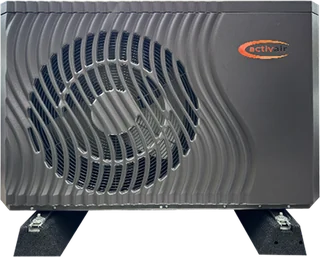
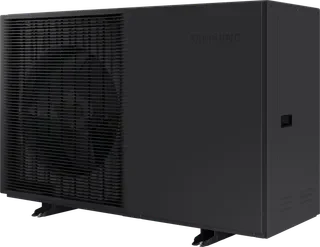



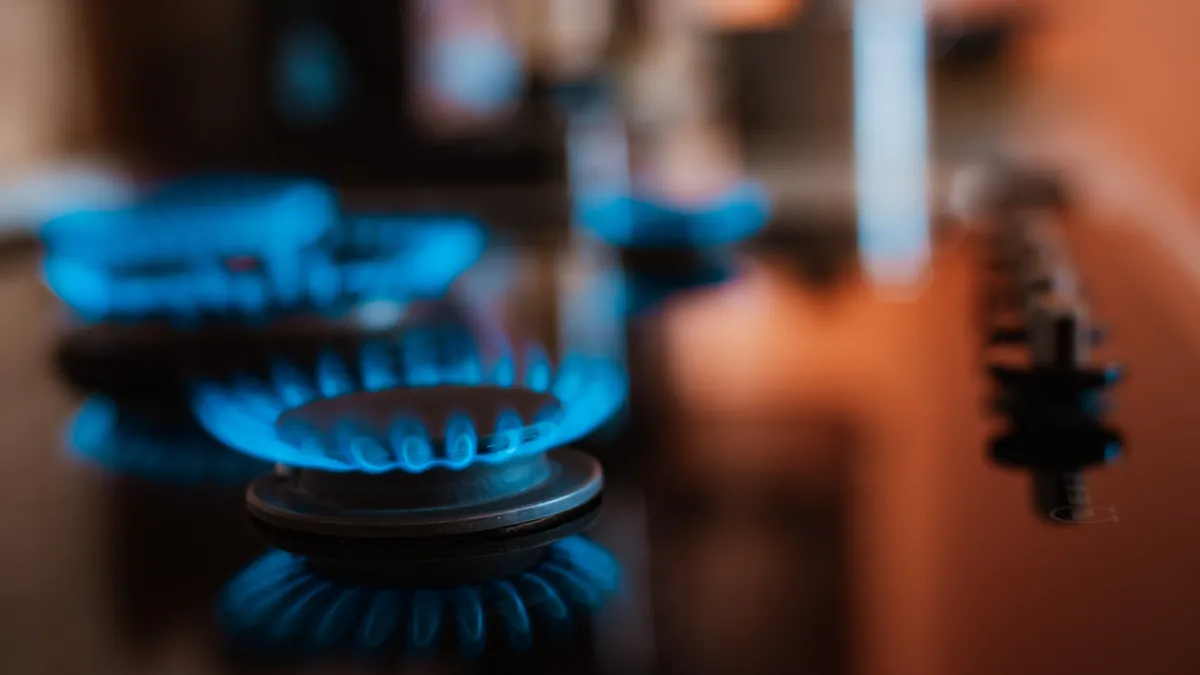





Energy regulator Ofgem confirmed on 25 November that the price cap will rise 26% from 1 January 2027, taking a typical dual-fuel bill from £1,723 to £2,166 a year. That is £443 more, and Cornwall Insight says it is the highest cap since 2023. Gas does most of the damage: the gas unit rate jumps by more than a third, while VAT-free electricity rises by about a quarter. The cause is a war in the Middle East, not anything happening in Britain, and that is the part worth thinking about if you are weighing up solar and battery storage or a heat pump.
Here is what changes on 1 January, why gas is behind it, and how to keep the next rise away from your home.
What changes on 1 January
Ofgem’s announcement sets the cap for 1 January to 31 March 2027. It limits what suppliers can charge per unit and per day on default tariffs, which around 20 million households in England, Scotland and Wales are on. Around 10 million households on fixed deals are not affected until their deal ends.
| Rate | October to December 2026 | January to March 2027 | Change |
|---|---|---|---|
| Electricity unit rate | 26.32p per kWh | 32.69p per kWh | Up 24% |
| Electricity standing charge | 54.83p per day | 54.77p per day | No change |
| Gas unit rate | 7.97p per kWh | 10.96p per kWh | Up 38% |
| Gas standing charge | 29.68p per day | 29.65p per day | No change |
These are direct debit averages; your region and payment method move them a little. Electricity carries no VAT until 30 June 2027, while gas keeps its 5%. In bill terms, Ofgem says a typical gas bill rises 33% and a typical electricity bill 19%. The cap limits rates, not bills: use more and you pay more.
Some help arrives at the same time. Around 20 million households get £100 towards their energy bill from January, which in England means homes in council tax bands A to D, as our Budget 2026 explainer sets out.
Why are bills rising so sharply?
International gas prices. Ofgem puts the rise down to the continued conflict in the Middle East, and says wholesale gas prices have roughly tripled since it began. Cornwall Insight adds that the disruption has left European gas storage at record lows going into winter, so the market has little cushion if the weather turns cold.
Electricity rises less because less of it now comes from gas. Ofgem says the gap reflects the shift in power generation away from gas-fired power stations towards renewables. Gas still sets the price of electricity much of the time, so the electricity side moves too, just not as far.
Why Britain keeps paying for gas crises abroad
This is the second time in five years that a war far from Britain has driven household bills up. In 2022 it was Russia’s invasion of Ukraine. In 2026 it is the Middle East. The pattern repeats because of where Britain’s gas comes from.
North Sea gas production fell again in 2025, by 3.4%, to its lowest level since 1973, according to the government’s Digest of UK Energy Statistics. The rest comes from abroad. Pipelines from Norway supplied 40% of the UK’s gas last year, and tankers of liquefied gas from the United States another 13%. Britain has bought more gas than it produces every year since 2004, and as the North Sea fields run down, more of it will have to be imported.
Imported gas is bought at world prices. When a conflict cuts supply anywhere, the price British suppliers pay goes up with it, and a few months later it reaches the price cap. Cornwall Insight’s Craig Lowrey made the same point with its January forecast: the more household bills depend on gas, the harder each market spike hits.
What the forecasters expect next
Ofgem announces the April cap by 23 February. On market prices to 23 November, Cornwall Insight’s latest forecast points to a small fall to about £2,151. E.ON Next puts April at £2,192 and British Gas at £2,220, and both expect about £2,000 by July. Every forecast keeps the cap above £2,000 for the rest of 2027, around £280 a year or more above the cap that started in October, and the suppliers give those later figures their lowest confidence ratings. Electricity is also due to carry 5% VAT again from 1 July 2027.
Our round-up of energy price cap predictions for 2027 tracks the forecasts as they move. Nobody can tell you where gas will be in a year. What you can control is how much your home depends on it.
What the rise means for heating your home
COST PER KWH OF HEAT, UNDER THE PRICE CAP
The heat pump's lead over gas more than doubles in January
Lower is cheaper for the same warmth. Ofgem cap unit rates, direct debit averages.
| Heating | October to December 2026 | January to March 2027 |
|---|---|---|
| Gas boiler, 90% efficient | 8.9p | 12.2p |
| Heat pump, seasonal efficiency 3.5 | 7.5p | 9.3p |
| Gap in the heat pump's favour | 1.4p | 2.9p |
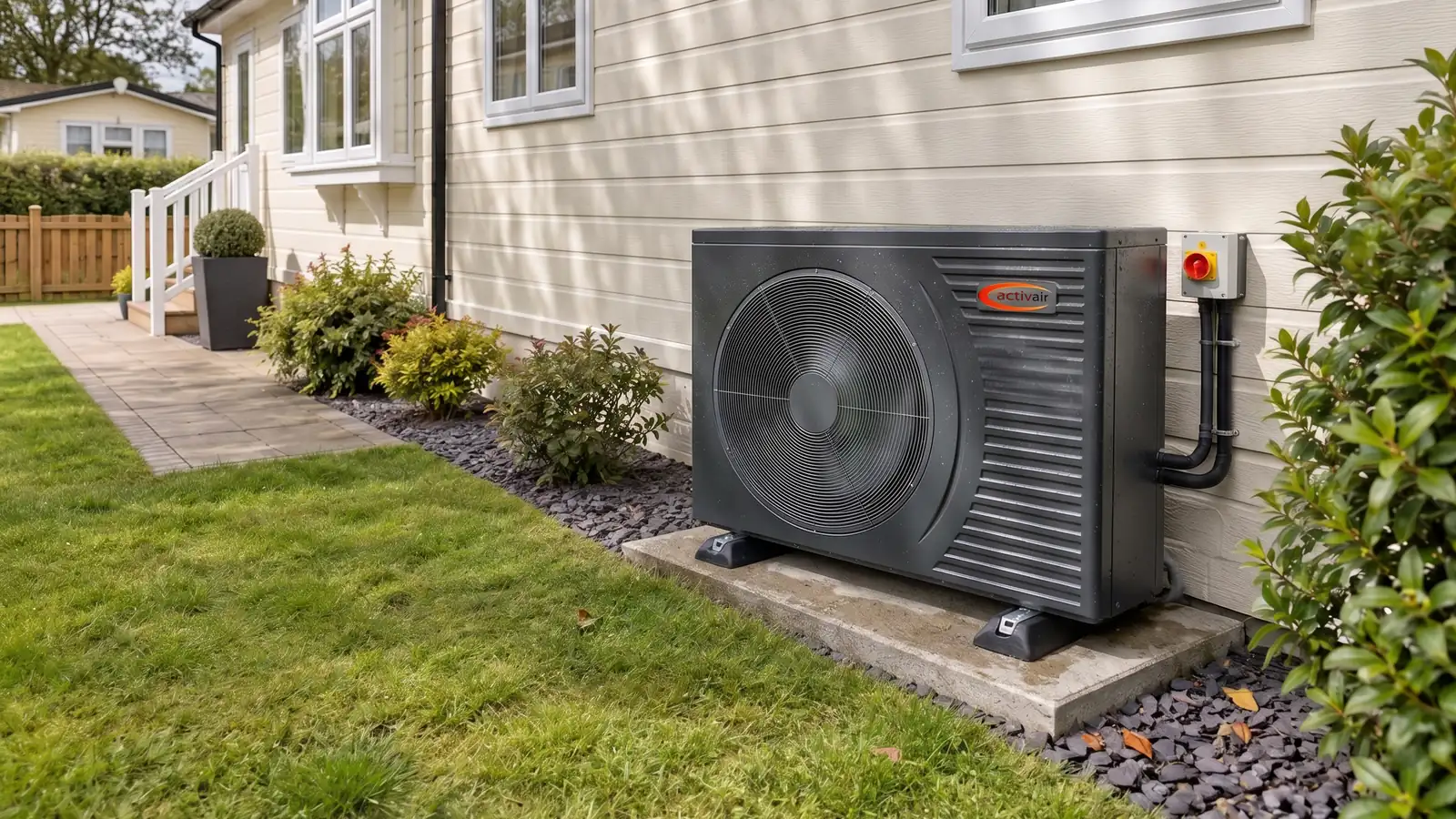
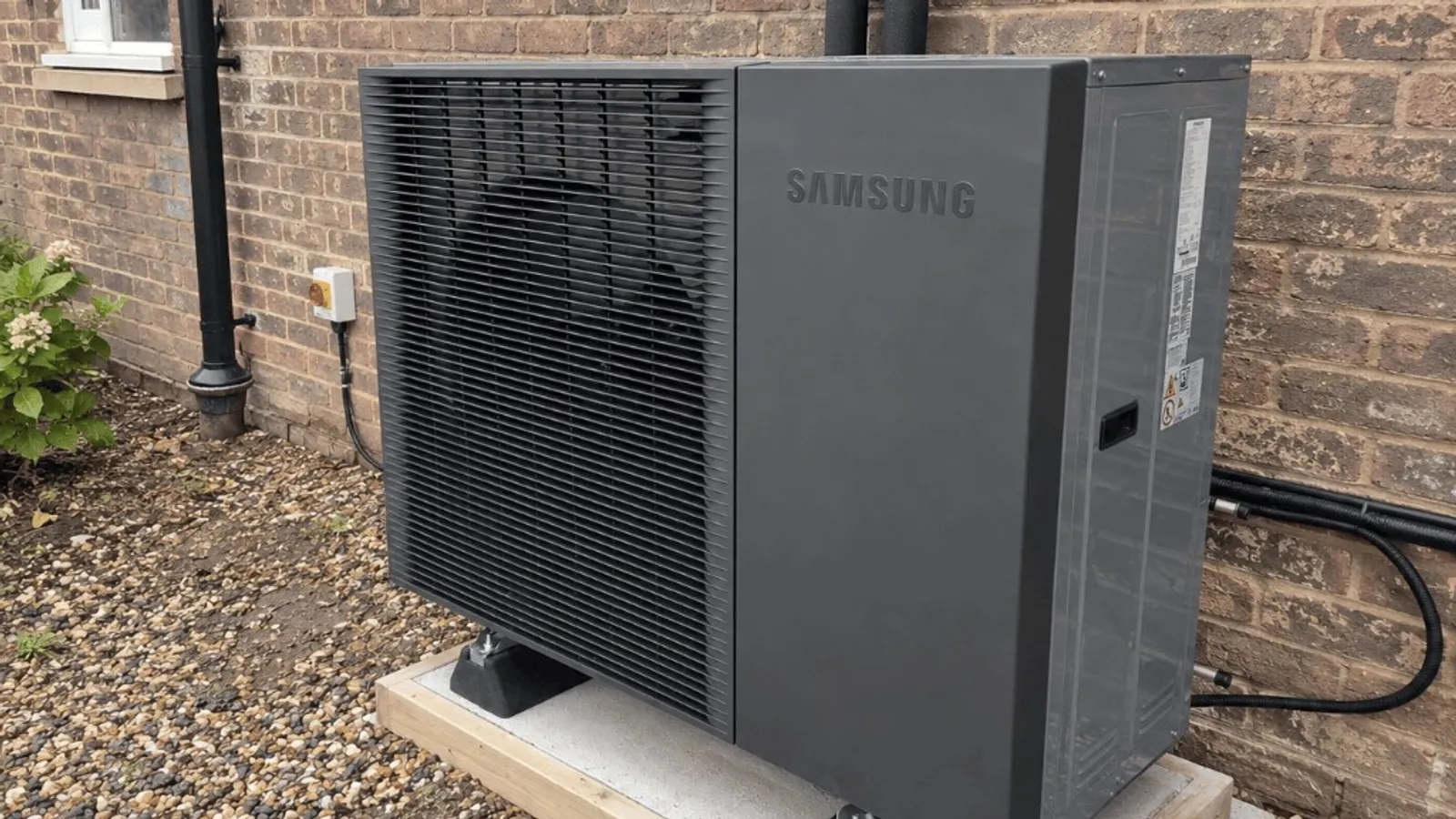
A gas boiler turns each unit of gas into a little less than a unit of heat. A heat pump turns each unit of electricity into three or more, by moving warmth from the outside air. So the question is not whether prices rise, but which fuel rises faster, and in January gas wins that race by a distance.
At the new rates, a 90%-efficient gas boiler makes heat for about 12.2p per kWh. A heat pump at a seasonal efficiency of 3.5 does it for about 9.3p, and even a modest one at 3.0 comes in around 10.9p. Under the October cap the gap was 1.4p per kWh of heat; from January it is 2.9p, more than double. A unit of electricity now costs just under three times a unit of gas, down from 3.3 times in October.
Going all-electric also ends the gas standing charge, 29.65p a day or about £108 a year. The Budget plans to scrap that charge by the end of 2027 and move its cost onto each unit of gas, which makes gas dearer per unit still. Real running costs depend on the home, the install and the tariff: our heat pump running costs guide has the full workings.
What it means for solar panels and batteries
The cap only sets the price of electricity you buy. Every unit your solar panels make and you use yourself is a unit you don’t buy, and from 1 January each of those units is worth 32.69p instead of 26.32p. Put another way, the price rise is also a 24% rise in what your panels save.
UK systems make around 850 to 1,100 kWh per kWp a year, depending on location and roof direction, so a typical 4 kWp system makes roughly 3,400 to 4,400 kWh. Without storage, most homes use about 40% of that themselves, because panels peak at midday and homes peak in the evening. A home battery lifts that to 70 to 80%, and in winter, when the panels are quiet, it can fill up on a cheaper overnight tariff instead. Together, solar and a battery typically cut electricity bills by 50 to 70% in the first year.
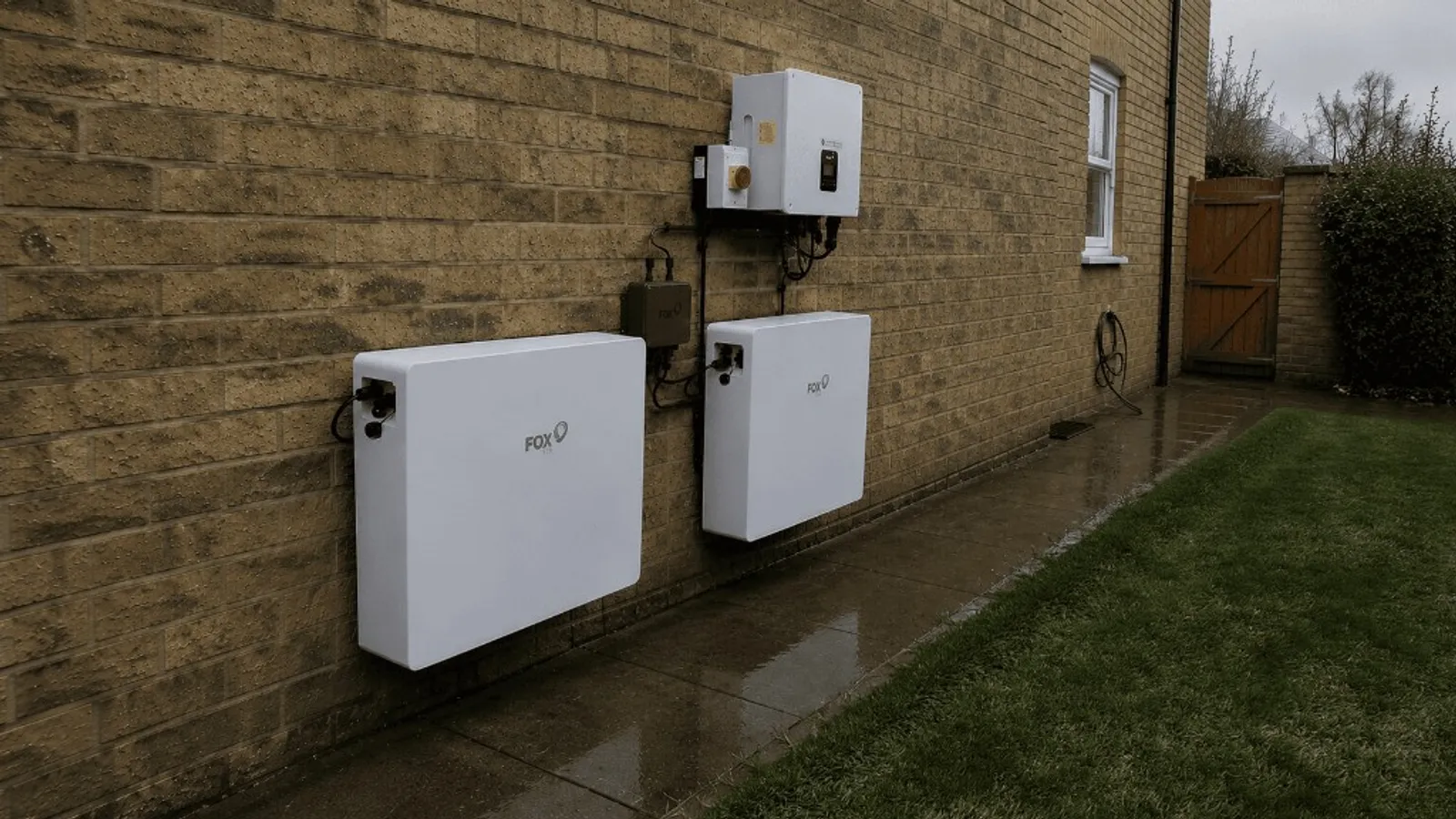
Winter is solar’s weakest season, so panels won’t wipe out a January bill. They earn their keep over the year, and every forecast says electricity stays expensive through 2027.
How to protect your home from the next price rise
Some of this costs nothing. Check when your tariff ends, read your meter on 1 January, and pay by direct debit if you can: Ofgem says that alone saves the average customer about £160 a year over paying when the bill arrives. The bigger protection comes from burning less gas and buying less electricity, so the next shock abroad has less to bite on. Two deadlines make sooner better: 0% VAT on solar panels, batteries and heat pumps ends on 31 March 2027, and so does the higher £9,000 heat pump grant for homes replacing oil or LPG.
Your price cap action plan
Rely less on gas before the next price shock
Main deadline: 31 March 2027
-
A heat pump
Stop burning gas. At January's rates a heat pump makes each unit of heat for about a quarter less than a gas boiler, with a £7,500 grant (£9,000 if you are replacing oil or LPG) and no VAT on the install.
By 31 Mar 2027 Get my price for a heat pump -
Solar panels
Make your own electricity instead of buying it at the new capped rate, with no VAT on the install.
By 31 Mar 2027 Get my price for solar panels -
A home battery
Keep your solar power for the evening, and charge up on cheaper overnight electricity in winter. No VAT on the install either.
By 31 Mar 2027 Get my price for a home battery
Start with the heat pump
If your home heats with gas, the heat pump does the most to cut your exposure, and it takes the longest: a survey first, then a few weeks to fit. In England and Wales the government’s heat pump grant comes off the price, and UKEM applies for it for you as part of the install.
Then make your own electricity
Solar panels cut how much electricity you buy at all, and a battery stretches each sunny day into the evening. Fitted before April, both come with no VAT on the install, and every unit they save is worth more at January’s rates than it was in December.
Before 1 January
- Find your tariff end date. It is in your supplier app or on your last bill. On a fix, nothing changes until it ends. On a standard variable tariff, the new rates start on 1 January.
- Read your meter on 1 January. Send your supplier a reading on the day, so December’s use is billed at December prices. A smart meter does it for you.
- Pay by direct debit if you can. It is the cheapest way to pay under the cap.
The January rise is a reminder, not a one-off. As long as a home heats with gas and buys all its electricity, the next shock abroad reaches its bills within months. Every unit you make yourself, and every unit of gas you stop burning, is one the next price cap can’t touch.
See more from UKEM in your Google results.

Frequently asked questions
How much is the energy price cap from January 2027?
From 1 January to 31 March 2027 the cap works out at £2,166 a year for a typical dual-fuel household paying by direct debit, up 26% (£443) on the £1,723 cap for October to December 2026.
It limits rates, not bills. Electricity is capped at an average 32.69p per kWh with a 54.77p daily standing charge, and gas at 10.96p per kWh with a 29.65p daily standing charge. Use more and you pay more.
Why is the energy price cap going up 26% in January?
International gas prices. Ofgem puts the rise down to the continued conflict in the Middle East and says wholesale gas prices have roughly tripled since it began. Cornwall Insight adds that European gas storage is at record lows going into winter.
Electricity rises less than gas because more of Britain's power now comes from renewables rather than gas-fired power stations.
Will energy prices go down in April 2027?
Only a little, if at all. Ofgem announces the April cap by 23 February 2027. On market prices to 23 November, Cornwall Insight expects a small fall to about £2,151. E.ON Next puts April at £2,192 and British Gas at £2,220, both with low confidence.
Every forecast keeps the cap above £2,000 for the rest of 2027, around £280 a year or more above the October 2026 cap.
Does the January price cap rise affect me if I'm on a fixed tariff?
Not while your fix lasts. The cap only covers standard variable (default) tariffs, which around 20 million households are on. Ofgem says around 10 million households on fixed deals are not affected until their deal ends.
Check your end date: if it falls in the new year, you move onto the higher capped rates unless you pick a new deal.
Is a heat pump cheaper to run than a gas boiler after the January price cap?
On January's rates, yes, by a wider margin than before. A 90%-efficient gas boiler makes heat for about 12.2p per kWh. A heat pump at a seasonal efficiency of 3.5 does it for about 9.3p, and even one at 3.0 comes in around 10.9p.
The gap in the heat pump's favour grows from 1.4p per kWh of heat in October to 2.9p, before any special heat pump tariff. Your own costs depend on the home, the install and the tariff.
How can I protect my home from energy price rises?
Rely less on what the price cap controls. Solar panels make electricity you don't have to buy, a battery lets you use more of it in the evening, and a heat pump replaces gas, the fuel behind this rise.
Britain buys more than half its gas from abroad, so the next conflict or cold winter elsewhere will reach UK bills again. 0% VAT on solar, batteries and heat pumps ends on 31 March 2027.