






From 1 October 2026 to 31 March 2027, household electricity in England, Scotland and Wales carries no VAT. It normally carries 5%. HMRC confirmed the details in a tax information note published on 8 September, and suppliers apply it automatically. Gas, heating oil and LPG keep their 5% VAT, so the cut only helps the part of your bill that runs on electricity.
This piece covers what that means for your home, product by product. For the October price cap rates themselves, see our October 2026 price cap explainer.
What changes on 1 October
VAT ON HOME ENERGY
Only electricity loses its VAT this winter
- England, Scotland and Wales
- Your supplier applies it for you
- Unit rate and standing charge
| Fuel | Normal rate | 1 Oct 2026 to 31 Mar 2027 |
|---|---|---|
| Electricity | 5% | 0% |
| Gas | 5% | 5% |
| Heating oil | 5% | 5% |
| LPG | 5% | 5% |
Taking 5% VAT off a bill takes off just under 5p in every £1. At October’s capped unit rate of 26.32p per kWh, that is about 1.3p saved on every unit you use, plus around £5 on the electricity standing charge across the six months. The government picked electricity because more households use it than any other fuel, and it deliberately covers the winter, when use is highest.
What that adds up to depends on how much of your home runs on electricity. For a typical home, the answer is tens of pounds, not hundreds:
WHAT IT IS WORTH
Saved over the six months, typical home
| Use | Approximate effect |
|---|---|
| Heat pump heating | About £35 saved |
| EV charged at home, standard rate | About £13 saved |
| Electricity standing charge | About £5 saved |
| EV charged at home, overnight tariff | About £3 saved |
| Solar panels, 4 kWp | About £5 less saved |
If you have a heat pump, or are thinking about one
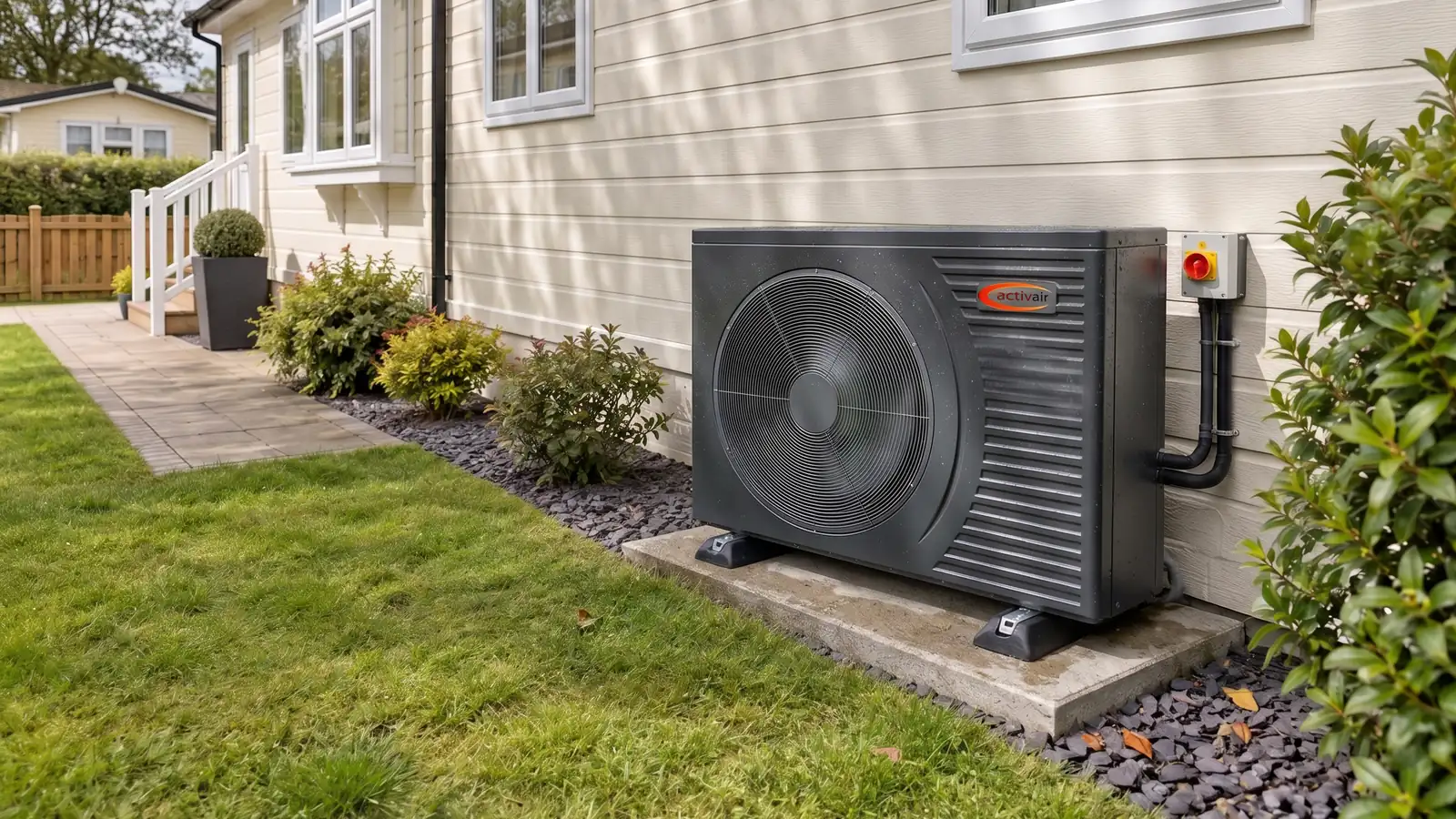
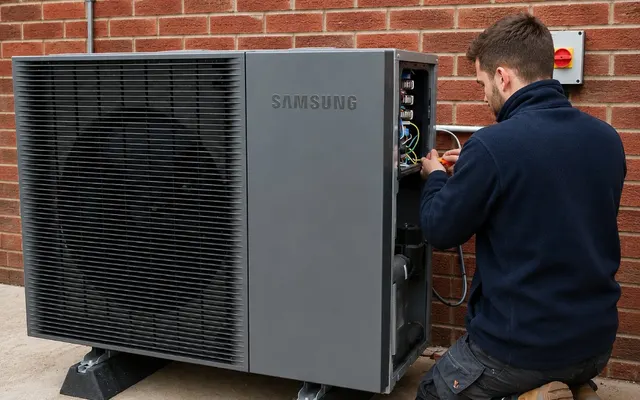
Heat pump homes gain the most, because most of a heat pump’s yearly electricity is used between October and March. A typical home needing 12,000 kWh of heat a year, served by a heat pump running at a seasonal efficiency of 3.5, uses around 3,400 kWh of electricity for heating. Around three-quarters of that falls inside the VAT window, which works out at roughly £35 saved at October’s rates.
That is a modest sum on its own. The bigger shift is the gap between fuels: gas went up 8.7% in the October cap while the electricity rate held broadly flat. A heat pump at a seasonal efficiency of 3.5 now delivers heat at about 7.5p per kWh on standard electricity, against about 8.9p for a 90%-efficient gas boiler. Our heat pump running costs guide has the full workings, including heat-pump tariffs that cheapen overnight running further.
If you heat with gas, oil or LPG
Nothing changes on your heating bill. Your lights, appliances and cooking get the electricity cut, but the fuel that heats your home keeps its 5% VAT, and gas unit rates rose from 1 October. Oil and LPG sit outside the price cap altogether, so their prices move with the market.
If you are replacing oil or LPG heating in England or Wales, the Boiler Upgrade Scheme pays £9,000 toward a heat pump until 31 March 2027, the same day the electricity VAT cut ends. If you are staying on gas, a modern condensing boiler is the lever that cuts your gas use.
If you have electric heating or a park home
Storage heaters and panel heaters run entirely on electricity, so your winter heating bill drops by just under 5% with no change on your side. It is still direct electric heating, though: every unit of electricity makes one unit of heat, where a heat pump makes three or more. Many park homes heat this way, and our page on replacing electric heating in a park home sets out the difference.
If you charge an electric car at home
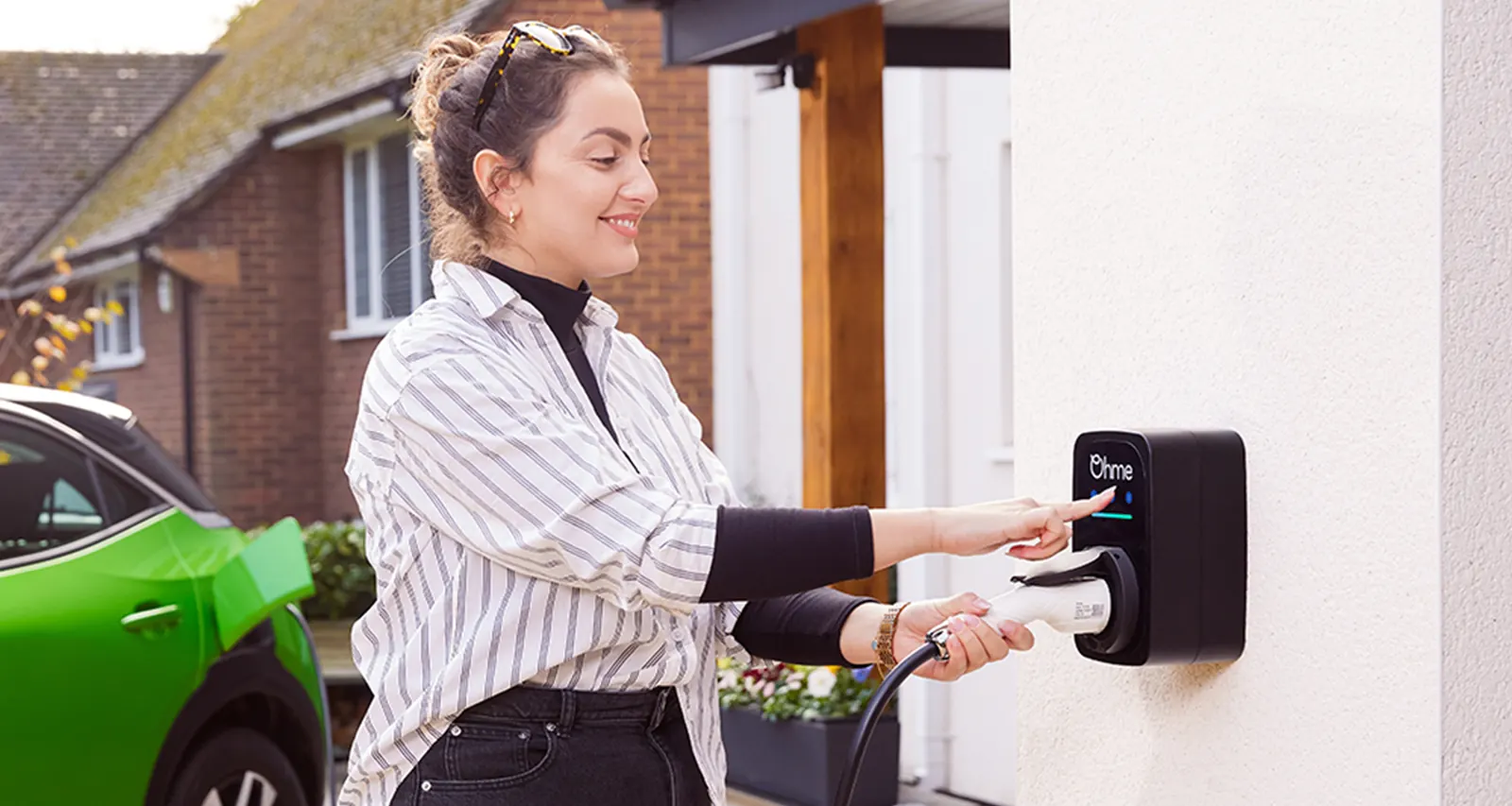
A home charger runs on your household supply, so charging at home is zero-rated too. On a smart overnight tariff at around 7p per kWh, a car doing 7,000 miles a year saves only a few pounds over the winter. On a standard rate the saving is nearer £13. Public chargepoints keep charging 20% VAT, so the gap between charging at home and on the road gets a little wider. Our EV charger page compares home and public charging costs.
If you have solar panels or a battery
The honest answer is that cheaper grid electricity makes each unit of solar you use yourself worth slightly less, about 1.3p less per unit during the window. In practice it barely registers. Winter is when panels generate least, so a typical 4 kWp system loses around £5 of savings across the six months, and the zero rate ends just as the long days return.
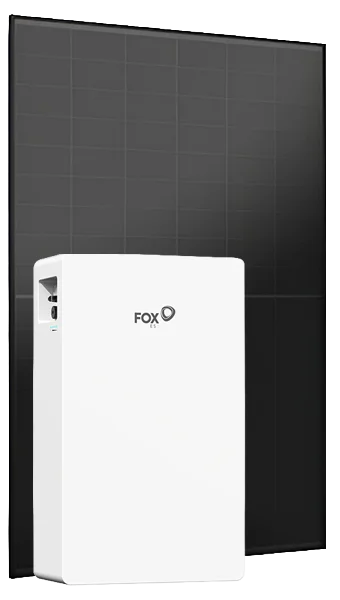
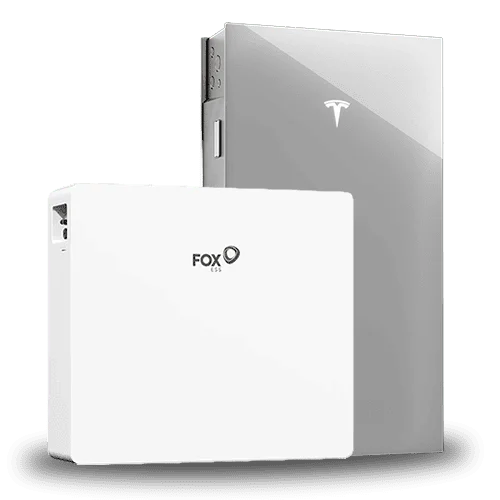
A home battery charged on a cheap overnight rate and used in the evening keeps nearly all of its value, because both the cheap and the expensive units lose their VAT together. Exports under the Smart Export Guarantee are unaffected. The long-term case for solar and battery storage rests on years of generation, not on six months of tax.
31 March 2027: several deadlines on one day
The electricity zero rate is due to end on the same day as three other reliefs. None of them has been extended so far.
ONE DATE, FOUR DEADLINES
What ends on 31 March 2027
- Back to 5% unless extended
0% VAT on energy-saving installations Biggest saving
No VAT on installing heat pumps, solar, batteries and insulation
- £7,500 continues
£9,000 heat pump grant for oil and LPG homes
£1,500 above the standard Boiler Upgrade Scheme grant
- Scheme closes
£500 OZEV chargepoint grant
For renters, flat owners and landlords
- Back to 5%
0% VAT on household electricity
Just under 5p in every £1 of your electricity bill
| Relief | What it is worth | After 31 March 2027 |
|---|---|---|
| 0% VAT on energy-saving installations | No VAT on installing heat pumps, solar, batteries and insulation | Back to 5% unless extended |
| Boiler Upgrade Scheme oil and LPG uplift | £9,000 toward a heat pump, £1,500 above standard | £7,500 standard grant continues |
| OZEV EV chargepoint grant | £500 for renters, flat owners and landlords | Scheme closes |
| 0% VAT on household electricity | About 5% off electricity bills | Back to 5% |
The installation VAT is the one with real money behind it. VAT on an installation is a percentage of a four-figure price, not a few pounds of running cost. Our UK energy grants guide explains each scheme and who qualifies.
What to do now
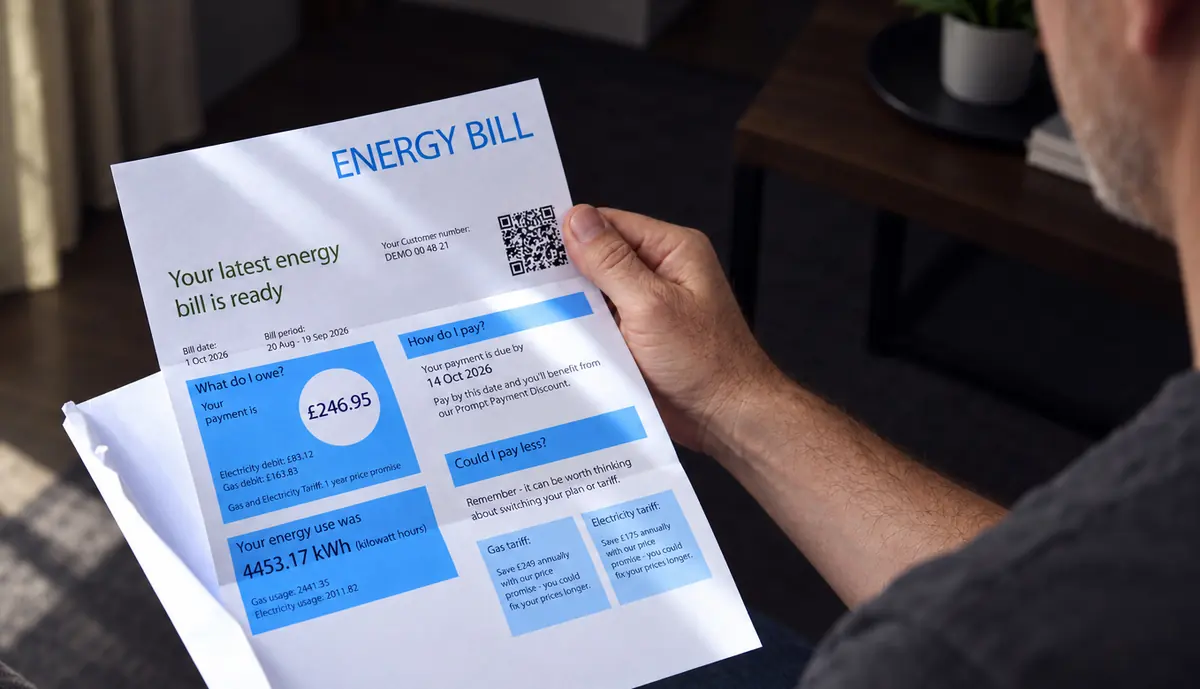
- Check your first bill after 1 October. The electricity VAT should show as 0%. The cut applies on fixed tariffs as well as default ones.
- Don’t change supplier for this. Every supplier applies the same zero rate. Tariff choice still matters for the rates themselves.
- If a heat pump, solar, battery or EV charger is on your list for next year, get a price now so you can see what the reliefs are worth on your home. The UKEM quote tool gives you a price online in a few minutes.
The VAT cut is a six-month bonus, not a reason to buy anything on its own. What it does show is where policy is heading: electricity is being made cheaper while gas, oil and LPG are left to the market. For homes that already run on electricity, or are planning to, this winter is a little cheaper than the last.
Frequently asked questions
Do I need to do anything to get 0% VAT on my electricity?
No. Your supplier applies the zero rate automatically to electricity used from 1 October 2026, so there is nothing to apply for. Check your first bill after that date: the VAT line on the electricity part should read 0%. The cut covers England, Scotland and Wales; Northern Ireland stays at 5%.
Does the 0% VAT apply to gas, heating oil or LPG?
No. HMRC's notice says the rate stays at 5% on all other types of domestic fuel. Only electricity is zero-rated, which is why homes that heat with electricity, including heat pump homes, get the largest share of the saving this winter.
Does the VAT cut apply to charging an electric car at home?
Yes, when the charger runs off your household electricity supply, because that is domestic electricity like any other appliance. Public chargepoints are a different supply and keep charging 20% VAT, so the gap between charging at home and charging on the road widens slightly until 31 March 2027.
Is the 0% VAT on electricity the same as 0% VAT on heat pumps and solar?
No, they are two separate reliefs that happen to end on the same day. The electricity zero rate cuts your running costs from 1 October 2026 to 31 March 2027. The zero rate on energy-saving materials cuts the price of installing a heat pump, solar panels, a battery or insulation, and is also due to end on 31 March 2027, after which it reverts to 5% unless the government extends it.