
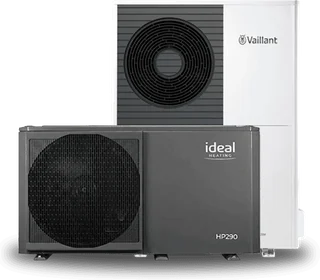
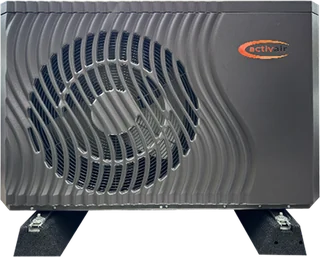
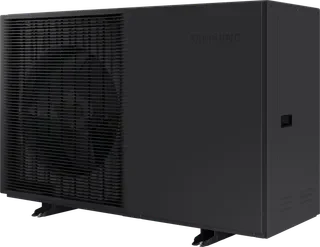








Chancellor John Healey’s Budget on 28 October 2026 left the heat pump grant alone and put most of its energy help into bills. Household electricity stays VAT-free until 30 June 2027, homes in council tax bands A to D in England get £100 from January, and the government has asked Ofgem to scrap gas standing charges by the end of 2027. Oil homes get a small tariff cut until the end of 2028. One date did not move: 0% VAT on solar panels, batteries and heat pumps still ends on 31 March 2027.
UKEM has installed over 31,500 energy-saving measures across mainland Britain, from heat pumps and boilers to solar panels, batteries and EV chargers, so several of these changes touch our work, and we say so up front. Below, each change gets a short summary of what the Budget said, then what it means for different homes. The figures come from the Budget 2026 document published by HM Treasury.
Which Budget changes affect your home?
| Budget change | Who it affects | When |
|---|---|---|
| Heat pump grant kept at £7,500, or £9,000 for oil and LPG homes | Homes in England and Wales replacing their heating | Now; the £9,000 rate ends 31 March 2027 |
| No VAT on household electricity, extended | Every household in England, Scotland and Wales | Until 30 June 2027 |
| £100 Household Energy Payment | Council tax bands A to D in England | From January 2027 |
| Gas standing charges scrapped, cost moved onto the unit rate | Every home on mains gas | Target: end of 2027 |
| Import tariff on kerosene suspended | Homes heated by oil | 26 November 2026 to 31 December 2028 |
| 0% VAT on installs ends as planned | Anyone fitting solar panels, a battery or a heat pump | 5% from 1 April 2027 |
| Public charging VAT confirmed at 20%; £100 million for cheaper on-street charging | Electric car drivers | 1 November 2026; spring 2027 |
| £1 billion taken out of Warm Homes Plan grants | Future grant schemes; most low-income funding protected | Not yet set out |
How long does VAT stay off electricity?
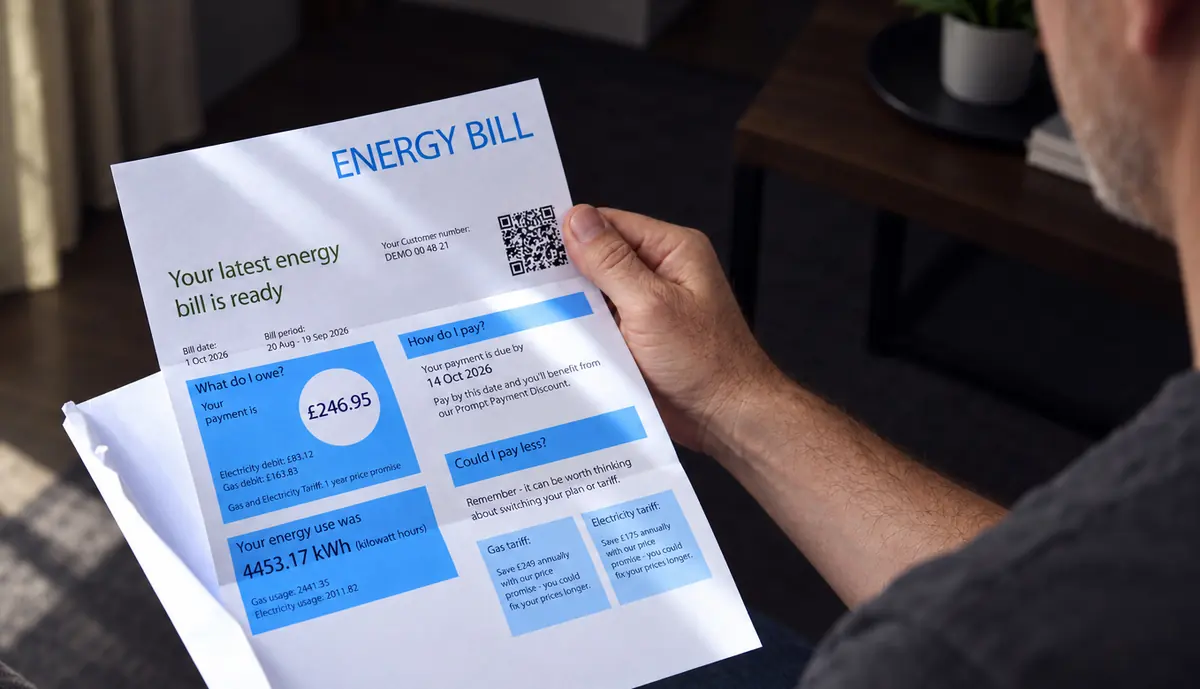
There’s been no VAT on household electricity since 1 October 2026. It was due to come back in April, but the Budget pushed that back three months, so the last VAT-free day is now 30 June 2027. The Treasury says that’s about £50 off the April price cap. Suppliers do it for you. Gas, heating oil and LPG still carry 5% VAT.
Electricity
What this means for you
- Electric heating costs less for longer. Heat pumps, storage heaters, panel heaters and electric park homes keep the cut through the spring. You don’t need to do anything.
- Charging your car at home stays VAT-free. Until 30 June 2027. Public chargers still add 20% VAT.
- For a new heat pump, it’s a small bonus. One fitted over winter 2026-27 runs its first months VAT-free, worth tens of pounds rather than hundreds. Our zero VAT on electricity explainer shows what it’s worth for your home.
Who gets the £100 Household Energy Payment?
Homes in council tax bands A to D in England get a one-off £100 from January 2027, paid through the council tax system. That’s up to 20 million households. Scotland and Wales get money to offer something similar, and councils in England get an extra £100 million for people struggling most with bills, including some above band D.

£100 energy payment
What this means for you
- Your council will tell you how it’s paid. If you’re in bands A to D in England, the details are still to come.
- Watch out for scams. Until your council says how it pays, treat any call, text or email asking for your bank details to “release” the money as a scam.
- In Scotland or Wales? Your government gets money to offer something similar. Watch for its announcement.
- Behind on your bills? Don’t wait. Talk to your supplier now. They have to help you set up a repayment plan you can afford.
What happens when gas standing charges go?
Gas standing charges average £108 a year, and you pay them even if you hardly use gas. The government has asked Ofgem to scrap them by the end of 2027, or soon after. The same money will be collected through the price of each unit of gas instead, with help promised for homes that lose out.
It’s a shift, not a cut: light users pay less and heavy users a little more. Here’s a rough illustration (Ofgem will set the real method):
GAS STANDING CHARGES: AN ILLUSTRATION
Light gas users gain; big users pay a little more
Yearly gas bill at October 2026 capped rates.
| Gas use a year | With the standing charge | Cost moved onto each unit |
|---|---|---|
| 2,000 kWh (low use) | £268 | £182 |
| 9,500 kWh (Ofgem typical) | £865 | £865 |
| 15,000 kWh (high use) | £1,304 | £1,367 |
Gas
What this means for you
- Use little gas? You’ll save. If you only cook on gas, or live in a small flat, you’ll save most of the £108 a year you now pay just to be connected.
- Heat a family home with gas? You may pay a bit more. The cost moves onto every unit of gas, so the more you use, the more you pay. If your boiler is old, a new efficient boiler burns less.
- Thinking about a heat pump? It still adds up. For a typical home the saving stays about the same, and big gas users come out further ahead. Our heat pump vs gas boiler comparison has the sums.
Will heating oil get cheaper?
From 26 November 2026 to the end of 2028, there’s no import tariff on kerosene heating oil. The tariff is small, reported at 4% (Fuel Oil News), so even if suppliers pass it all on, it’s a few pence a litre. LPG isn’t included.
That’s small next to normal price swings: oil was around 71p a litre in July and around £1.10 by late October (PriceTank). Whether a heat pump is cheaper to run than oil depends on that price. Here are the sums for a smaller home, such as a park home or small bungalow:
HEATING A SMALLER HOME FOR A YEAR
At late October's oil price, a heat pump costs about £300 less
Yearly heating cost for a home needing 10,000 kWh of heat.
| Heating | Fuel price | Yearly cost |
|---|---|---|
| Oil boiler, 90% efficient | 71p a litre (July 2026) | About £760 |
| Oil boiler, 90% efficient | £1.10 a litre (late October 2026) | About £1,180 |
| Heat pump, seasonal efficiency 3.0 | 26.32p per kWh (October 2026 price cap) | About £880 |
Heating oil
What this means for you
- Right now, a heat pump is cheaper to run than oil. At around £1.10 a litre, it would save that home about £300 a year.
- It depends on the oil price. Below about 80p a litre, the saving disappears; in July oil was around 71p. A heat pump electricity tariff makes the heat pump cheaper still.
- Think long term. The tariff cut takes off a few pence and ends in 2028, and oil follows world prices. The government says it wants electricity to get cheaper. A heat pump lasts 15 to 20 years, so the long run matters more than this month’s price.
- No more deliveries. No paying for hundreds of pounds of oil up front, and no old tank to replace.
- The grant is the big win now. Oil and LPG homes in England and Wales get £9,000 off a heat pump until 31 March 2027, then £7,500. For oil and LPG bungalows, our bungalow heat pump offer brings the starting price down to a few hundred pounds, confirmed at the survey.

Park homes
What this means for park homes
- The tariff cut is for oil only. Many park homes run on LPG or electric heating, which it doesn’t cover.
- A heat pump still saves. Usually a few hundred pounds a year against LPG, and about two thirds of the heating cost against panel heaters or electric radiators.
- Free for eligible park homes until 31 March 2027. For residential park homes, the heat pump is free with the Boiler Upgrade Scheme grant, confirmed at a free survey. With nothing to pay back, you save from the first winter.
Is the heat pump grant safe?
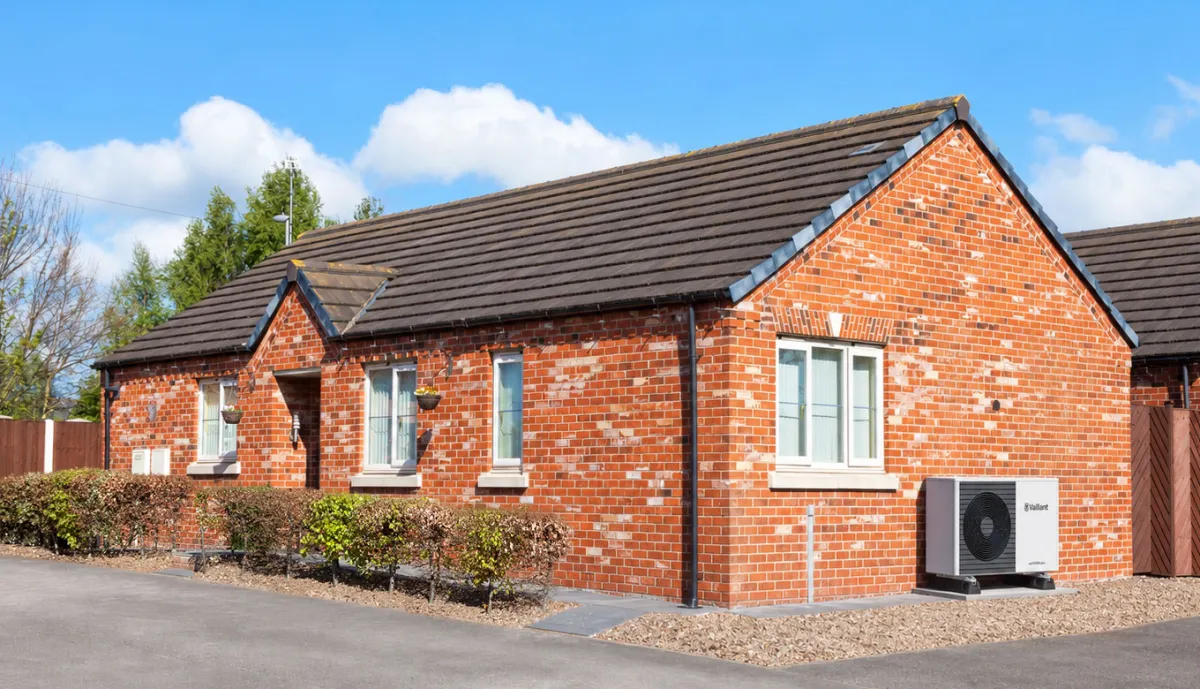
Yes. Before the Budget, there were reports the Boiler Upgrade Scheme could be cut to help pay for defence. It wasn’t: the savings came from elsewhere, including £1 billion from other Warm Homes Plan grants. Our article on the cut reports has the background.
“The government remains committed to heat pump deployment.”
Budget 2026, HM Treasury
The scheme’s budget is held at £400 million in 2027-28, then rises roughly with inflation.
Heat pump grant
What this means for you
- The grant is safe. £7,500 off a heat pump, or £9,000 for oil and LPG homes until 31 March 2027, in England and Wales.
- We do the paperwork. We apply for the grant for you and take it off your bill. A heat pump quote shows your price before and after the grant in a few minutes.
- Spread the rest at 0%. Pay what’s left over 12, 24 or 36 months with 0% interest-free credit and no deposit, as your grant covers it. Subject to status and affordability. See our finance options.
- Once approved, your grant is held for you. It’s kept for your install for three months.
- Don’t leave it too late. The scheme’s budget is held flat while more people apply than ever. Nothing says it will run out, but waiting until late 2027 is a gamble.
- In Scotland? This grant covers England and Wales. Home Energy Scotland has its own grants and loans.
Finance is subject to status and affordability. UK Energy Management Group Ltd (FCA reference 1043484) is an Introducer Appointed Representative of Shermin Finance Limited (FRN 727594), which is authorised and regulated by the Financial Conduct Authority. Shermin Finance Limited acts as a credit broker, not a lender.
When does VAT come back on solar panels and heat pumps?
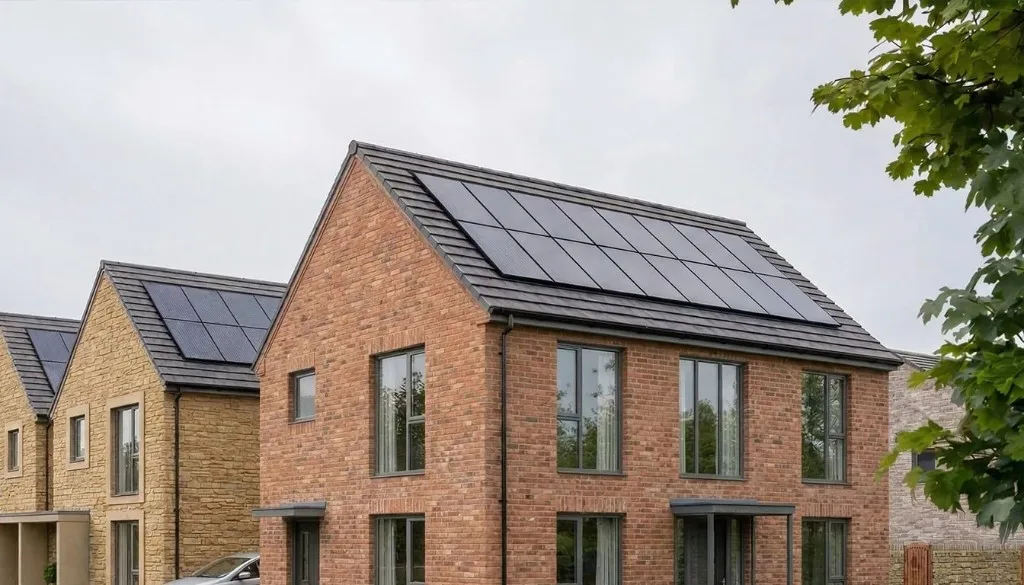
On 1 April 2027. Solar panels, batteries, heat pumps and insulation carry no VAT until 31 March 2027, and the Budget confirmed this won’t be extended. From 1 April it’s 5%.
VAT on installs
What this means for you
- VAT goes from 0% to 5% on 1 April 2027. That’s £50 extra on every £1,000. On a typical solar and battery system, a few hundred pounds.
- Solar or a battery? Fit it by 31 March. A solar and battery system takes a day or two on site, and we usually fit within about a week of your order.
- Heat pump? Start sooner. There’s a survey first, then about three weeks on average to fit. A quote by February makes the deadline, which is also the last day of the £9,000 grant for oil and LPG homes.
What changes for electric car drivers?
Public chargers keep their 20% VAT, now written into law from 1 November 2026. From spring 2027, £100 million will make local on-street chargers cheaper, worth about £150 a year to someone who charges on the street. And the pay-per-mile tax on electric cars, announced at the 2025 Budget, still starts in April 2028.
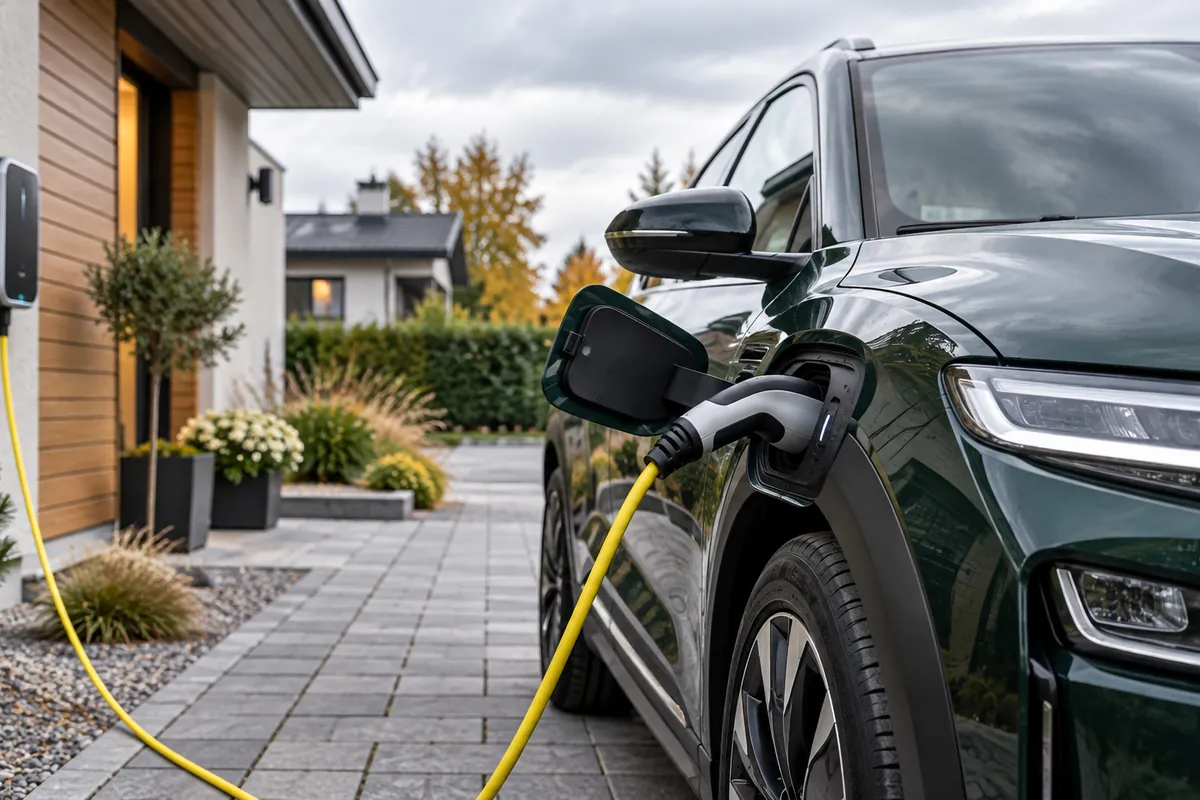
ELECTRICITY FOR 10,000 MILES A YEAR
Charging at home costs a fraction of public charging
Same car, 10,000 miles a year, charged in four different places.
| Where you charge | Price per kWh | Yearly cost |
|---|---|---|
| Home, off-peak EV tariff | About 8p | About £230 |
| Home, standard rate (October 2026 price cap) | 26.32p | About £750 |
| Public, standard chargers (Zapmap average, August 2026) | 54p | About £1,540 |
| Public, rapid chargers (Zapmap average, August 2026) | 77p | About £2,200 |
Electric cars
What this means for you
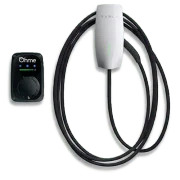
- Home charging is still far cheaper. No VAT on home electricity until 30 June 2027 (5% after), against 20% at public chargers. A cheap overnight tariff cuts the cost further, and a home EV charger can time it for you.
- Renting or in a flat? You may get £500 off a charger with the OZEV chargepoint grant until 31 March 2027.
- No driveway? The £100 million for cheaper on-street charging is aimed at you, from spring 2027.
- Pay-per-mile tax starts in April 2028. You’ll pay it however you charge, so cheap electricity is the part you can control.
What happened to the Warm Homes Plan?
The Budget took £1 billion of grant money out of the Warm Homes Plan to help fund defence. Most of the money for low-income homes and social housing, run by councils and mayors, is protected. The government also pointed to its new Warm Homes Loan Scheme, which supports heat pumps and other clean technology.
Warm Homes Plan
What this means for you
- On a low income? Your help is mostly safe. Grants run by councils and mayors are largely protected. Our grants and funding page shows what’s available.
- Everyone else: the heat pump grant is the one to use. The Boiler Upgrade Scheme stays, and the government is pointing people to loans for the rest. Our earlier piece on what the Warm Homes Plan contains has the background.
How can you make the most of the Budget?
Some of it arrives without you lifting a finger: VAT-free electricity applies on every tariff, and the £100 payment comes through councils. The bigger savings come from acting on what the Budget left in place, and most of them reward acting early, because every month a new system runs is a month of lower bills.
Your Budget action plan
Act before the deadlines and start saving sooner
Main deadline: 31 March 2027
-
A heat pump
0% VAT on the install, the £9,000 grant if you are replacing oil or LPG, and months of running on VAT-free electricity. Get a quote by February to be fitted in time.
By 31 Mar 2027 Get my price for a heat pump -
A park home heat pump
Free with the Boiler Upgrade Scheme grant for eligible residential park homes, until the offer closes.
By 31 Mar 2027 Check my home for a park home heat pump -
Solar panels or a battery
0% VAT on the install instead of 5%, and a battery charges on VAT-free overnight electricity until 30 June.
By 31 Mar 2027 Get my price for solar panels or a battery -
A home EV charger
Charge at home with no VAT until 30 June 2027 and 5% after, against 20% at public chargers.
Sooner is better Get my price for a home EV charger -
A new gas boiler
Burn less gas just as each unit gets dearer, when standing charges move onto the unit price.
Before end of 2027 Get my price for a new gas boiler
Start with the heat pump
If a heat pump is on your list, start there: it has the most to gain and the longest lead time, with a survey first and then about three weeks to fit. Fitted by 31 March 2027, it gets the full grant (£9,000 for oil and LPG homes) and no VAT on the install.
Pair it with the rest
The changes stack. A home battery fitted before April charges on cheap overnight electricity, VAT-free until 30 June. A home charger puts your car on that same overnight electricity instead of public chargers at 20% VAT. Solar panels fitted in the same window cut how much electricity you buy at all, whatever happens to VAT after June.

When waiting makes sense
A heat pump is not the right answer for every home. If you are on mains gas with a boiler only a few years old, nothing in the Budget forces a change, and a yearly service and sensible controls matter more for now. If you heat with oil, your boiler is fairly new and oil falls back below about 80p a litre, a heat pump may save little on running costs, and the grant, not the bill, would be the reason to switch.
Key dates from the Budget
BUDGET 2026 KEY DATES
The date that matters most for an install is 31 March 2027
- 26 Nov 2026Kerosene import tariff lifted
- Jan 2027£100 energy payments begin
- 31 Mar 2027Last day for 0% install VAT and the £9,000 grant rate
- Spring 2027Cheaper on-street charging
- 30 Jun 2027Last VAT-free day for electricity
- End of 2027Gas standing charges due to go
- Apr 2028Pay-per-mile tax for electric cars
- 31 Dec 2028Kerosene tariff suspension ends
| Date | What happens |
|---|---|
| 26 November 2026 | Import tariff on kerosene heating oil suspended |
| January 2027 | £100 Household Energy Payment for council tax bands A to D in England |
| 31 March 2027 | Last day of 0% VAT on solar panels, batteries and heat pumps; last day of the £9,000 heat pump grant for oil and LPG homes; park home free heat pump offer ends; OZEV £500 chargepoint grant ends |
| Spring 2027 | £100 million starts cutting the cost of local, lower-powered public chargers |
| 30 June 2027 | Last day of 0% VAT on household electricity |
| End of 2027 | Target date for abolishing gas standing charges |
| April 2028 | Electric Vehicle Excise Duty, a pay-per-mile charge, begins |
| 31 December 2028 | Kerosene import tariff suspension ends |
What else was in the Budget?
The Budget also extended the 5p fuel duty cut to July 2027, suspended tariffs on more than 100 food products, raised the National Living Wage by 3.9% to £13.21 an hour from April 2027, reversed the planned cut to the cash ISA allowance, raised tax on income from property and savings, cut business rates for pubs, music venues and smaller high street businesses, funded around 10,000 more social and affordable homes, confirmed a £4.7 billion Your First Home equity loan scheme for first-time buyers, set out a change to the Triple Lock from the next Parliament alongside free personal care, and made more than £10 billion of extra support available to Ukraine. For everything else, read the full Budget 2026 document on GOV.UK.
Sources
- Budget 2026 (HM Treasury, 28 October 2026) for every Budget measure in this article
- Energy price cap (Ofgem) for the October to December 2026 rates used in the charts
- Typical domestic consumption values (Ofgem) for typical gas use of 9,500 kWh a year
- Heating oil prices (PriceTank) for the July and October oil prices
- Heating oil tariff proposal (Fuel Oil News) for the reported 4% kerosene tariff
- Boiler Upgrade Scheme statistics (DESNZ) for the July 2026 application record
- Charging price index (Zapmap) for public charging prices
See more from UKEM in your Google results.

Frequently asked questions
Did the Budget cut the heat pump grant?
No. The Boiler Upgrade Scheme stays at £7,500, or £9,000 for off-gas-grid homes in England and Wales replacing oil or LPG until 31 March 2027. Its funding is held at £400 million in 2027-28 and then rises roughly in line with inflation. UKEM applies for the grant on your behalf as part of the install.
When does VAT come back on household electricity?
On 1 July 2027. The Budget extended the zero rate by three months, so household electricity in England, Scotland and Wales carries no VAT until 30 June 2027, then returns to 5%. Suppliers apply it automatically on every tariff.
Who gets the £100 Household Energy Payment?
Households in council tax bands A to D in England, from January 2027, paid through the council tax system. The Scottish and Welsh governments receive a share of the funding to offer similar support. Councils in England also get £100 million for households hit hardest by energy bills, including some above band D.
When will gas standing charges be scrapped?
The government has asked Ofgem to abolish them on household bills by the end of 2027, or as soon as possible after that. The cost, around £108 a year on average, moves onto the price of each unit of gas, and the government will set out help for households that lose out.
Will heating oil get cheaper after the Budget?
Only a little, and only for a while. The import tariff on kerosene is suspended from 26 November 2026 to 31 December 2028, which is worth a few pence a litre at most if suppliers pass it on. LPG is not covered, and oil prices still follow world markets.
Will VAT go up on solar panels, batteries and heat pumps?
Yes, from 1 April 2027. The 0% rate on energy-saving installations ends on 31 March 2027, as the Budget confirmed, and the rate returns to 5%. An install finished by then keeps the 0% rate. A heat pump needs a survey before the price is final, so allow a few weeks.