








Boiler Upgrade Scheme (BUS)
How much is the BUS grant for a heat pump?
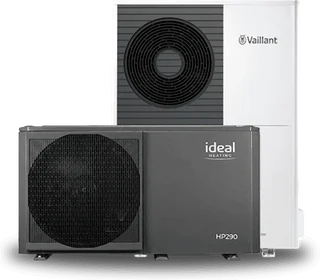
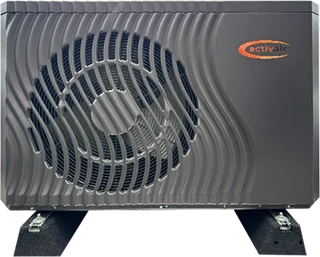
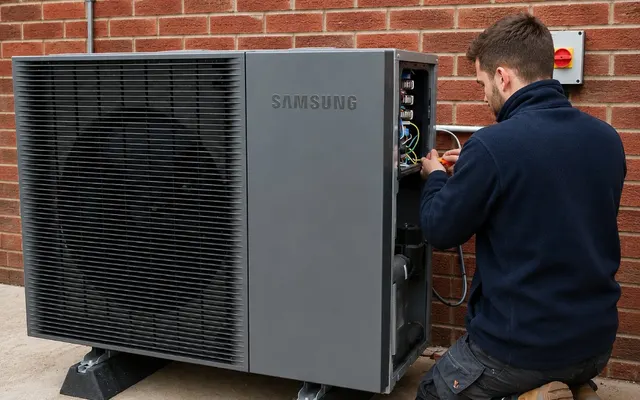
Up to £9,000 toward an eligible air source heat pump in England and Wales when you meet the Boiler Upgrade Scheme rules: £9,000 until 31 March 2027 for off-gas-grid homes replacing oil or LPG heating (until 31 March 2027), £7,500 for other eligible homes. The amount is set by government and applied for by your MCS-certified installer; it comes off your installation quote before you pay, so there is nothing to claim back yourself. The scheme also covers some other low-carbon technologies at different rates, but at UKEM we focus on air source heat pumps.
How much does a heat pump cost after the grant?
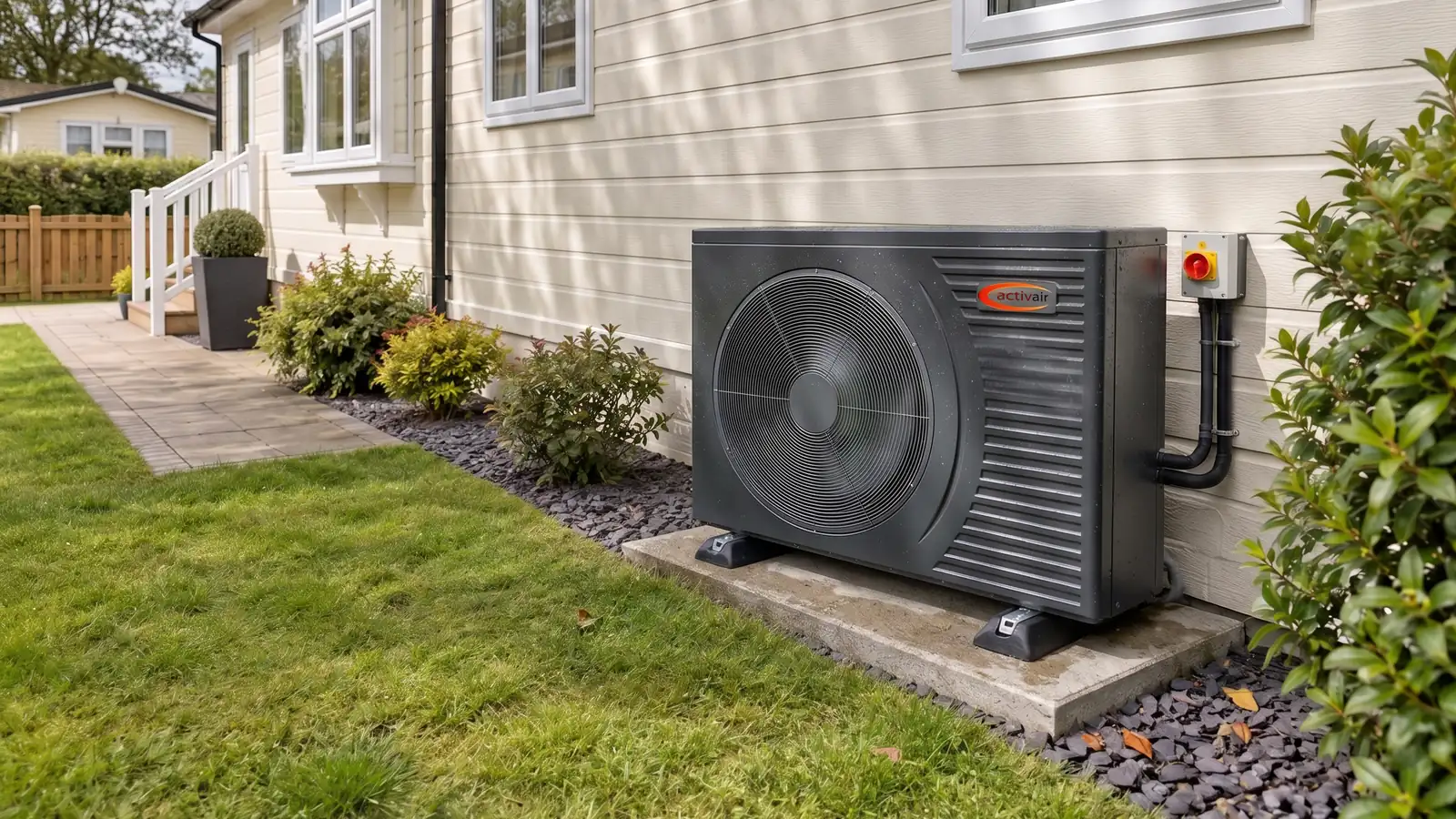
After the £7,500 BUS grant, a fully fitted air source heat pump typically lands around £4,000 to £9,800 out of pocket, depending on the property; oil and LPG homes on the £9,000 rate until 31 March 2027 pay £1,500 less again. What pushes the number up or down: the size of your home, the model you pick, and prep work like radiator upgrades. Your quote shows the exact figure with the grant already off. Residential park homes are a much smaller job and have their own limited-time offer, set out on our park home heat pumps page.
Is the Boiler Upgrade Scheme a free boiler scheme?
No. Despite the name, the Boiler Upgrade Scheme doesn't fit free boilers. It's a heat pump grant. The "boiler upgrade" part means swapping a fossil fuel boiler for a low-carbon heat pump, not replacing one boiler with another. Free boiler schemes for low-income households are separate, usually means-tested programmes. BUS is open to any homeowner replacing a gas, oil, LPG, or electric heating system.
Do I need to apply for the BUS grant myself?
No, your MCS-certified installer handles the application for you. From 28 April 2026, only MCS-registered installers can submit Boiler Upgrade Scheme claims to Ofgem. UKEM is on the MCS register, so we file your BUS paperwork alongside the heat pump install.
Can I combine BUS with finance?
Yes. BUS and finance stack cleanly. The grant, £7,500 or £9,000 for oil and LPG homes until 31 March 2027, comes off your quote first, then fixed-rate finance covers the balance. On a £12,900 installation the standard grant leaves roughly £5,400 to spread over monthly payments. Your written quote shows both figures before you commit.
Will a heat pump work in my home?
Most UK homes work for an air source heat pump. You need a garden, yard, or external wall for the outdoor unit. Modern systems run down to -20°C without losing efficiency. During the survey, our engineer confirms the right size and the best spot, based on your heating and hot water demand.
Does my home need insulation to qualify for the BUS grant?
No. The government scrapped the loft and cavity wall insulation requirement in May 2024. Since 28 April 2026 you don't need an EPC either: if your home has one, your installer uses its number, and if not, a recent energy bill and photos count as evidence.
How long does installation take?
For a BUS heat pump, allow around two weeks from quote to install across mainland England and Wales. The on-site fitting usually takes 2 to 4 days, depending on system size and any radiator or pipework upgrades. We confirm the timeline when we survey.
When does the BUS scheme end?
The Boiler Upgrade Scheme runs until 2030, with an annual budget cap each year. The higher £9,000 rate for oil and LPG homes is time-limited: it has been live since 21 July 2026 and ends 31 March 2027, so off-gas-grid households have a firm deadline to work to. Earlier applications are also safer because funding can pause once the year allocation is spent. The rules were last overhauled in April 2026; our update covers what changed.
Who is eligible for the BUS grant?
Homeowners and small landlords in England and Wales, with a property built before 2025, and no existing heat pump on site. No EPC is needed since 28 April 2026 (a recent energy bill and photos count as evidence). The installer must be MCS-certified and registers the application against your address. New builds, second homes used commercially, and properties already running a heat pump are excluded. The Ofgem BUS scheme page lists the full criteria.
Can the Boiler Upgrade Scheme grant amount change?
Yes. The government publishes the live grant amounts and eligibility on gov.uk and through Ofgem. We always quote against the rate that applies when you book, not a future announcement. If you are eligible, delaying in the hope of a different figure later usually costs more in wasted bills than it saves on the install. The background to the uplift is in our BUS uplift update.
Is BUS available in Scotland?
No. Scotland runs its own equivalent through Home Energy Scotland. The Scottish grant is structured similarly but pairs with an interest-free loan covering the rest of the install, which can stretch the support further than the English and Welsh route. Northern Ireland has no direct heat pump grant of comparable size in 2026. Our UK energy grants guide covers the regional split in detail.
Park Home Grants
Can park home residents get the Boiler Upgrade Scheme?
Yes. Residential park homes qualify when the home is your main residence on a residential-licensed park in England or Wales. The EPC requirement that used to block park homes was removed on 28 April 2026, so a recent fuel bill and photos of your current heating are enough evidence. As an MCS-certified installer, UKEM applies to Ofgem for you. Full detail is on our park home grants page.
How much is the park home heat pump grant?
Up to £9,000 for off-gas-grid homes replacing oil or LPG heating until 31 March 2027, and £7,500 for other eligible homes, deducted before you pay rather than paid as a rebate. The survey confirms which tier your home qualifies for. For eligible residential park homes, the grant covers our full installation price, so the heat pump is free, in a limited-time offer until 31 March 2027. Live figures are published on GOV.UK.
How much will a park home heat pump cost after the grant?
Nothing, for eligible homes. The Boiler Upgrade Scheme grant covers our full price for a typical park home installation, so there is nothing for you to pay. This limited-time park home offer runs until 31 March 2027. We claim the grant from Ofgem ourselves and no finance is involved. Your free survey confirms eligibility before you commit. See what a park home heat pump costs for how the grant covers it.
Can I get a grant to replace my park home's LPG or oil boiler?
Yes. Swapping an oil or LPG boiler for an air source heat pump is exactly what the top tier funds: £9,000 until 31 March 2027. For eligible residential park homes the swap is free, fully installed: the grant covers our full price, in a limited-time offer until 31 March 2027. Your park home needs to be off the mains gas grid, which nearly all are. We confirm eligibility at the survey and submit the application for you. Fuel-specific pages cover LPG and oil swaps.
Are there park home insulation grants?
Park home insulation is usually funded through the ECO4 scheme, which supports households on qualifying benefits and runs until 31 December 2026. UKEM does not install insulation. The good news for the heat pump grant: insulation is not a condition, and there has been no insulation requirement since May 2024.
Are there grants for park home cladding or external wall insulation?
There is no dedicated national cladding grant for park homes in 2026, and cladding is not something UKEM installs. ECO4 can fund external wall insulation for qualifying households until the scheme closes in December 2026. None of this affects your heat pump grant, which carries no insulation conditions at all.
Will park home residents get the £400 energy grant?
That scheme has closed. The £400 payment was the Energy Bills Support Scheme from winter 2022/23, which park home residents claimed through the Alternative Funding route. The live support in 2026 is the Boiler Upgrade Scheme, the Warm Home Discount, and Winter Fuel Payments for pension-age households.
Do pensioners in park homes get extra energy grants?
There is no separate pensioner tier, but nothing is means-tested either. The Boiler Upgrade Scheme has no age or income test, so pensioners get the same £7,500, or £9,000 until 31 March 2027 for oil and LPG swaps. For eligible park homes the grant covers our full installation price until 31 March 2027, so there is nothing to pay. Pension-age households can add the Winter Fuel Payment and, if eligible, the Warm Home Discount on top.
What if my park does not allow outdoor units?
Check your written agreement, as some parks restrict what sits outside your home. It is not a dead end: compact high-temperature units and indoor ducted heat pumps can keep the outdoor footprint small or remove the outdoor box entirely. We check your park's rules as part of the survey.
Is a holiday static caravan eligible for the grant?
No. The Boiler Upgrade Scheme is for homes lived in as a main residence. A park home on a residential-licensed site qualifies; a holiday static or a caravan on a holiday park does not. If you live in your park home year-round under a residential agreement, you are on the right side of the line.
I live in a park home in Scotland. What help can I get?
The Boiler Upgrade Scheme only covers England and Wales. In Scotland, Home Energy Scotland offers a heat pump grant paired with an optional interest-free loan. UKEM installs across mainland Britain, so we can still quote for your installation.
EV Chargepoint Grant (OZEV)
Can homeowners get the EV charger grant?
No. Homeowners of detached, semi-detached, and terraced houses were removed from the scheme in 2022. You can still get an EV charger installed across mainland Britain, but you pay the full cost yourself. See our EV chargers page for pricing.
How much is the OZEV grant worth?
Up to £500 per charging socket for eligible renters, flat owners, and landlords. The amount increased from £350 on 1 April 2026. Your installer deducts it from the invoice, so you pay the remainder only after the grant is applied.
What type of charger qualifies?
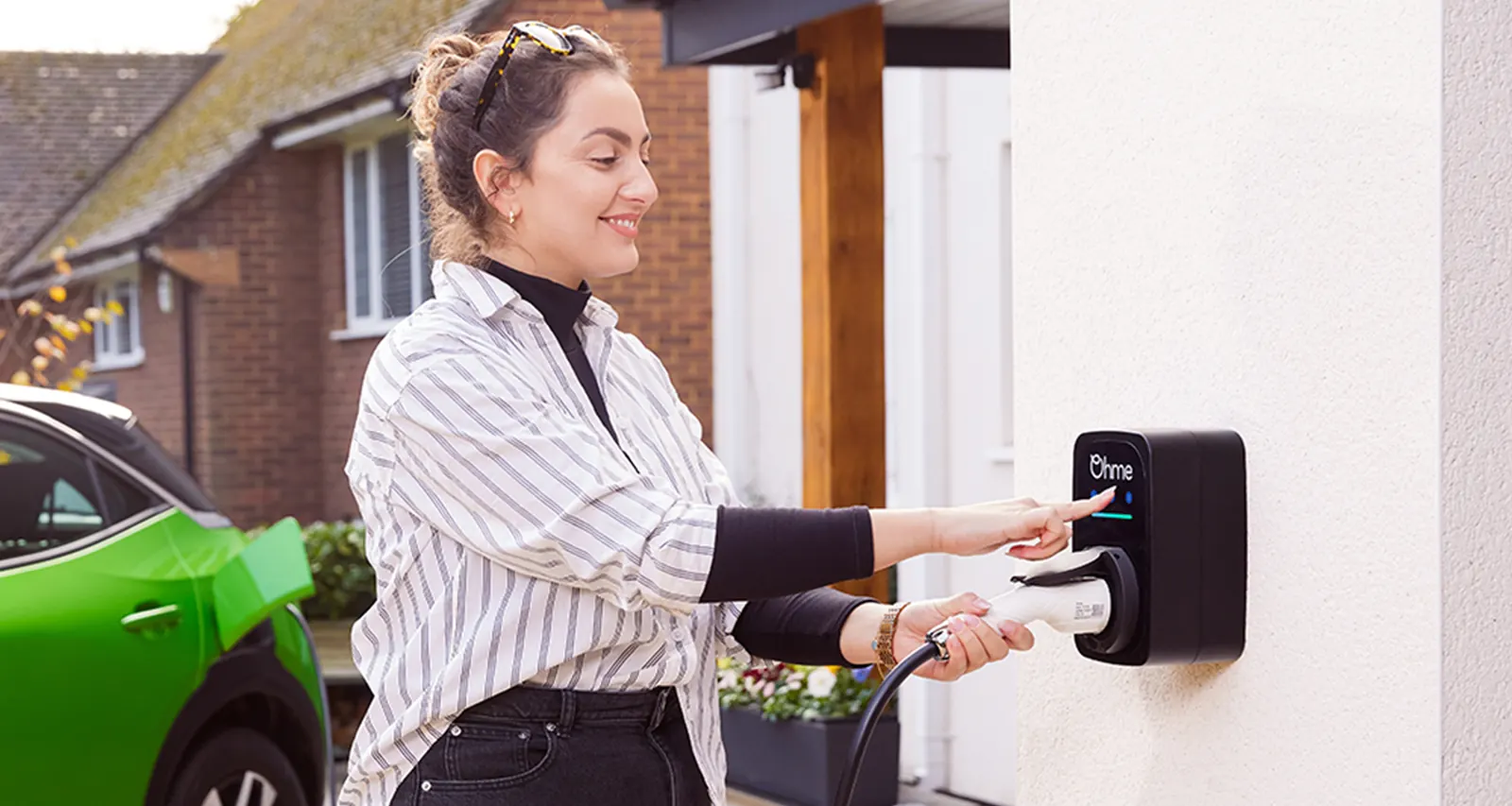
It has to be a smart charger on the OZEV-approved model list, capable of shifting charging to off-peak hours. The Ohme ePod and Ohme Home Pro both qualify. The Tesla Wall Connector does not, so if you want the £500 grant you'll need to go with an approved unit. We can fit either; we just let you know upfront which option gets the discount.
Do I need off-street parking?
Yes. You need a dedicated off-street parking space where the vehicle is normally kept, such as a driveway, garage, or private parking bay. The charger must be fixed at that location. On-street or shared public bays do not qualify under OZEV rules.
Can landlords apply for multiple properties?
Yes. Landlords can claim the OZEV grant for up to 200 charging sockets across their private residential portfolio in mainland Britain. Each eligible socket receives up to £500, deducted by the installer before you pay the balance on each property.
When does the OZEV EV charger grant end?
The OZEV EV charger grant closes on 31 March 2027, and government has confirmed this is the final year of the scheme. If you qualify as a renter, flat owner, or landlord, there is no benefit to waiting beyond securing survey dates.
What happens to the charger if I move house?
The charger stays with the property. You don't need to repay the grant, and the new occupant inherits a working home charger. If you're a renter, it's worth agreeing with your landlord upfront about what happens at the end of the tenancy.
How long does the installation take?
Most installs take around half a day. We mount the unit, run cabling from the consumer unit, and test everything before we leave. If the route from the fuse board to the charger is longer than usual, it might stretch to a full day. We confirm the timeline when we quote.
Who qualifies for the OZEV grant?
Three groups: renters, landlords, and flat owners. You need dedicated off-street parking, a smart OZEV-approved charger, and an authorised installer. Renters need landlord consent for the install. Owner-occupiers of houses are not eligible in 2026, this group was removed from the scheme some years ago. The gov.uk page sets out the eligibility split per scheme strand.
How is the OZEV grant paid?
The installer applies for it and discounts your invoice by the grant amount, up to £500. You pay the balance. The installer claims the grant back from OZEV after the install is signed off, so the money never passes through your hands. You will need to provide the installer with proof of tenancy, ownership of the flat, or landlord status before the application goes in. Full process at gov.uk.
Can I claim OZEV more than once?
Generally one grant per parking space, capped at two chargepoints per eligible household. The cap exists to allow a second charger if a second EV is added. Once those have been claimed against an address, no further OZEV money is available at that property. Landlords have separate annual caps on how many chargepoints they can fund across a portfolio. The gov.uk scheme page sets the precise limits.
How far can the charger be from my fuse box?
Our standard install package covers a cable run of either 5m or 8m from your consumer unit (fuse box) to the charger. Longer runs, routes that need cable through floors or external trunking, or older consumer units that need upgrading are quoted separately. We confirm the route from your photos before install day, so there are no invoice surprises.
Can I get the charger fitted before my EV arrives?
Yes. OZEV's qualifying-vehicle rule covers an EV you own, lease, or have on order. A confirmed manufacturer or dealer order is enough to apply. Many drivers schedule the install before delivery so the charger is ready on day one. Our team will ask for a copy of your order paperwork before the install so it can go on the grant application.
Will the charger work with my solar panels?
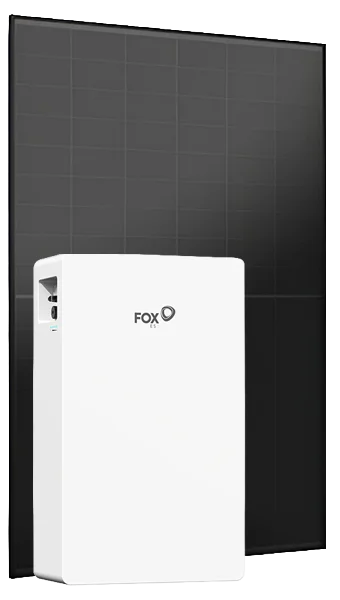
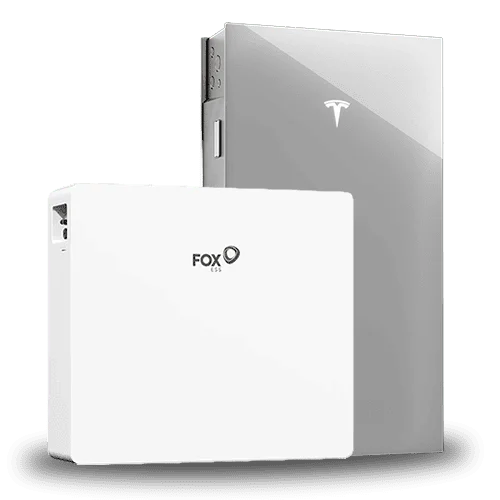
Yes. Most OZEV-approved smart chargers can charge from surplus solar power, topping up the car only when your panels are generating more than the house is using. The Ohme Home Pro supports solar-divert via a compatible CT clamp or smart meter setup. If you already have solar PV, tell our team and we'll confirm what's needed. See our solar & battery page for full systems.
Is the EV chargepoint grant the same as the £3,750 electric car grant?
No, they're separate schemes. The EV chargepoint grant gives renters, flat owners and landlords up to £500 toward a home charger install. The Electric Car Grant is a discount of up to £3,750 off the price of an eligible new EV, applied by the dealer when you buy the car. You can use both: one for the vehicle, one for the charger.
ECO4 & Warm Homes
Who is eligible for ECO4 funding?
You qualify on two conditions: you own your home (or rent privately with your landlord's written permission), and someone in your household receives a qualifying income-related benefit such as Universal Credit, Pension Credit, or Income Support. Your property also needs an EPC rating of D to G. Outside that route, your council may help through LA Flex, extending ECO4 to households in fuel poverty. Use our on-page eligibility check to confirm in two minutes.
What EPC rating do I need to qualify for ECO4?
Your property needs an Energy Performance Certificate (EPC) rated D, E, F or G. ECO4 targets less efficient homes, so properties already rated A, B or C are not eligible. If you don't know your current rating, we look it up for you as part of the eligibility process and the surveyor confirms it on site.
What energy upgrades are covered by the ECO4 scheme?
ECO4 covers insulation (cavity wall, loft, room-in-roof, internal solid wall), heating upgrades (condensing boilers, first-time central heating, storage heaters), renewables (solar PV and air source heat pumps), and smart heating controls. The exact package comes from a property survey designed to lift your EPC rating, so an already-insulated home might receive renewables instead.
How much is the ECO4 grant worth?
ECO4 covers the full cost of eligible measures. There is no fixed pound amount because the value depends on your property and the upgrades needed. Some homes receive insulation worth a few thousand pounds; others get a full heating replacement worth considerably more. ECO4 is not a cash grant: energy suppliers pay the installer directly, with nothing for you to fund. Supplier quotas are filling before the December 2026 close.
How do I apply for an ECO4 grant?
Start with our on-page eligibility check: postcode, property type, and benefit details, around two minutes with no commitment. We then arrange a property survey, verify benefits with the DWP, and design a measure package to lift your EPC rating. Certified engineers complete the work and we submit your updated certificate. You never deal with energy suppliers or Ofgem directly.
Does PIP qualify for ECO4?
No, not on its own. Personal Independence Payment (PIP) isn't a qualifying benefit for ECO4, because the scheme targets income-related benefits. If someone in your household also receives a qualifying benefit such as Universal Credit, you remain eligible. PIP-only households can sometimes apply through LA Flex, a council-led extension to the standard eligibility criteria.
Can tenants apply for ECO4?
Yes. Private tenants can apply for ECO4 with their landlord's written permission, as both parties need to agree to the work before it can proceed. Landlords often welcome the upgrade since it improves the property's EPC rating. Social housing tenants should check first with their housing provider, who may have their own ECO arrangement in place.
Is the ECO4 scheme legitimate?
Yes. ECO4 is a UK government obligation regulated by Ofgem, the energy regulator. Large energy suppliers are legally required to fund these improvements, which is why there is no cost to qualifying households. You can verify the scheme on the GOV.UK consultation page and confirm UKEM's certifications and registrations on the TrustMark register.
What happens when ECO4 closes in December 2026?
ECO4 closes on 31 December 2026 and government has confirmed there will be no ECO5. After that date, applications close and the legal obligation on energy suppliers ends. The £15bn Warm Homes Plan takes over from January 2027, but detailed eligibility rules are not published yet. If you qualify today, applying now is the most reliable route to a fully funded upgrade before quotas fill.
What is the Warm Homes Plan?
A £15bn government programme launching in January 2027, replacing ECO4 as the main funding umbrella for low-income home upgrades. It covers insulation, heat pumps, and solar under a single brand, drawing on several existing grant routes plus new local authority funding. Full scheme rules are published in stages by DESNZ. Our Warm Homes Plan news article tracks the rollout, and the gov.uk announcement sets out the headlines.
What does the Warm Homes Plan cover?
Insulation, heat pumps, and solar, with a mix of grants pulled under one umbrella. It blends the existing Boiler Upgrade Scheme and successor versions of ECO4, plus widened local authority funding for low-income households outside the benefits route. Total budget £15bn across the parliament. Final rule sets are released in stages by DESNZ ahead of the January 2027 launch. See our Warm Homes Plan news write-up for the latest detail.
Has ECO4 been scrapped?
No. ECO4 is running and funding installations until its planned close on 31 December 2026. It hasn't been cancelled early; what changes is the successor: the £15bn Warm Homes Plan takes over from January 2027 as the main route for funded upgrades. If you're eligible for ECO4 now, apply in 2026 rather than waiting, as there's no overlap period between the two schemes.
Can I get ECO4 funding without being on benefits?
Sometimes, yes. The main ECO4 route needs a means-tested benefit in the household, but councils can refer low-income households through ECO4 Flex (LA Flex), typically where income is below around £31,000 or a health condition is made worse by a cold home. Each council sets its own criteria, so it's worth checking even if nobody in the house claims benefits.
0% VAT & Smart Export Guarantee
What is the 0% VAT scheme?
A temporary zero rate of VAT on installation of solar panels, batteries, heat pumps, and insulation in residential properties. It applies to the materials and labour as a single supply, and saves roughly four figures on a typical solar or heat pump install compared with the previous 5% rate. The scheme runs until 31 March 2027. See gov.uk for the full product list.
When does the 0% VAT end?
31 March 2027. After that date, the rate is expected to revert to 5%, which was the previous level under the energy-saving materials relief. Government has not announced an extension. Practical implication: if you're paying out of pocket for solar, batteries, a heat pump, or insulation, scheduling the install before March 2027 locks in the saving. Gov.uk publishes the scheme detail.
What is the Smart Export Guarantee?
An Ofgem scheme that pays you for surplus solar electricity exported to the grid. Energy suppliers with 150,000 customers or more must offer at least one export tariff, and you can sign up with any qualifying SEG supplier regardless of who supplies your import electricity. Registration still depends on an export-capable smart meter, an export MPAN from your DNO, and the supplier accepting your meter type, so confirm with your chosen supplier that signup is workable at your address before you bank on a headline rate. The Ofgem SEG page lists scheme rules and qualifying suppliers.
How much does SEG pay?
Roughly 2p to 16p per kWh depending on supplier and tariff. Flat rates sit at the lower end, while time-of-use export tariffs paired with batteries can push the effective rate higher when you export during peak grid demand. Rates change regularly, so it's worth comparing suppliers annually. The Ofgem SEG page lists the qualifying suppliers and links to their published tariffs.
Do I need a smart meter for SEG?
Yes. SEG suppliers need half-hourly export readings, which only an export-capable smart meter (or equivalent dedicated export meter) can provide. If you do not have one, your import electricity supplier usually installs it on request, though rollout still lags in some rural postcodes. The meter must measure export separately from import. Without export metering, no SEG supplier can sign you up. Confirm with your chosen SEG supplier that your property can be registered once the meter and export MPAN are in place. See the Ofgem SEG page for metering rules.
Finance & payment
Can I finance the cost left over after a grant?
Yes. The grant comes off the installer's price first, then fixed-rate APR finance applies to whatever you have left to pay. So on a heat pump quoted at £14,000 with a £7,500 BUS deduction, finance covers the remaining £6,500; on the £9,000 oil and LPG rate until 31 March 2027 it drops to £5,000. Our finance section shows how the FCA-authorised lender route works, and the grants hub lists which schemes stack with finance.
Will a government grant affect my eligibility for finance?
No. Grants like BUS, OZEV, and ECO4 are payments toward the install, not credit, so they don't appear on your credit file and don't factor into affordability checks. The FCA-authorised lender assesses your application on income, outgoings, and credit history in the normal way, and any grant you receive sits outside that. See the grants guide for which schemes pair with finance.
Can I use finance with ECO4 or the Warm Homes Plan?
Usually no, because ECO4 and the upcoming Warm Homes Plan are designed to fully fund the measure for eligible low-income households. There's no remaining cost for finance to cover. The exception is where a household tops up to a higher-spec system than the grant funds, in which case interest-bearing finance can cover the difference. The grants hub explains who qualifies for full funding.
Last updated: