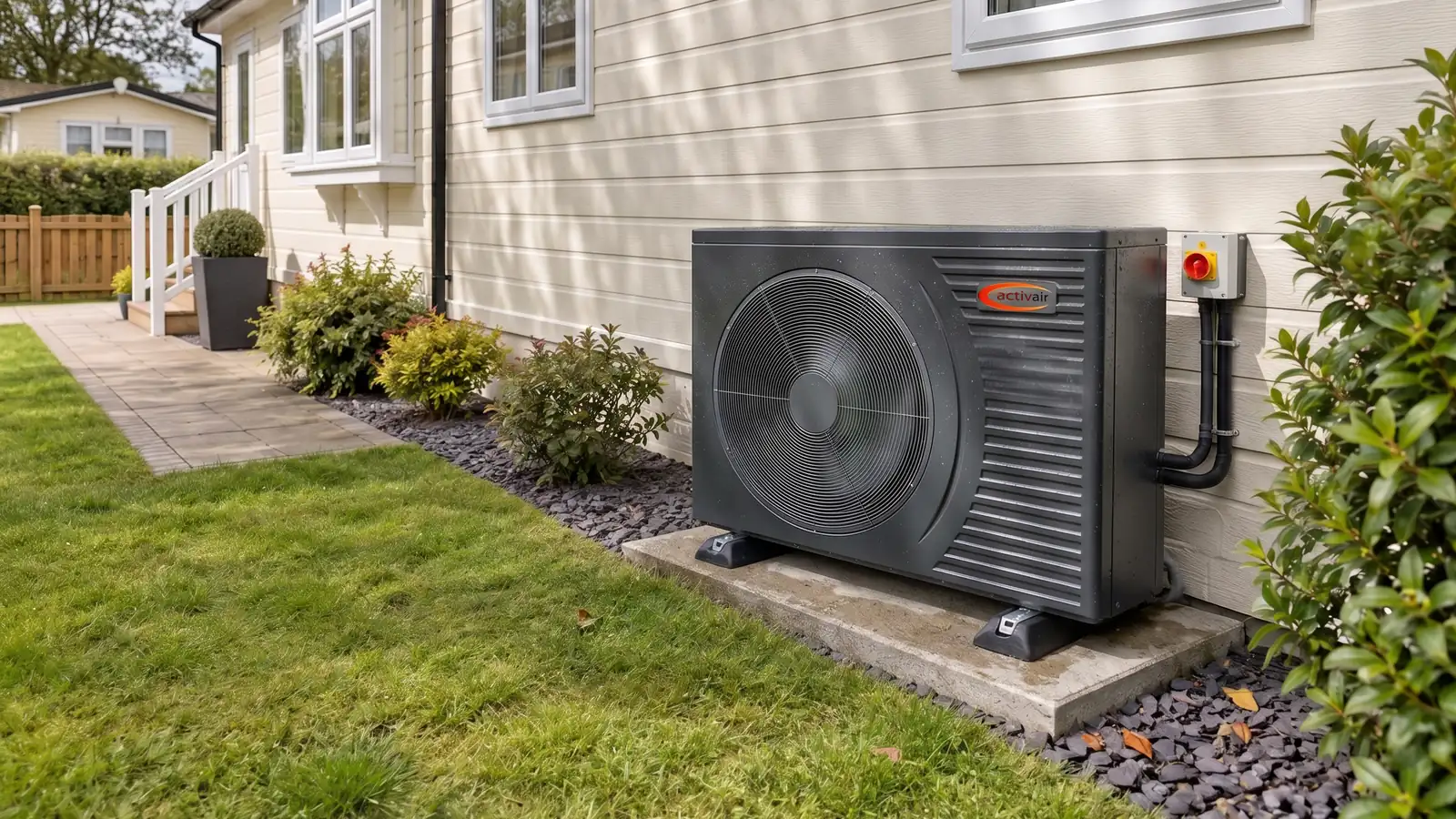






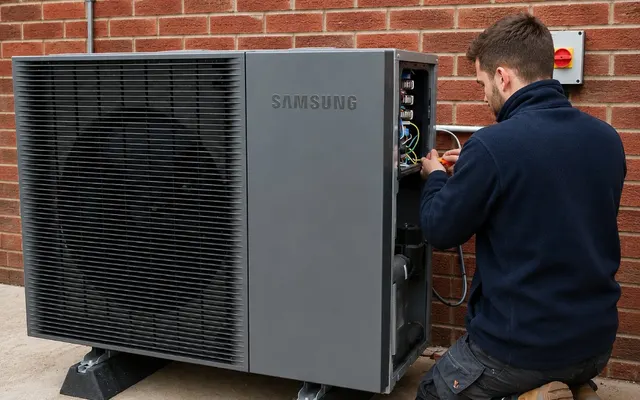




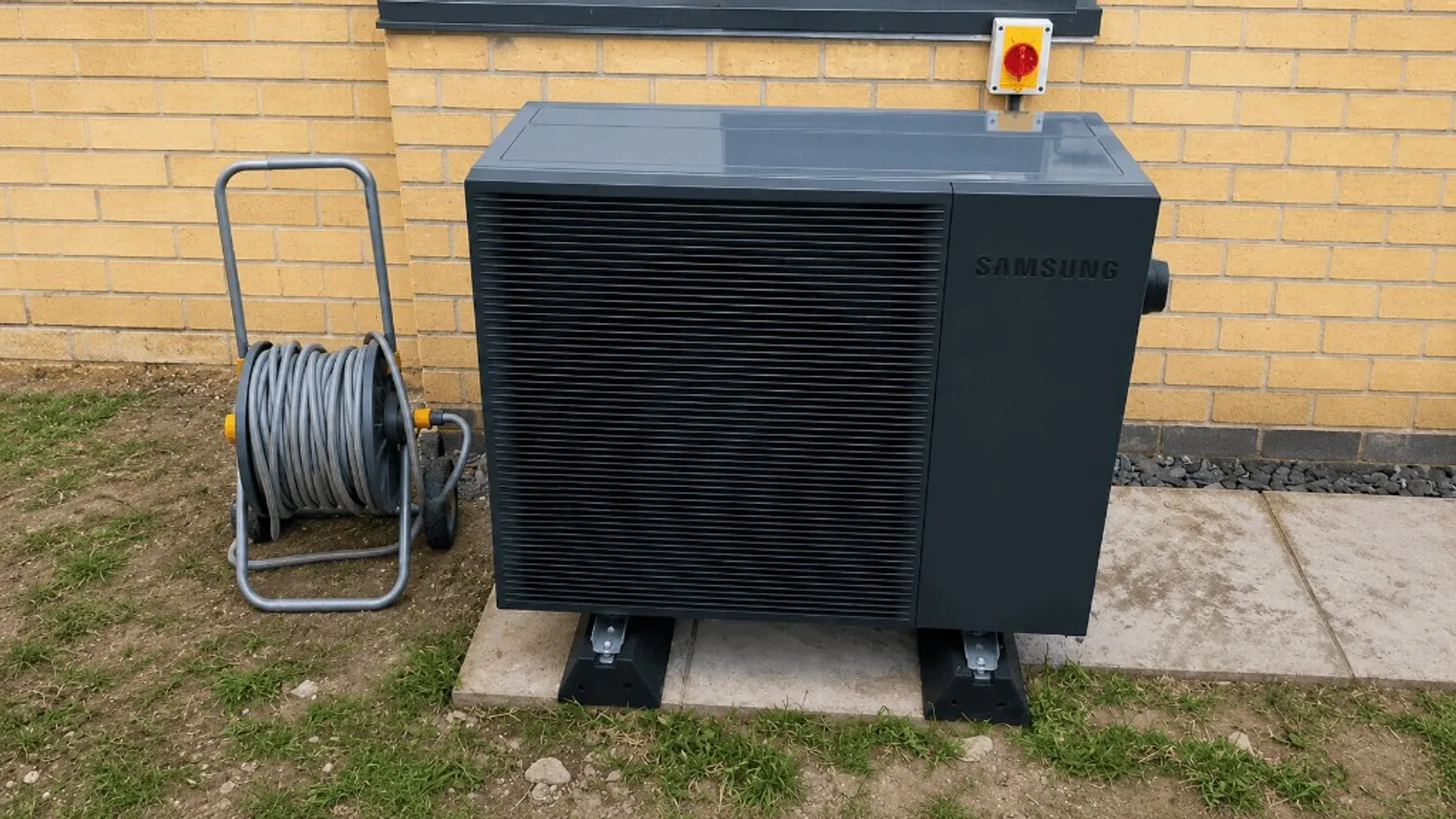
The Boiler Upgrade Scheme (BUS) had its biggest rewrite since launch on 28 April 2026, when The Boiler Upgrade Scheme (England and Wales) (Amendment) Regulations 2026 (SI 2026/390) came into force. Four changes matter for homeowners booking an air-to-water heat pump: the EPC requirement is gone, the scheme now runs to 2030, MCS certification is statutory, and a new £2,500 grant tier covers air-to-air systems in homes. The headline £7,500 rate for air-to-water heat pumps is unchanged.
The four changes that matter
1. No EPC required to apply
Before 28 April 2026, many retrofit BUS applications needed a valid Energy Performance Certificate meeting scheme rules. That blocked some older homes, park homes, and properties where the owner never commissioned an EPC.
From 28 April, an EPC is optional. If one exists, your installer includes the certificate number. If not, they submit alternative evidence on your behalf:
- A utility bill dated within the last three months, or the most recent fuel receipt available
- Photographs of the existing heating system
- An expired EPC certificate number, if one is on record
Ofgem’s BUS installer guidance version 5 sets out the evidence route. Installers must still meet MCS design and pre-sale standards for the technology being fitted. Removing the EPC gate does not relax technical requirements on the install itself.
2. Scheme extended to 2030
BUS was previously scheduled to close in 2028. The April 2026 regulations extend it to 31 March 2030, matching the longer runway in the Warm Homes Plan.
The government also approved a £400 million BUS budget for 2026-27, the largest single-year allocation since the scheme launched in May 2022. For homeowners, the practical signal is that BUS is not winding down, and uptake has followed: August 2026 was the scheme’s second-busiest month for applications. Grants remain the primary route for funded heat pump uptake in England and Wales.
3. MCS certification is now in law
“Installer” is now defined in the regulations as a person certified by the Microgeneration Certification Scheme for the technology being installed. That was always the practical rule; it is now statutory.
For you, the check is simple: if your installer is not on the MCS contractor register, they cannot claim BUS on your behalf, regardless of install quality. UKEM is MCS-registered for air source heat pumps and holds membership with an approved consumer code (HIES), which Ofgem requires under the redeveloped MCS installer scheme.
4. Air-to-air heat pumps added at £2,500
BUS now includes a £2,500 grant for air-to-air heat pumps in residential properties only. Air-to-air systems heat rooms with conditioned air rather than feeding a wet radiator or underfloor circuit.
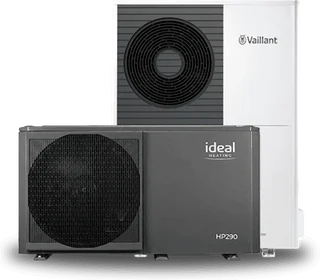
UKEM fits air-to-water heat pumps (Samsung, Vaillant, Ideal and Trianco), which connect to your existing wet heating system and qualify for the £7,500 tier. If you are comparing technologies, the heat pump vs gas boiler guide explains where air-to-water wins for whole-home heating and hot water.
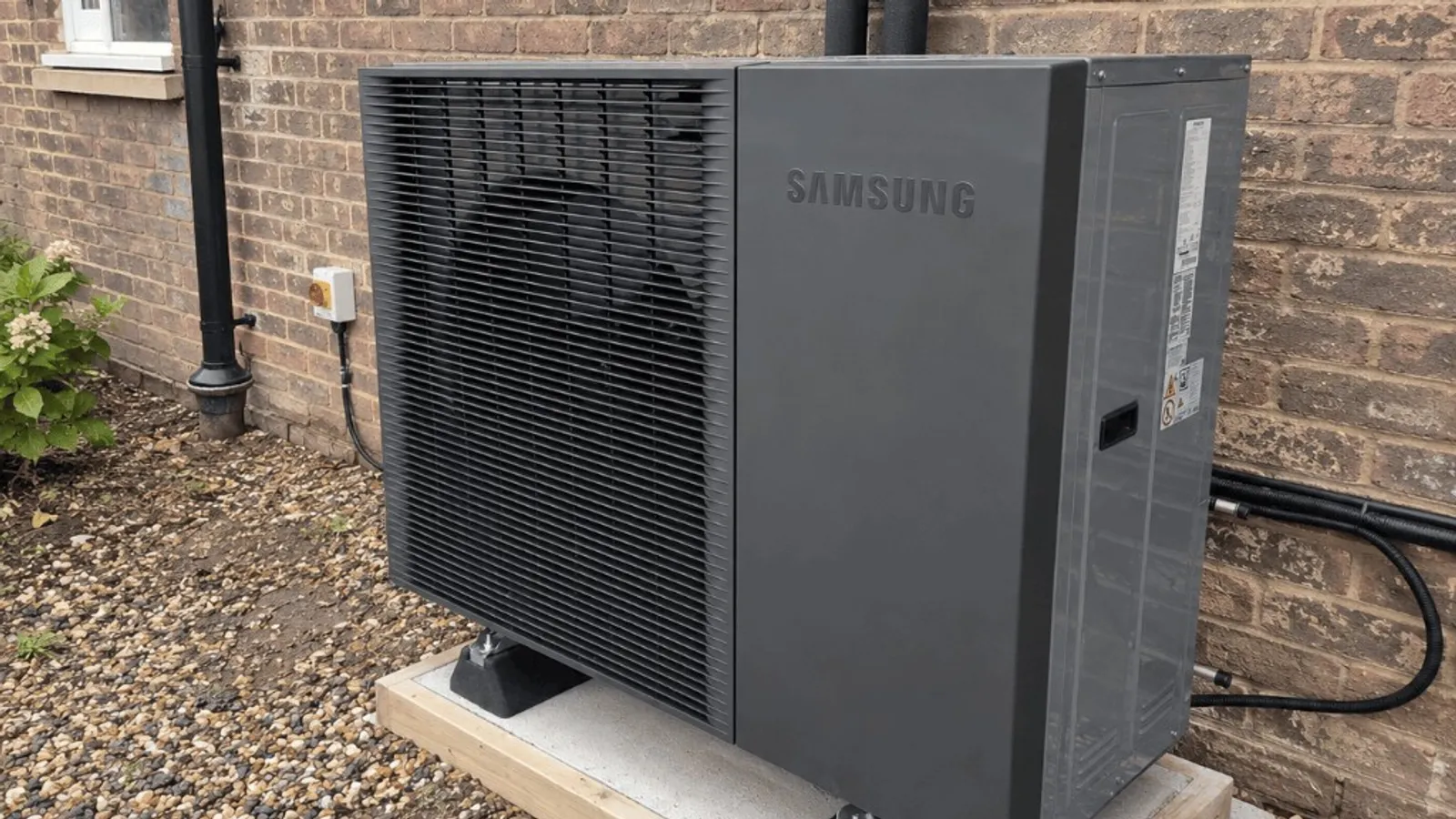
Grant amounts at a glance (July 2026)
| Technology | BUS grant | Notes |
|---|---|---|
| Air-to-water heat pump | Up to £7,500 | Main UKEM product line; replaces fossil fuel or electric heating |
| Ground source heat pump | Up to £7,500 | Includes water source and shared ground loops |
| Air-to-air heat pump | Up to £2,500 | Residential buildings only |
| Biomass boiler | Up to £5,000 | Off-gas-grid properties where heat pumps are not suitable |
| Air-to-water or ground source (oil/LPG uplift) | Up to £9,000 | Live since 21 July 2026, until 31 March 2027, for eligible off-gas-grid homes |
Grant values are set by the Secretary of State and published on gov.uk. Your installer applies on your behalf; the grant is deducted from your quote before you pay the remaining balance.
What did not change
Several BUS fundamentals are the same:
- England and Wales only. Scotland uses Home Energy Scotland; Northern Ireland has separate schemes.
- Installer-led applications. You do not apply to Ofgem directly.
- Upfront discount. The grant comes off your invoice, not as a rebate months later.
- Voucher validity. Three months for air-to-water and air-to-air; six months for ground source.
- New builds excluded. BUS targets retrofits in existing homes, not properties built after scheme rules took effect.
Why the EPC removal matters in practice
The EPC rule blocked BUS in homes where:
- The certificate had expired and the owner did not want to pay for a new one before committing to a heat pump
- The property type made EPC data unreliable (some park homes, annexes, and rural conversions)
- Insulation recommendations on an old EPC created confusion about whether BUS was “allowed”
Removing the standing EPC requirement clears those bottlenecks. Your installer still sizes the system against your home’s heat loss and may recommend insulation improvements for running costs. That is an MCS design issue, not a grant eligibility gate.
Park homes are the clearest winners: locked out by the EPC rule for years, they now qualify on a fuel bill and photos, and the July oil and LPG uplift stacks on top. We have set out what a heat pump now costs for a park home once the grant is applied.
How UKEM applies BUS
UKEM quotes against the published grant rate active when your application is made, not rumoured future tiers. The workflow:
- Online quote or phone enquiry for your property
- Heat loss survey (required for heat pumps; around two weeks from quote to install)
- Fixed price with BUS discount shown on the quote
- MCS-certified install and commissioning
- Installer redeems the BUS voucher; you pay the balance
See the full grant landscape in our UK energy grants 2026 guide, the BUS sales page, or request a heat pump quote to start with a survey on today’s rules.
Frequently asked questions
Do I still need an EPC to claim BUS after April 2026?
No. From 28 April 2026, a valid Energy Performance Certificate is no longer a standing eligibility requirement. If your home has a current EPC, your installer still supplies the certificate number. If not, the installer provides alternative evidence such as a recent utility bill, fuel receipt, and photographs of the existing heating system, as set out in Ofgem's BUS guidance.
How much is the BUS grant for an air source heat pump?
Up to £7,500 for eligible air-to-water and ground source heat pumps in England and Wales at the time your voucher redeems. That is the grant tier UKEM quotes against for Samsung, Vaillant, Ideal, and Trianco air-to-water systems. Air-to-air heat pumps qualify for a separate £2,500 tier in residential properties only. Always confirm live figures on gov.uk.
Who can apply for BUS on my behalf?
Only an installer certified by the Microgeneration Certification Scheme (MCS) for the technology being fitted. From April 2026 that requirement is in the primary regulations, not just installer guidance. UKEM is MCS-registered and applies for the grant as part of your install, with the discount taken off your quote before you pay the balance.
Has the BUS grant changed for oil or LPG homes?
A separate uplift has run since 21 July 2026 and continues to 31 March 2027, paying up to £9,000 toward an eligible air-to-water or ground source heat pump when you replace oil or LPG heating. Mains gas homes stay on the standard £7,500 rate. See our BUS grant explainer for how UKEM applies published rates.
Should I delay my heat pump quote until the rules settle?
No. The April 2026 changes mostly remove paperwork barriers (EPC) and extend scheme certainty to 2030. Sitting in a cold house waiting for a bigger grant usually costs more in fuel than locking in a quote on today's published rate. UKEM progresses survey, design, and BUS paperwork on the rules active when your application is made.
Last updated: