





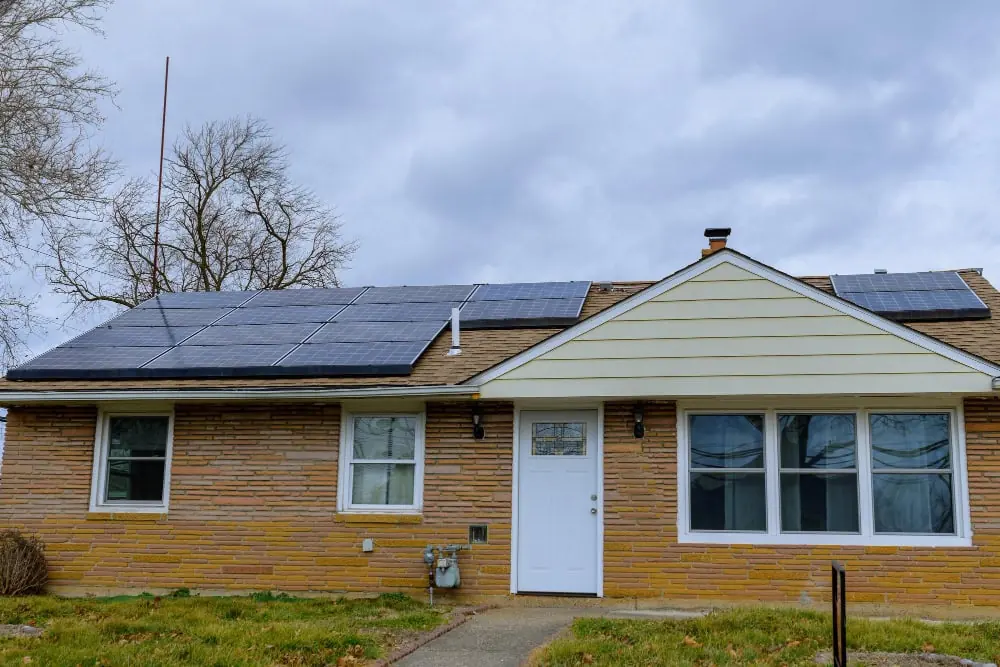
The Smart Export Guarantee (SEG) is how UK homeowners get paid for solar electricity they send to the grid. Since the Feed-in Tariff closed to new applicants, SEG is the main export route: you pick a licensed supplier’s export tariff, register your MCS-certified system, and receive payments for measured export. Export pays roughly 3-16p per kWh on many widely available 2026 flat tariffs (some exclusive install-linked deals pay more); import is often 24-28p. The gap is why self-consumption and batteries feature so heavily in solar economics.
At a glance
How SEG differs from the old Feed-in Tariff
FiT paid both generation and export, often with deemed export. SEG pays export only, and suppliers must offer a tariff but can set the rate. There is no government-fixed 20-year export price anymore. The upside is flexibility: you can switch SEG suppliers independently in many cases, and technology (smart meters, batteries, time-of-use import) has moved on.
For new installs, the financial model is: reduce import first, export second. SEG still matters, especially on sunny days when the array outruns the house and any battery, but it is rarely the main earner.
Eligibility checklist
- MCS-certified installation registered on the MCS database.
- Grid connection with DNO approval where required (G98 or G99).
- Export meter or smart meter configured to measure export separately.
- Maximum capacity up to 5 MW (domestic systems are far below this).
- SEG contract with a licensed supplier offering an export tariff.
UKEM registers MCS on completion and confirms export metering as part of handover. The solar installation timeline guide walks through where SEG setup sits in the install week.
Export meters and smart meters
Accurate export measurement is non-negotiable. Many homes now use a smart meter that records half-hourly import and export. Older setups may have a dedicated export meter alongside the import meter. If export is not measured, the supplier cannot pay SEG correctly.
Check before you bank on a rate. SEG is GB-wide, but signing up depends on your meter, your DNO, and the supplier you choose. Before you plan around a headline export tariff, confirm with that supplier that they can register your property. Practical blockers include: no export-capable smart meter yet (rollout still lags in some rural postcodes), an export MPAN still being created by your local DNO (often one to four weeks, sometimes longer), or a tied tariff that requires a specific import supplier or battery your home does not use. Generation and bill savings from self-consumption start at commissioning; export payments follow once registration completes.
Your gas meter and electricity meter sit on separate supplies; solar export is an electricity flow only. Adding panels does not change how gas is billed, though self-consumed solar can offset the electricity portion of a heat pump or EV load.

Typical rates and how to compare tariffs
SEG rates move with supplier strategy, not Ofgem’s price cap directly. Some pay a flat 5p export; others exceed 15p for customers on bundled import deals. Compare:
| Factor | Why it matters |
|---|---|
| Export p/kWh | Direct payment for surplus |
| Import p/kWh | What you pay when the sun is not generating |
| Standing charge | Fixed daily cost on both fuels |
| Time-of-use windows | Cheap overnight import pairs well with a battery |
A low export rate hurts less if you self-consume 70-80% with a battery. Without storage, households out at work may export 50-60% of generation at the lowest rate.
Signing up after install
Steps are usually:
- Confirm MCS certificate and install registration.
- Ensure export metering is live and visible to your supplier.
- Choose an SEG tariff (sometimes the same firm as your import supplier).
- Submit MCS certificate and meter details.
- Receive export payments on the supplier’s billing cycle.
Allow a few weeks after commissioning for supplier admin and DNO export MPAN setup. Generation can start before SEG payments do; you simply export without payment until the tariff is active. If your preferred supplier cannot register you yet, compare another SEG licensee on the Ofgem supplier list; your SEG supplier does not have to match your import supplier, though bundled deals often pay more when they are available to your address.
Batteries, EVs, and export volume
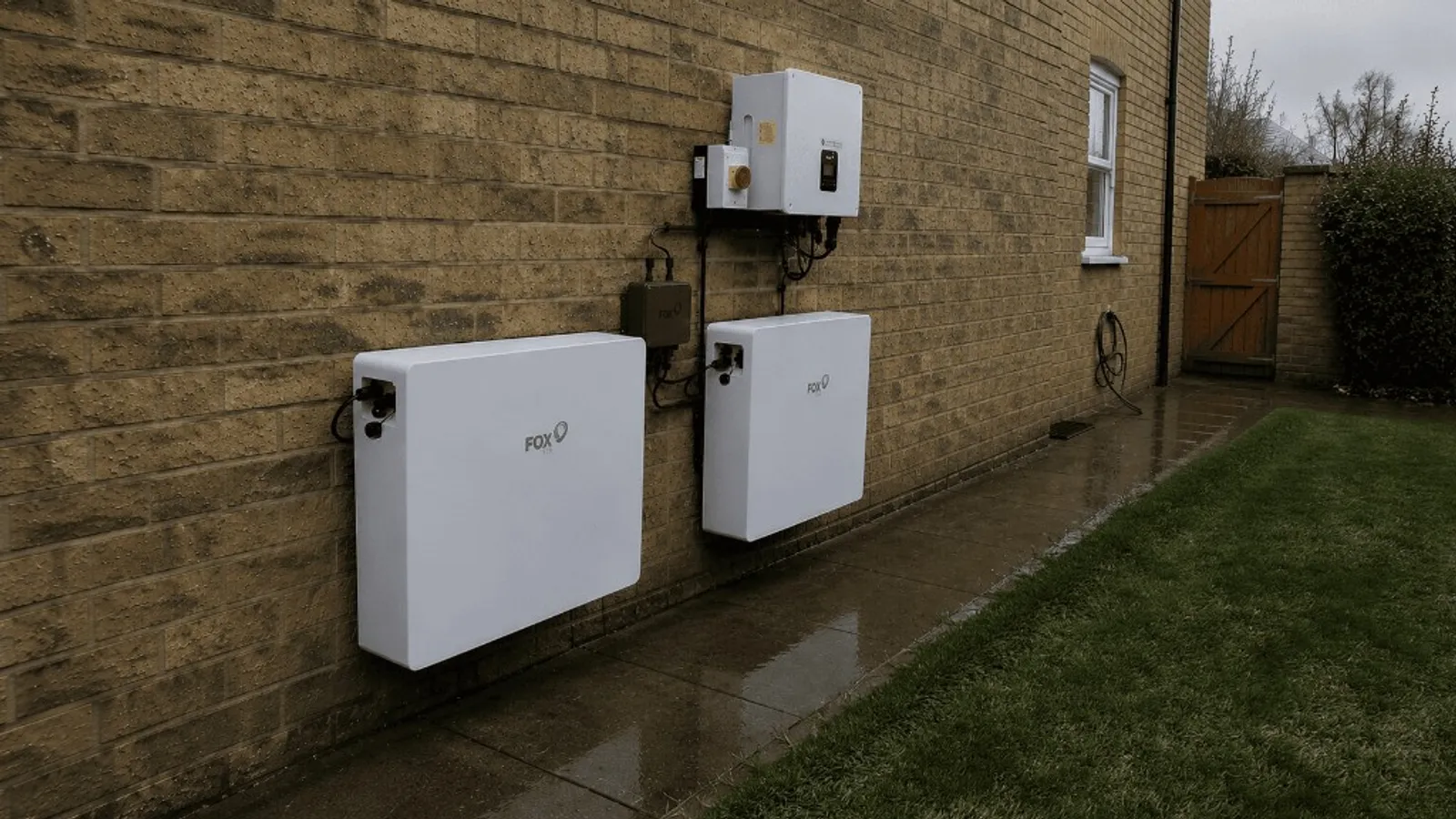
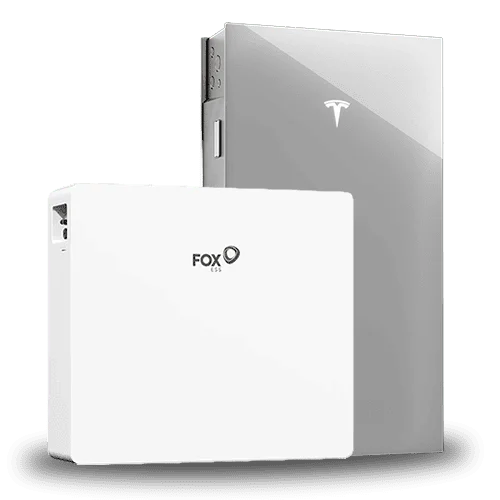
A home battery shifts kWh from export to evening self-use. You earn less SEG but avoid buying those kWh back at import price. An EV charger with solar scheduling can absorb surplus without a battery; see home EV charging costs for how solar diversion affects pence per mile.
Retrofit batteries on existing arrays stay SEG-eligible when installed correctly. Hybrid inverter swaps and AC-coupled add-ons both work; UKEM confirms the route before quoting.
SEG and VAT on storage
SEG is an export payment, not a grant. Battery storage is zero-rated for VAT under energy-saving materials relief until March 2027, which lowers the installed cost of adding storage even though SEG rates stay supplier-set.
0% finance is available on home battery storage (a 25% deposit applies), with no-deposit pay-monthly options on solar systems, subject to status. UKEM Group is an Introducer Appointed Representative of Shermin Finance Limited, authorised and regulated by the Financial Conduct Authority. Shermin Finance Limited acts as a credit broker, not a lender. Terms on the finance page.
What to read next
- Is battery storage worth it for import vs export maths.
- SEG payments hit £57m in year five for what suppliers actually paid out.
- Solar panel installation timeline for MCS and meter setup at handover.
- UK energy grants for 2026 for BUS, OZEV, and VAT alongside SEG.
Frequently asked questions
What is the Smart Export Guarantee?
The Smart Export Guarantee (SEG) is the UK scheme that requires licensed electricity suppliers to pay small-scale generators for renewable electricity exported to the grid. It replaced the old Feed-in Tariff export leg. You sign up with a supplier that offers an SEG tariff; they pay for measured export, usually monthly or quarterly, based on your smart meter or export meter readings.
Who qualifies for SEG payments?
You need a grid-connected solar (or other eligible renewable) system up to 5 MW, installed by an MCS-certified installer, with an export meter that can measure outbound flow separately from import. The install must be registered on the MCS database. Ofgem publishes the rules on the SEG scheme page.
How much does SEG pay per kWh?
Export rates vary by supplier and change over time. Many widely available flat SEG tariffs sit in a 3-16p per kWh band, while standard import is often 24-28p on a typical 2026 tariff. Some install-linked exclusive deals pay more. Some suppliers bundle SEG with import deals; others pay a flat export rate regardless of your import supplier. Shop on unit rate and standing charge together, not export alone.
Does a battery affect SEG payments?
Yes. Storage soaks up daytime surplus, so you export less but use more at home at import value. That trade usually improves overall economics when import is much higher than export. You still export what the battery cannot store on long summer days. See the battery worth-it guide for the maths.
Can I get SEG if I add a battery to existing solar?
Yes, provided the retrofit stays MCS-registered and the export meter still reads correctly. UKEM handles DNO notification where needed. The battery retrofit guide covers hybrid vs AC-coupled routes and what stays compliant.
Is SEG available in every area?
SEG applies across Great Britain, but registration is not automatic. You need an export-capable smart meter, an export MPAN from your local DNO, and a SEG supplier willing to take your meter type. Rollout and admin times vary by postcode; some rural homes wait longer for smart meters or export MPAN creation, and a tied tariff you see advertised may not be offered to your address. Ask your chosen supplier before you model payback around export income. Bill savings from self-consumption still apply even if SEG signup takes a few weeks.
Last updated: