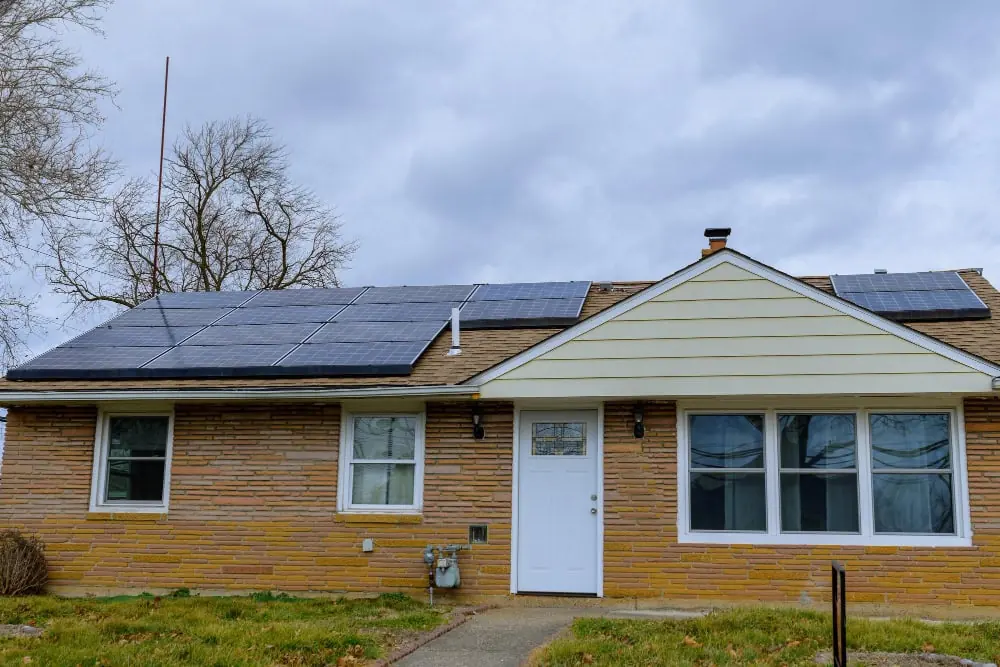






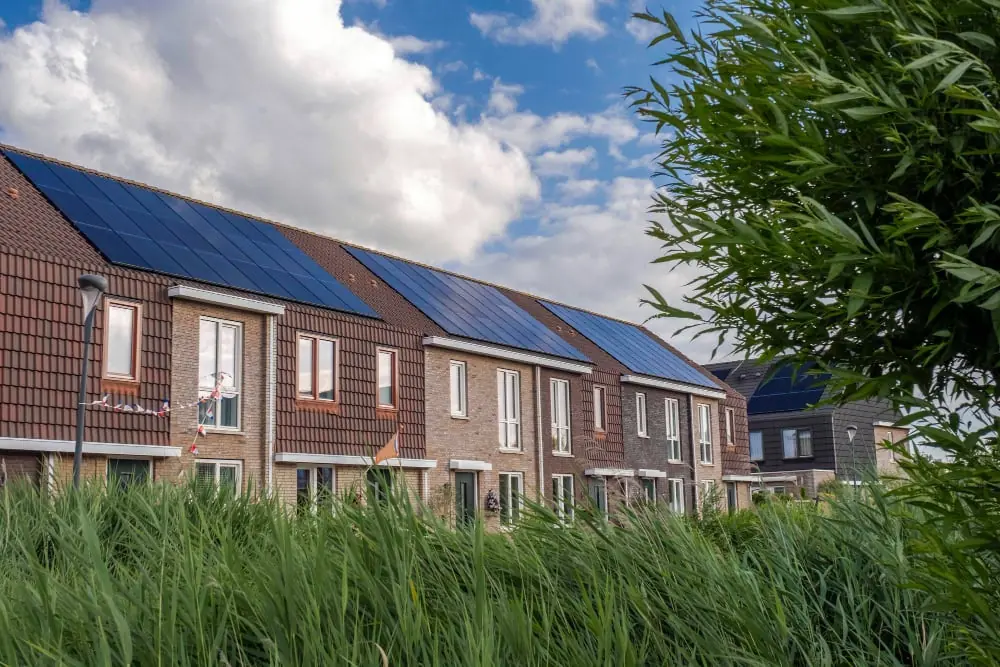
Most UK homeowners go from accepted solar quote to a generating roof in around one week. On-site fitting is typically one to two days for the panel array itself, with scaffolding booked for the install week and removed once commissioning finishes. Unlike heat pumps, solar does not need a home survey before pricing; we size from your roof layout, annual electricity use, and any plans for an EV or battery. If you would rather not pay for the install upfront, you can spread the cost over monthly payments. The timeline below is what UKEM customers see from enquiry to handover.
At a glance
Step 1: Quote and roof check
The process starts online or by phone. We ask about roof orientation, shading, annual kWh use, and whether you want storage or are planning an EV. For most homes that is enough to produce a fixed installed price without a site visit. Photos of the roof, consumer unit, and any existing inverter label help us confirm rail layout and cable routes before we book a date.
If you are still sizing the array, the how many solar panels guide walks through kWp against your bill. If storage is part of the plan, read the battery worth-it guide alongside the timeline here.
Step 2: Scaffolding and install date
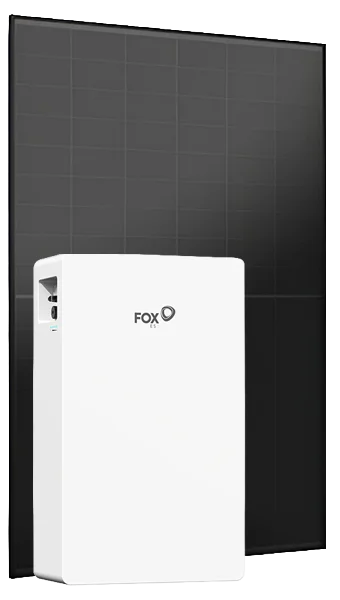
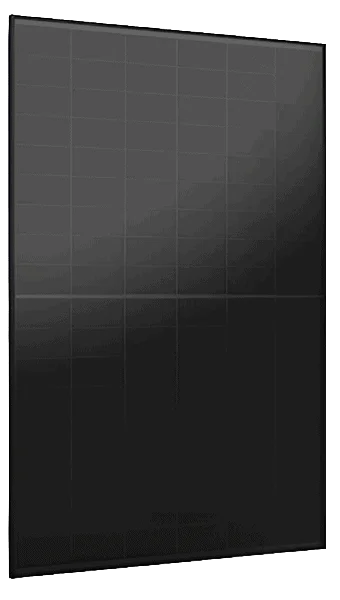
Once you accept the quote, we agree an install week and book scaffolding where it is needed. Terraced and semi-detached roofs are routine; the rail system follows the roof pitch and fixings are sealed to manufacturer spec. UKEM installs all-black N-type panels from Tier-1 manufacturers on domestic jobs; panel count follows the kWp on your quote.

Step 3: On-site fitting (one to two days)
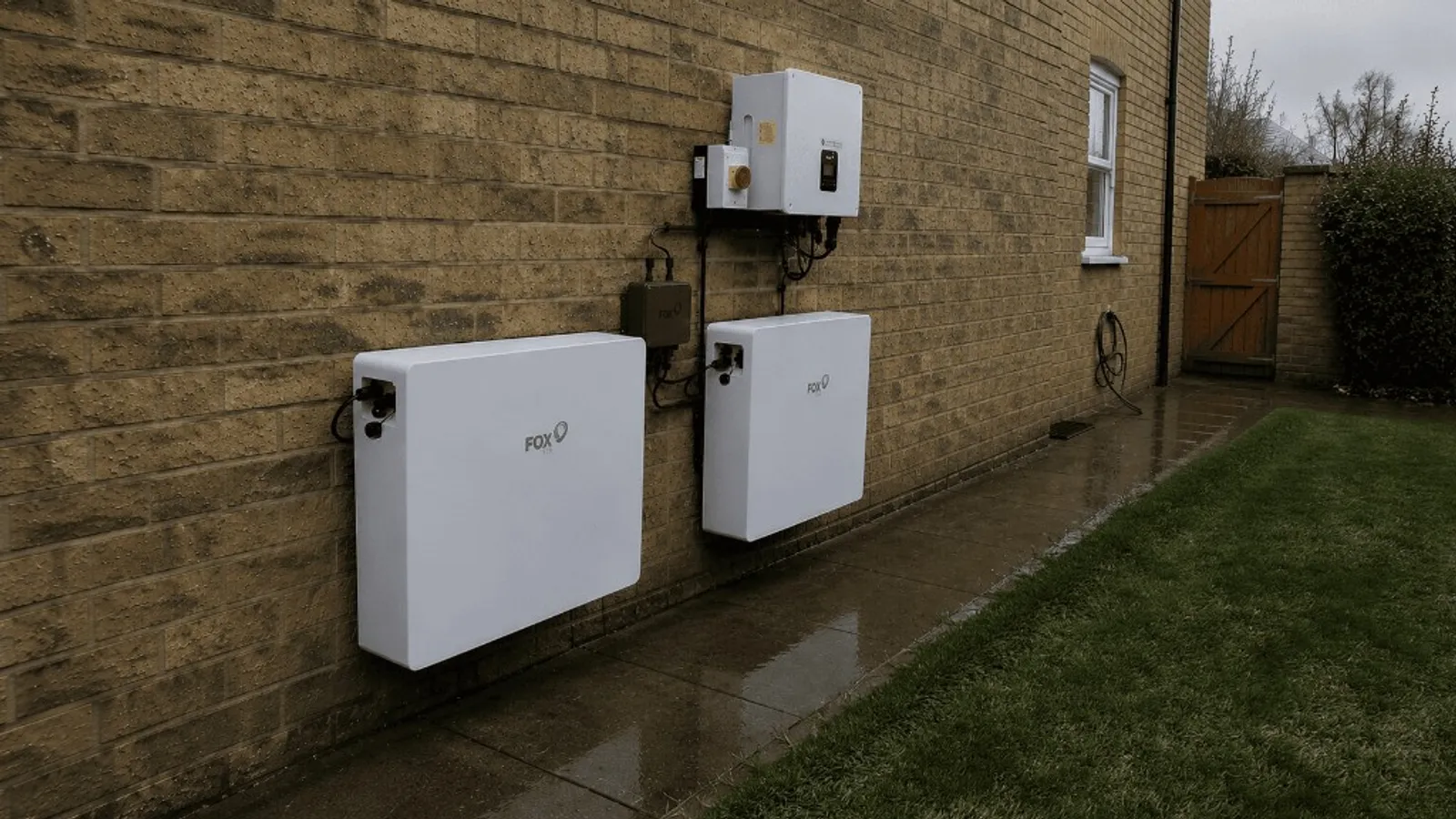
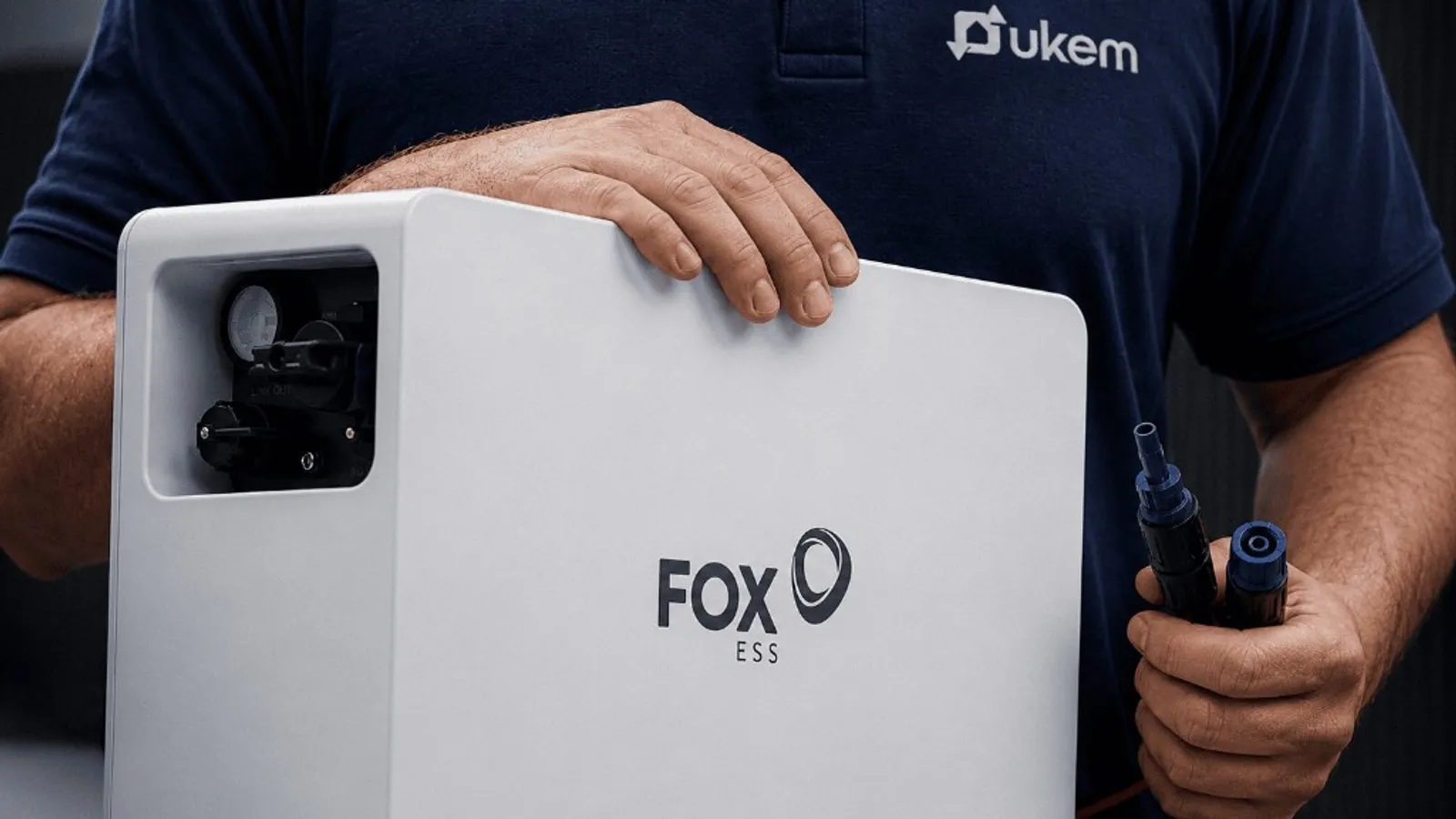
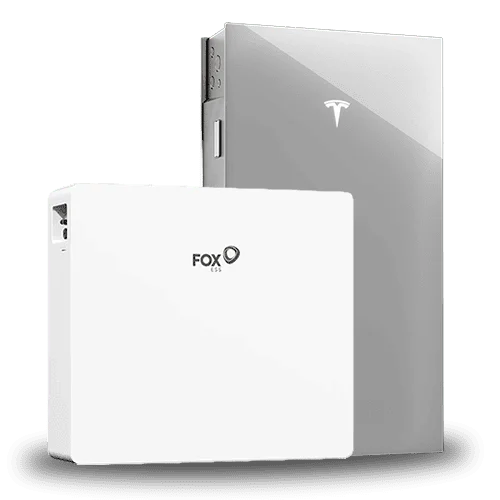
Day one is usually scaffolding, roof rails, and panel mounting. Day two covers inverter connection, AC wiring to the consumer unit, isolators, and initial commissioning. If you add a Fox ESS or Tesla Powerwall 3 battery in the same visit, wall hardware and extra commissioning sit alongside the solar work; battery-only retrofits on existing arrays are often around one day on site.
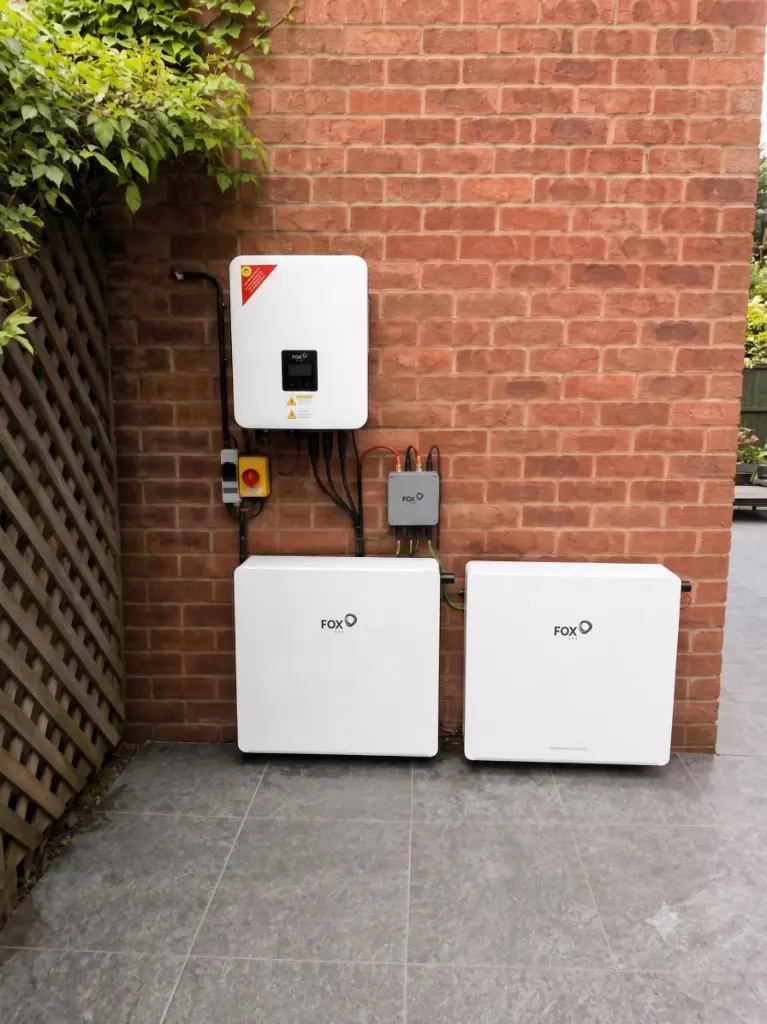
The engineer tests the array, pairs the monitoring app, and sets export limits where the DNO requires them. You should plan clear access to the consumer unit, loft if cables run through it, and the battery wall if storage is included.
Step 4: DNO notification or G99 approval
Single-phase systems with up to 3.68 kW inverter output follow G98: fit first, notify the DNO after commissioning. Arrays above that threshold need G99 pre-approval; UKEM submits the application and waits for the DNO before energising. Three-phase homes have different limits; we confirm the route on your quote.
This step is separate from MCS registration but equally important for legal grid export. If you already have solar and only add a battery, see the adding a battery to existing solar guide for retrofit-specific DNO rules.
Step 5: MCS sign-off, SEG, and handover
At handover you receive MCS documentation, monitoring login details, and a walkthrough of what normal generation looks like by season. To earn export payments you still need a compliant export meter and a supplier Smart Export Guarantee tariff. Confirm with your chosen SEG supplier that registration is workable at your address (export-capable smart meter, export MPAN from your DNO, and acceptance of your meter type) before you bank on a headline rate. The SEG explained guide covers signup checks and typical rates.
Manufacturer panel warranties run up to 25 years on performance; inverter and battery warranties are shorter and vary by product. UKEM adds a 2-year workmanship warranty on the install.
Adding a battery later
If you install panels first and add storage within a few years, the retrofit route avoids replacing the array. Hardware mounts on an external wall or in a garage, and the timeline is typically three to five days quote to install with around one day on site for a straightforward job.
What to read next
- Smart Export Guarantee explained for export tariffs after go-live.
- Is battery storage worth it if you are deciding on storage at quote stage.
- Solar and battery storage product page for brands, finance, and how to get a fixed price online.
Frequently asked questions
How long does a solar panel installation take in the UK?
From accepted quote to a live, generating system is typically around one week for a standard domestic install. On-site roof work is usually one to two days: day one for scaffolding and rail mounting, day two for panels, inverter wiring, and commissioning. If you add a home battery in the same visit, wall mounting and extra commissioning may extend the job by a day. Larger arrays that need G99 DNO pre-approval can add one to three weeks before fitting starts.
Do I need scaffolding for solar panels?
Most two-storey homes need scaffolding on the panel elevation so installers can work safely at the eaves and ridge. Single-storey bungalows and some accessible rear roofs may not. Scaffolding hire is included in UKEM's fixed quote; we book it for the install week and remove it once the array is commissioned and the roof is checked.
What is G98 and G99 for solar?
G98 covers grid-connected systems up to 3.68 kW of inverter output on single-phase: the installer fits first and notifies the Distribution Network Operator (DNO) afterwards. G99 applies above 3.68 kW and requires DNO approval before commissioning. UKEM submits the correct application for your array size and waits for approval on G99 jobs before switching the system on.
Will my power be off during solar installation?
Expect short planned outages while the inverter connects to your consumer unit and export meter. Total downtime is usually a few hours on the final day, not the full install window. Generation starts once commissioning and any required DNO steps are complete.
Do I get an MCS certificate after solar is fitted?
Yes. UKEM registers the install on the MCS database and hands over the certificate at completion. You need MCS registration to join a Smart Export Guarantee tariff and to show future buyers the system was installed to standard.
Last updated: