





 Abbie Hall
 Frequently asked questions
How much do solar panels cost in the UK?
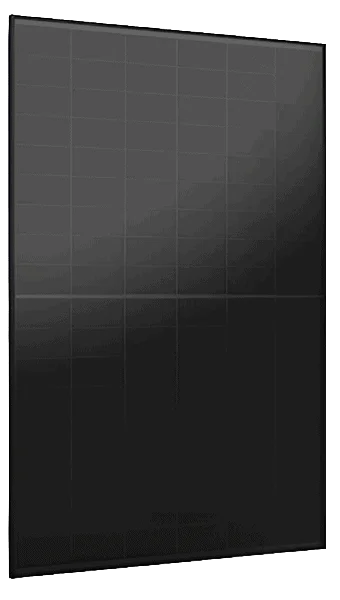
A typical residential solar panel system costs between £5,000 and £12,000+, depending on system size, roof layout, and whether you add battery storage. UKEM installs systems from 6 panels (2.67 kW), with larger systems available where suitable. Get a fixed, personalised price through our online quote tool.
Is solar worth it without a battery?
Yes, for plenty of homes. Solar-only systems have the lowest upfront cost (from around £5,300 fully fitted) and pay back faster than a combined system, usually inside 7 to 10 years. They suit anyone home during the day, or running an EV or appliances on daylight hours. The trade-off is weaker evening cover: anything you don't use is exported under the Smart Export Guarantee rather than stored, so a strong export tariff matters. If you're out most days and use power mainly in the evening, see our combined solar and battery systems.
Can I add a battery later, and what does it cost?
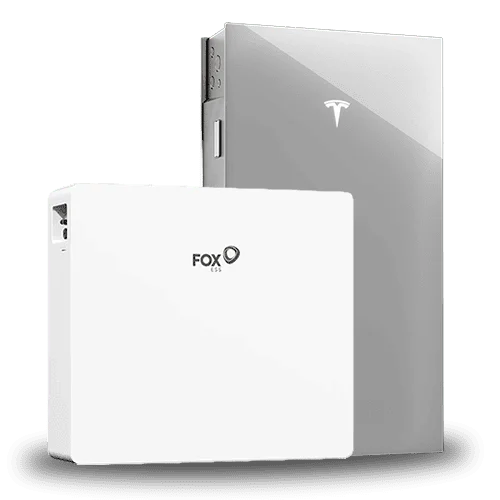
Yes. Most retrofits use an AC-coupled battery that works alongside your existing inverter rather than replacing it, so the panels stay put, and fitting takes about a day with no roof work. A standalone retrofit typically runs from around £4,000 to £12,000+ by capacity (Fox ESS 5.76 kWh up to Tesla Powerwall 3 at 13.5 kWh with whole-home backup). Bundling the battery into your original solar install is usually £1,500 to £4,000 cheaper than retrofitting later, since it's one site visit and one MCS submission. See our battery-only options.
Which Smart Export Guarantee tariff pays the most?
SEG rates currently sit between roughly 3p and 16p per kWh, and the leaders move around. In June 2026, Ecotricity pays around 16p and EDF around 15p, though both usually require you to buy your import electricity from the same supplier. Octopus Outgoing pays around 12p with no tie-in, while typical default tariffs pay 3p to 8p. You can switch export supplier independently of import, so check the Ofgem SEG list at install and review it yearly. Without a battery your export volume is higher, so a strong rate really moves year-one returns.
How can I use more of my solar without a battery?
The goal is self-consumption, using your generation directly instead of exporting it cheap and buying it back expensive. Two habits move the needle most. First, schedule heavy appliances (dishwasher, washing machine, tumble dryer) to run between 11am and 3pm, when generation peaks. Second, if you have an EV, set your charger to solar mode so it tops the car up on surplus during daylight. Together these can lift typical self-consumption well above the 30 percent average for a solar-only system, without buying any extra kit.
Do solar panels work in the UK climate?
Yes. Solar panels generate electricity from daylight, not direct sunshine, so they still perform on cloudy days. You'll generate more in summer and less in winter, but the annual output is usually strong enough to deliver meaningful savings for UK homes.
Do I need planning permission for solar panels?
Usually no. Most domestic rooftop systems are covered by permitted development rights. Exceptions include listed buildings, conservation areas, and some flat-roof setups where panels project above limits. We check this before your installation is booked.
Is it worth getting battery storage with solar panels?
For many homes, yes. Battery storage lets you use more of the electricity your panels generate, especially in the evening when tariffs are higher. That usually increases bill savings and reduces grid reliance. It's often most worthwhile for households out during the day.
What size battery do I need, and how long will it last?
Most homes suit a 5 kWh to 15 kWh battery, sized to how much electricity you actually use rather than a one-size-fits-all rule. A 10 kWh battery typically covers an average household's evening use for around 6 to 12 hours, with electric ovens, immersion heaters, or EV charging shortening that. We size around your daily consumption, whether you want backup power, and any future heat pump or EV plans.
What is the best battery storage for solar system UK?
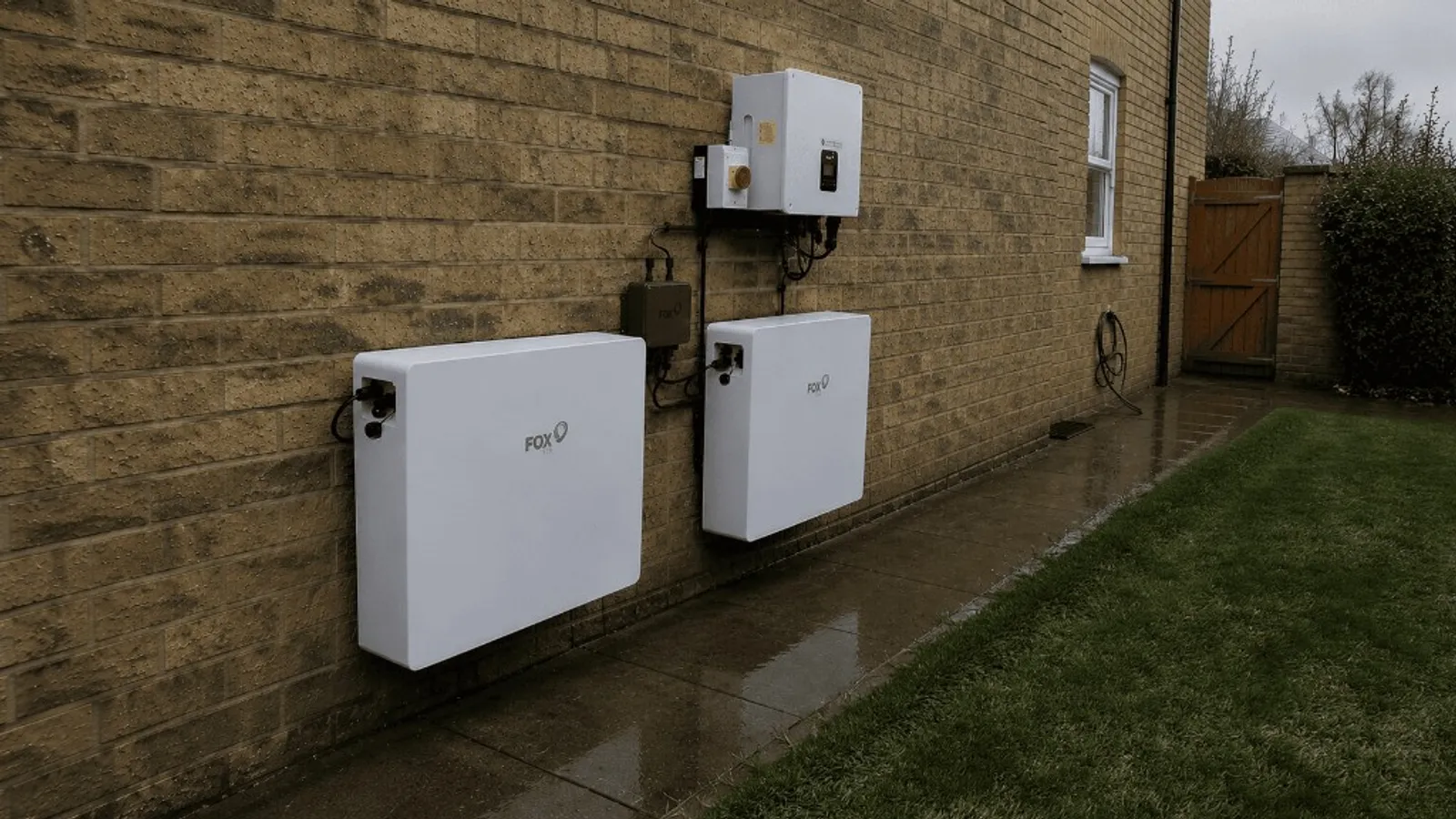
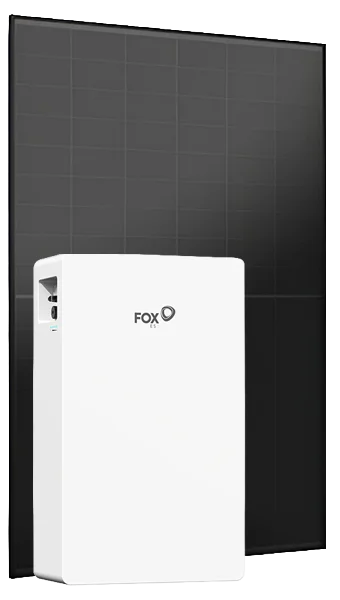
There is no single best battery for every home. In the UK, the best option is the one that matches your usage, budget, and space. We commonly install FOX ESS and Tesla Powerwall systems and recommend based on capacity, efficiency, warranty, and smart controls.
Can I add battery storage to my existing solar panels?
Yes. We fit batteries to existing solar systems, including ones we didn't install. We'll ask a few questions about your current setup, then quote a battery sized to how you actually use electricity. The same options apply: FOX ESS from 6 kWh upwards, or Tesla Powerwall 3 from 13.5 kWh.
How long does solar panel installation take?
Most standard solar installations are completed within around one week. Larger systems or complex roof layouts can take longer. We handle scaffolding, electrical work, commissioning, and MCS paperwork so the process stays straightforward for you.
Are there grants for solar panels in the UK?
Not directly. There's no grant for owner-occupiers buying solar in 2026, but two main supports apply instead: 0% VAT on installation under the VAT relief scheme (running until March 2027), and the Smart Export Guarantee paying you for surplus power. Low-income households may qualify through ECO4 or the Warm Homes Plan. See our grants guide.
How does the Smart Export Guarantee work?
The Smart Export Guarantee (SEG) requires larger energy suppliers to pay you for surplus electricity you export to the grid. Rates currently sit between roughly 3p and 16p per kWh, depending on the supplier and tariff type. You'll need a smart meter and an MCS certificate. Full details on the Ofgem SEG page.
How long does a solar system take to pay back?
Typical UK payback windows sit around 8 to 14 years on solar alone, and shorter with a battery if your usage suits it. The main levers are your SEG rate, how much generation you use directly at home (self-consumption), your import tariff, and whether storage is fitted. Our solar and battery hub covers the maths in more detail.
Will scaffolding be needed for installation?
Yes for most pitched roof installs. Scaffolding is standard for safe access and is usually erected 1 to 2 days before the panels go up, then removed shortly after the work is finished. Single-storey or low-eaves properties sometimes use a tower system instead. We arrange and cost scaffolding as part of the install.
Does the system need maintenance?
Very little. Panels are largely self-cleaning in UK rainfall and have no moving parts. The inverter is the main wearable component, typically lasting 10 to 15 years before replacement. We recommend a quick visual check every couple of years and a system health review if generation drops noticeably below expected output.
Do I need a south-facing roof?
No. South-facing roofs give the highest annual yield, but east-west systems work well too, generating around 15 to 20% less across the year while spreading output more evenly through the day. North-facing pitches generally aren't viable. A split east-west array can suit homes where usage is concentrated morning and evening.
Will solar work with a slate or flat roof?
Yes to both. Slate roofs use specific hook brackets that lift individual tiles rather than drilling through them. Flat roofs use ballasted or fixed mounting frames angled to roughly 10 to 15 degrees for optimal generation. We confirm the right mounting kit and any structural checks as part of preparing your installation.
What happens during a power cut?
By default, most battery systems disconnect from the grid during a power cut for engineer safety. To keep selected circuits live you need an Emergency Power Supply (EPS) or whole-home backup feature, which is a design decision at install. Talk to us about backup needs before your install is booked so the right inverter and wiring are specified.
How long do home batteries last?
Most modern lithium iron phosphate (LFP) home batteries carry a 10-year warranty or around 6,000 cycles, whichever comes first. After that, capacity typically sits at 70 to 80% of the original rating rather than failing outright. Many units continue running well beyond the warranty term. See our battery worth-it guide.
Can I get a solar and battery system on finance?
Yes. Panels, inverter, and battery storage are usually bundled into a single fixed-rate APR agreement, so you have one monthly payment for the whole system. Bundling also means 0% VAT applies under the energy-saving materials relief (running until March 2027). Many households structure repayments so the monthly cost lines up roughly with bill savings and Smart Export Guarantee income. See our finance page for how options are structured.
Will the monthly finance cost be less than my solar savings?
Usually it nets out close to even. Your electricity bill drops from the first month, and that saving plus Smart Export Guarantee (SEG) income covers much of the finance payment, so most households see total monthly outgoings land around the same as before, sometimes slightly higher. The real win comes later: once the finance is cleared, you keep generating your own power for the rest of the panels' 25-year-plus lifespan at next to no running cost. We model both sides at quote stage.
Will applying for solar finance affect my credit score?
There are two separate stages, and only one involves a check. Getting a price for your solar system doesn't touch your credit file at all. Applying for finance does: it runs a full credit check that's recorded on your file. You can apply online for an immediate decision, or we can take you through it, so that check only happens once you choose to go ahead. See our finance page for details.
Can I pay off solar finance early?
Yes. FCA-regulated finance agreements allow early settlement at any time. You request a settlement figure from the lender, which covers the outstanding balance and any interest due up to the settlement date. There are no penalty fees on most agreements, though terms vary by lender. Check the agreement before signing.
Who provides the finance and is it regulated?
Finance is arranged through FCA-authorised lenders. UKEM Group is an Appointed Representative of Shermin Finance Limited, which is authorised and regulated by the Financial Conduct Authority and acts as a credit broker, not a lender. All agreements are fixed-rate APR finance with clear monthly payments and total cost shown up front. Full lender and regulatory details appear on the finance page.
Is it still worth getting solar panels in the UK?
Yes. Panel prices are well below their historic levels, 0% VAT applies until March 2027, and the Smart Export Guarantee pays for every unit you export. A typical home system offsets a large share of daytime electricity use and keeps working for 25+ years under warranty. The maths is strongest if you're home during the day, add a battery, or charge an EV.
Can I install solar panels myself in the UK?
Legally, yes on your own roof, but it rarely makes sense. A DIY install isn't MCS-certified, and without MCS certification most suppliers will refuse you a Smart Export Guarantee tariff, so you give up export income. You also still need to notify your network operator. The exception is the new generation of plug-in balcony solar, legalised for the UK in 2026; see our plug-in solar article.
What are the downsides of solar panels?
The main ones: a four-figure upfront cost, generation that depends on your roof's orientation and shading, scaffolding for a day or two during install, and winter output at a fraction of summer's. Export payments are also lower than the price you pay to import, which is why pairing panels with a battery or EV usually strengthens the case. None of these change the long-term picture for a suitable roof.
Last updated: