





 Abbie Hall
Plug-in solar is now legal in the UK: the kind you mount on a balcony rail and plug into a 13A socket. The Department for Energy Security and Net Zero announced the change on 24 March 2026, and BS 7671 Amendment 4 came into force on 15 April 2026, capping output at 800W per home.
That is a genuine step forward for renters and flat owners who had no legitimate solar option before. If you own your home and your roof is usable, though, plug-in solar is the wrong product. A full rooftop system with battery storage generates several times more electricity, qualifies for the Smart Export Guarantee (SEG), and pays back faster per pound spent. This article covers what changed in the law, who plug-in actually suits, and why most homeowners reading it should be looking at a proper install instead.
What’s legal now
Until April 2026, plug-in solar sat in a regulatory grey area. BS 7671, the UK wiring regulations, treated any source of generation behind the consumer unit as a fixed installation, which ruled out consumer kits plugged into a standard socket. Amendment 4 carves out certified plug-in solar up to 800W peak. The kit sits on a balcony rail, a flat roof edge, or a freestanding ground frame, and the microinverter plugs into a normal 13A outlet.
Two conditions still apply. You have to notify your Distribution Network Operator (DNO) under the G98 process before connection. That is a quick online form, not an approval gate. The British Standards Institution is also finalising a dedicated product safety standard, expected around July 2026. Until then, the safest route is a CPS-registered electrician fitting a kit with CE and UKCA marking. Sunflower Solar has a useful technical breakdown of the 2026 regulations for the full standards detail.
Who plug-in solar actually suits
The policy is aimed at households that could not install rooftop solar at all:
- Renters in flats or houses, where the landlord owns the roof.
- Leaseholders in blocks where roof access is communal property.
- Owners with shaded, north-facing, or structurally unsuitable roofs.
DESNZ paired the legalisation with a £25m pilot announced on 21 April 2026 to put plug-in kits into low-income households. Germany, where plug-in has been legal for years, registered over 1.1 million installs by mid-2025. That context tells you who the product is for.
If none of those constraints apply to you, plug-in solar is not where to spend your money.
If you own your home, skip plug-in
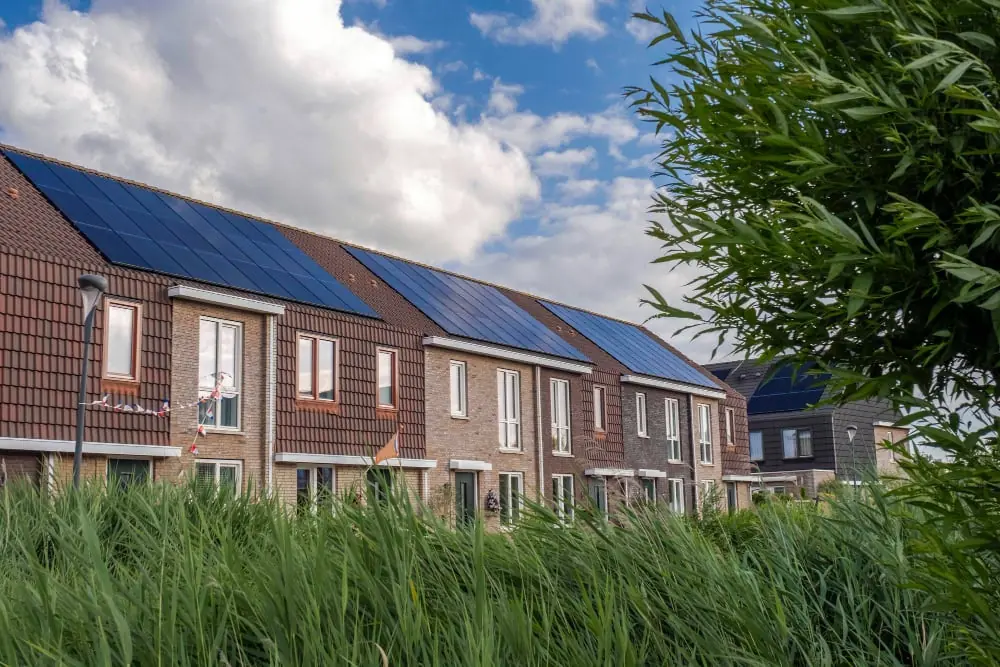
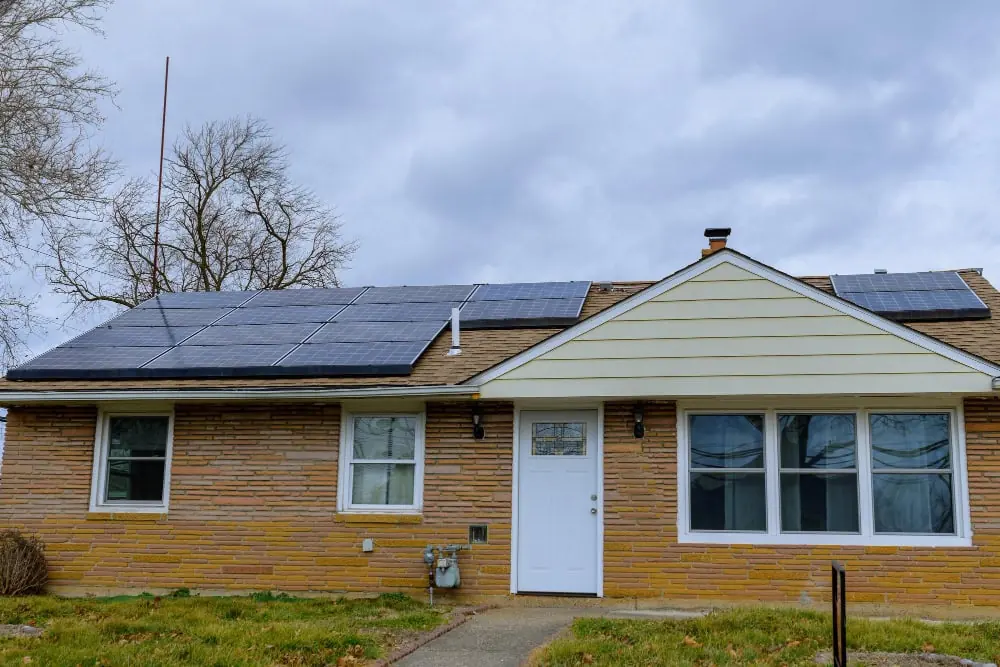
Most UK homeowners who search for “plug-in solar” do not need plug-in solar. They need panels on the roof and, in most cases, a battery to use that power after dark.
A typical plug-in kit generates 500-800 kWh a year in a good spot. A 4 kWp rooftop array on the same property produces 3,400-4,200 kWh. That is the difference between trimming your standby load and covering a meaningful share of household consumption, including evening use if you add storage.
Plug-in also hits hard ceilings that rooftop does not:
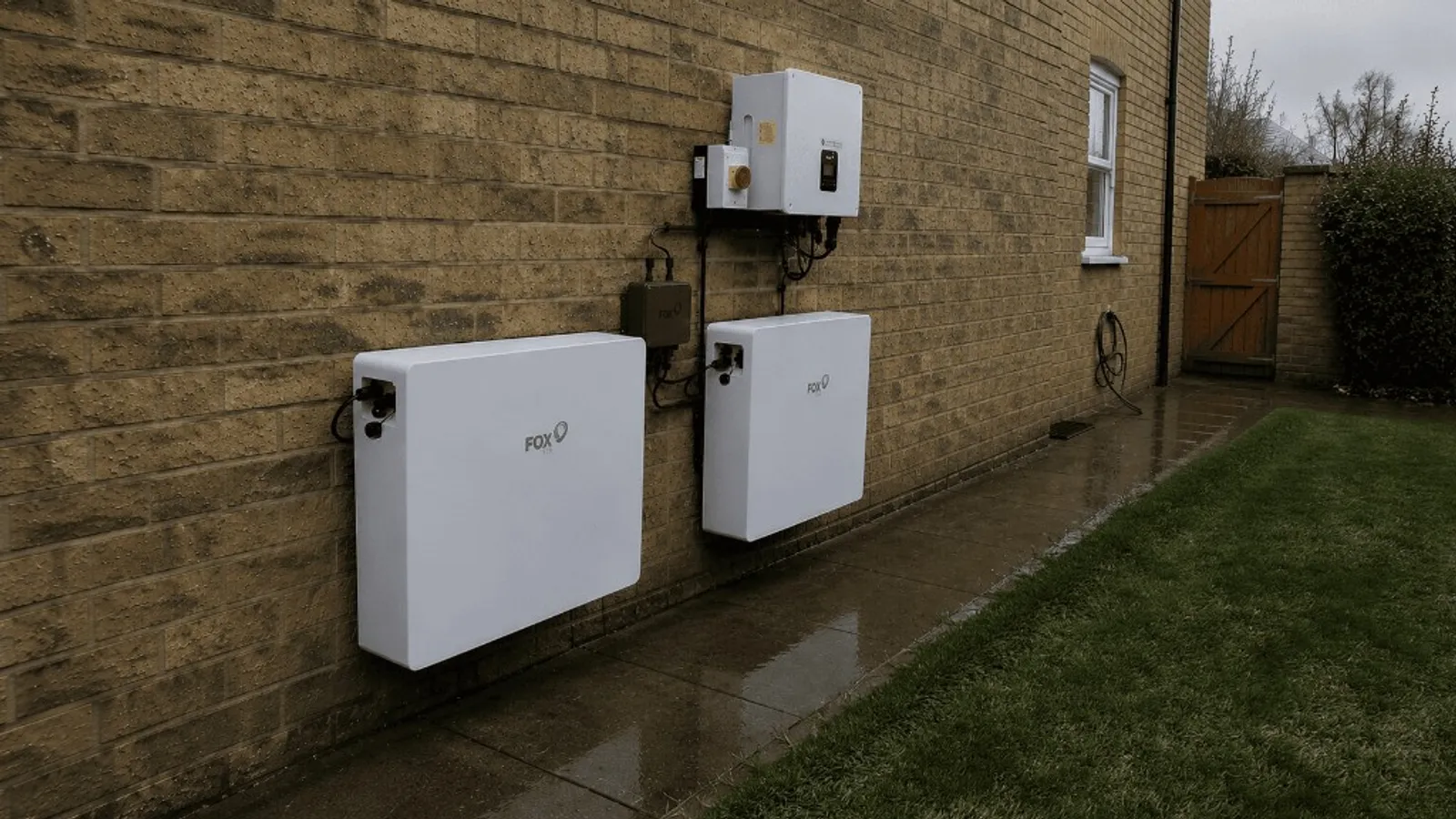
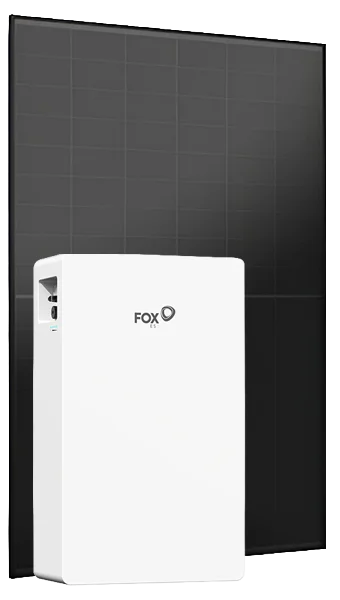
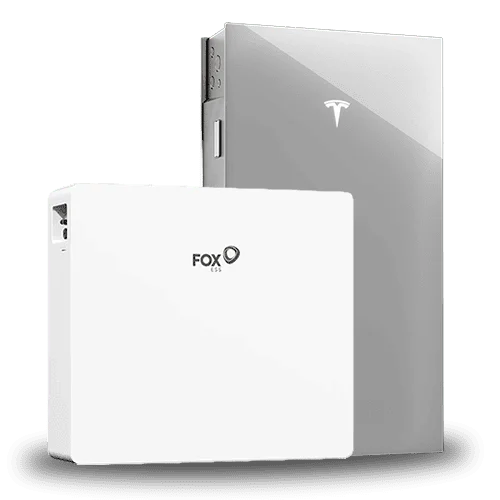
- No battery path. You cannot bolt a 10 kWh home battery onto a balcony microinverter setup. Rooftop pairs cleanly with Fox ESS or Tesla Powerwall 3 storage.
- No SEG in practice. Paid export needs an MCS-certified install and an export meter. Plug-in kits rarely qualify, so surplus generation has no value.
- Shorter lifespan. Plug-in hardware is typically rated for 10-15 years. The rooftop panels we fit carry warranties of 25 years or more.
- Orientation limits. A balcony panel only sees sun from one aspect. A roof array can split across south, east, and west to match when your home actually uses power.
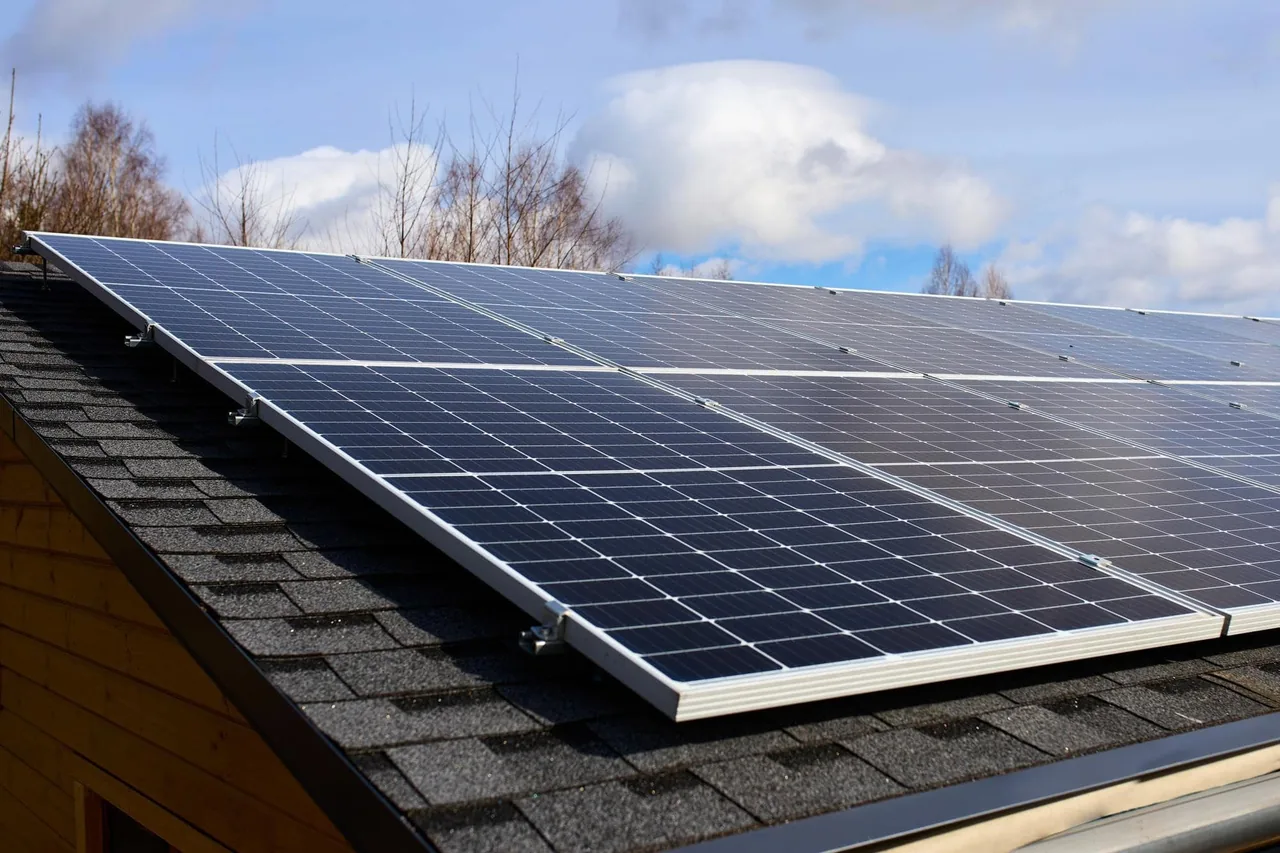
UKEM installs MCS-certified rooftop solar and battery storage across the UK mainland. From accepted quote to panels on the roof, the typical timeline is around a week, with on-site fitting in one to two days. If your roof works, that is the route worth quoting.
How plug-in works in practice
Worth understanding even if it is not your product.
A typical UK plug-in kit is one or two panels of around 400W each, a microinverter wired between the panels and the cable, and a standard 13A plug. The microinverter converts DC to AC and synchronises with mains, so when sun hits the panels your home draws less from the grid.
Output depends entirely on where the panels sit. A south-facing balcony at the right pitch can deliver 250-400 kWh per panel per year. A north-facing wall or heavily shaded balcony might manage half that. Two panels in a good spot offset roughly 500-800 kWh a year, enough for most of a flat’s base load but nowhere near whole-home consumption.
Plug-in vs rooftop solar and battery
The numbers diverge sharply once you compare a plug-in kit to a full rooftop install with storage.
| Plug-in solar (800W) | Rooftop + battery (4 kWp + 10 kWh) | |
|---|---|---|
| Typical kit | 1-2 panels, microinverter, plug lead | ~10 Tier-1 panels, hybrid inverter, Fox ESS or Powerwall 3 |
| Annual generation | 500-800 kWh | 3,400-4,200 kWh |
| Self-consumption | Whatever you use while the sun is on the balcony | 70-80% with a battery (vs ~40% panels alone) |
| Upfront cost | £400-£900 | Systems start from around £5,000 fully fitted |
| Install route | CPS electrician (until BSI std lands) | MCS-certified installer |
| 0% VAT | Yes, if installer-fitted | Yes |
| Smart Export Guarantee | No (no export meter in practice) | Yes |
| Typical lifespan | 10-15 years | 25+ years on panels, ~10 years on battery |
| Suits | Renters, flats, shaded roofs | Owned home with usable roof |
For sizing a full system, see our guide on how many solar panels you need. For the battery maths, is battery storage worth it covers import vs export rates and typical savings.
What to check before buying plug-in
Only relevant if you genuinely cannot fit rooftop solar:
- Tenancy and freeholder consent. Balcony installs can fall foul of lease clauses about external alterations. Ask in writing.
- Socket and wiring. Use a dedicated 13A socket on its own circuit, not an extension lead.
- Product certification. Until the BSI standard lands, look for CE/UKCA marking and G98 type-test compliance on the microinverter.
- Realistic expectations. Roughly £150-£250 of grid electricity offset a year. A real saving for a flat, not a whole-home solution.
What to do if your roof works
Plug-in solar is a win for the households it was designed for: renters, flat owners, and homes with no usable roof. For everyone else, it is a distraction from the product that actually moves the needle.
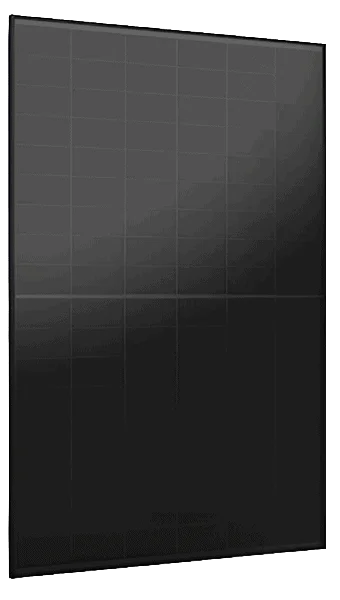
A rooftop solar and battery system generates several times more power, stores surplus for evening use, earns SEG payments on export, and lasts decades. UKEM fits Aiko, JA Solar and Canadian Solar panels with Fox ESS or Tesla Powerwall 3 storage, MCS-certified, with fixed pricing through our online quote tool or by phone on 0800 222 9494. For the wider funding picture alongside solar, see UK energy grants in 2026.
Frequently asked questions
Is plug-in solar legal in the UK right now?
How much electricity does a plug-in solar kit generate?
I own my home and my roof is fine. Should I buy plug-in solar?
Can I claim 0% VAT or the Smart Export Guarantee on plug-in solar?
Does UKEM install plug-in solar?
Last updated: