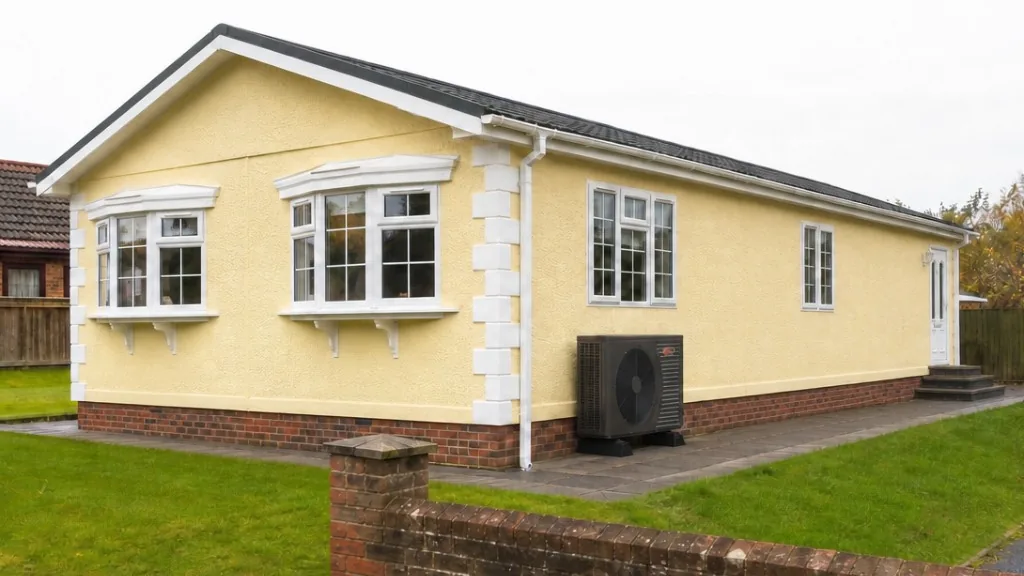




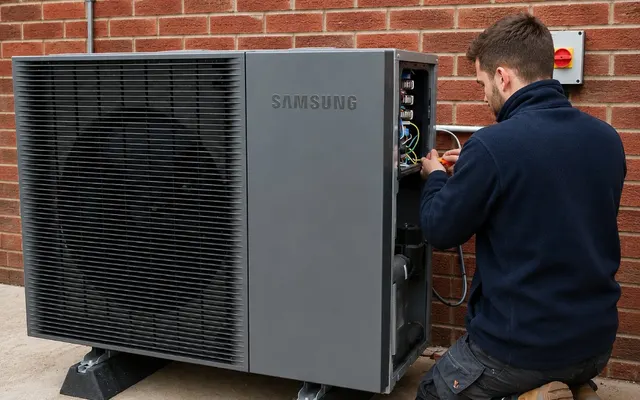




Most UK homes built after the 1980s with cavity wall insulation, loft insulation, and space for an outdoor unit are suitable for an air source heat pump once radiators and hot water storage are checked. The blockers are usually fabric (uninsulated walls or loft), layout (no outdoor space, no cylinder room), or property type (flats, some listed buildings). UKEM confirms suitability on an MCS home survey before quoting; the checklist below is what that survey is testing for.
At a glance
Insulation comes first
Heat pumps deliver heat steadily at lower flow temperatures. A leaky building forces the system to run hotter, which cuts efficiency and pushes running costs toward gas-boiler territory.
The practical baseline for mainland Britain is cavity wall insulation where cavities exist, loft insulation at or near current Building Regs depth, and double glazing on most openings. Homes with solid walls can still work, but they need either external or internal wall insulation, or a willingness to accept higher flow temperatures and slightly higher bills.
If your EPC flags fabric upgrades, treat them as part of the heat pump project. Installing a heat pump into a cold shell and hoping software settings will compensate rarely works. The running costs guide quantifies how much insulation moves the annual bill.
Outdoor space and unit placement
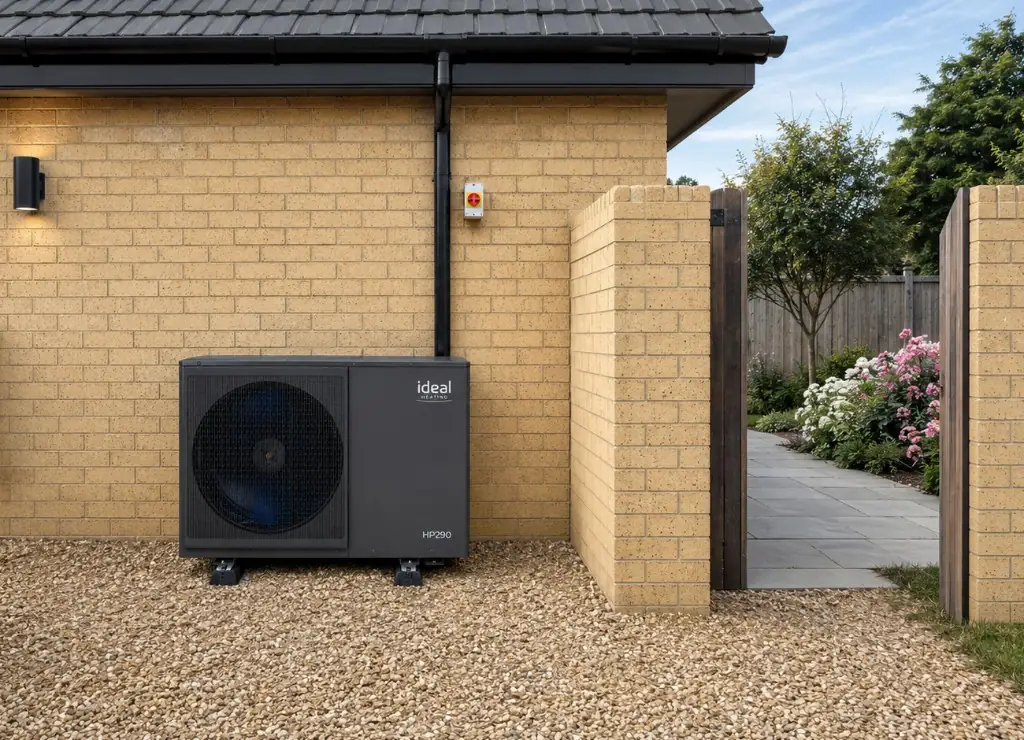
The outdoor unit needs a stable wall or ground pad, service access for future maintenance, and unobstructed airflow across the fan grille. A typical footprint is about 1.2 m wide by 0.6 m deep, plus clearance in front.
Detached and semi-detached homes usually have several wall options. Mid-terraces often place the unit in the rear garden against the back wall, away from the party boundary. The MCS survey scores each option for noise at the neighbour’s habitable window (see the noise guide if that is your main worry).
Listed buildings, conservation areas, and some new-build estates with restrictive covenants may need full planning consent even when MCS 020 passes. The survey flags that before you commit.
Hot water storage
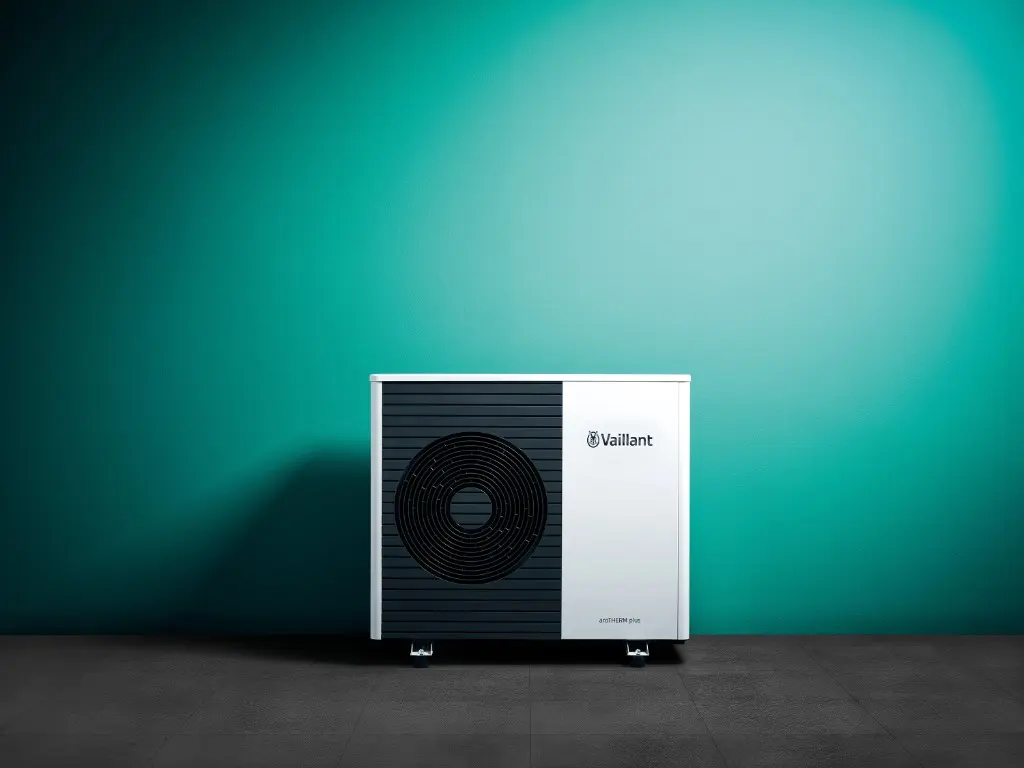
Most UK heat pump installs are air-to-water systems. They heat water and store it in a cylinder for taps and showers, rather than firing on demand like a combi boiler.
If you already have a system or regular boiler with a cylinder, the footprint often stays in the same airing cupboard. If you have a combi today, you need space for a cylinder somewhere indoors: airing cupboard, utility, garage, or loft. A 200 to 250 litre unvented cylinder covers most three and four-bedroom homes; larger households or multiple bathrooms may need more volume or smart pre-heat scheduling.
Every UKEM cylinder install includes an immersion element as backup.
Radiators and flow temperature
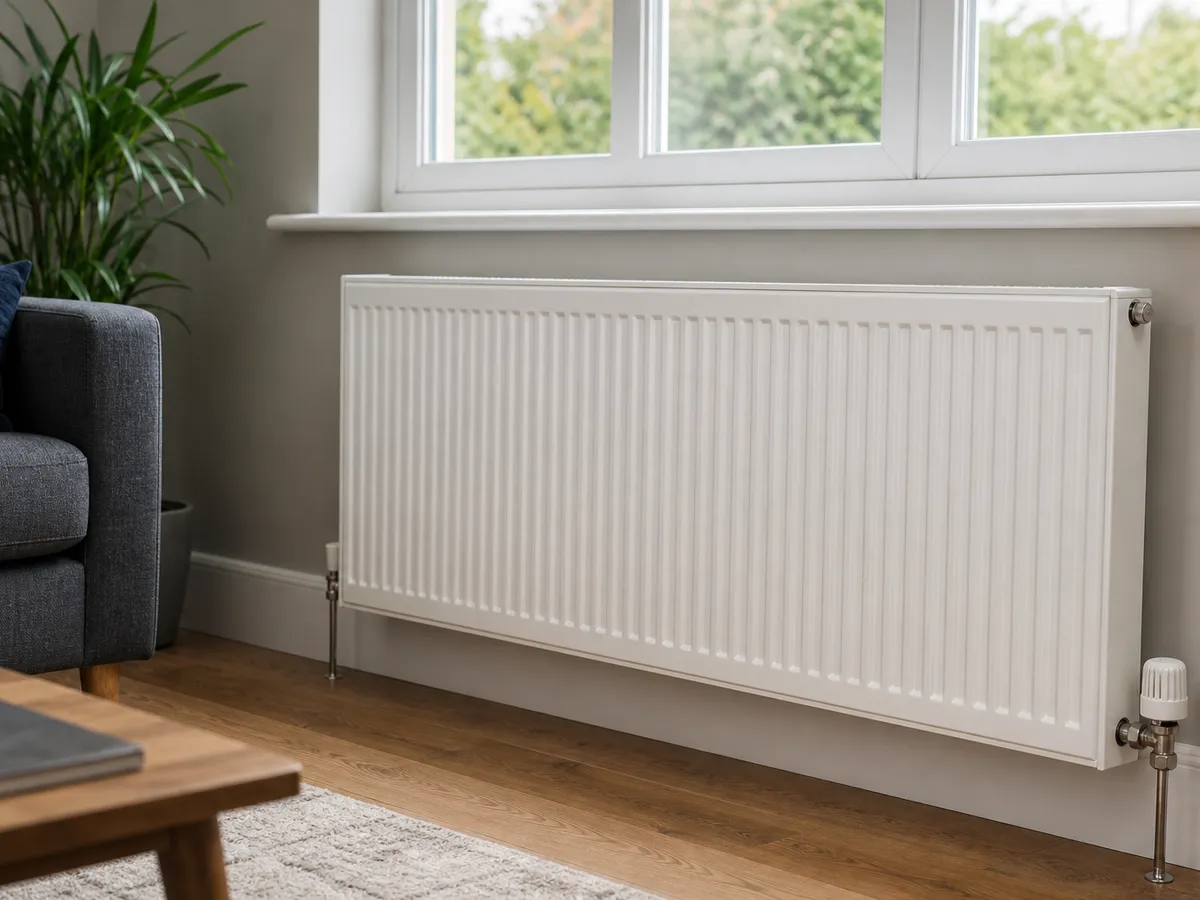
Gas boilers push water at 60 to 70°C. Heat pumps work best at 35 to 50°C. Lower temperatures need more emitter surface area to deliver the same heat into the room.
That does not automatically mean replacing every radiator. The MCS room-by-room heat-loss calculation compares each emitter against the design load at the target flow temperature. Well-insulated rooms with adequately sized radiators often stay unchanged. Cold corners, extensions, or undersized panels are the usual upgrade list.
Skipping radiator changes that the calculation calls for is the most common reason real-world SCOP misses the datasheet. UKEM includes any required emitter work in the quoted price before install day.
Property types that suit (and those that do not)
Strong candidates
- 1990s to 2010s semi or detached with cavity insulation and double glazing.
- Off-gas homes on oil or LPG (high running-cost baseline to beat).
- Homes with an existing cylinder or a clear airing cupboard.
- Properties with rear garden or side-return wall for the outdoor unit.
Weak or blocked candidates
- Flats with no private outdoor space or cylinder room.
- Uninsulated solid-wall homes with no plan for fabric upgrades.
- Plots where MCS 020 noise fails at every siting option (rare, but real).
- Homes needing heat this week only; survey-led installs take around two weeks.
The heat pump vs gas boiler guide walks through three real UK scenarios (mid-terrace, off-grid detached, one-bed flat) in more detail.
Grants, EPC, and paperwork
The Boiler Upgrade Scheme pays up to £9,000 toward an eligible air source heat pump in England and Wales when published rules are met: £9,000 until 31 March 2027 for off-gas-grid homes replacing oil or LPG heating, £7,500 for others. Your property needs a valid EPC with no outstanding recommendations for cavity or loft insulation that would block grant eligibility (check the live criteria on gov.uk).
Scotland uses Home Energy Scotland instead of BUS. UKEM operates across mainland Britain and handles the relevant grant route where it applies.
Heat pump installations are zero-rated for VAT until 31 March 2027. The grant does not change whether your home is suitable; it changes whether the maths works once suitability is confirmed.
What the MCS survey confirms
Heat pumps are the only product UKEM installs that always needs a home survey before a fixed quote. The survey takes one to three hours and produces:
- Room-by-room heat loss to MCS standards
- Recommended heat pump capacity (kW)
- Radiator upgrade list
- Outdoor unit location options with MCS 020 noise checks
- A fixed all-in price
The installation timeline guide explains each step from enquiry to handover, and the rest of our heat pump guides cover noise, radiators, and running costs.
If the checklist above reads positive for your home, book a heat pump survey and we will confirm suitability with numbers, not guesswork.
Frequently asked questions
What insulation does my home need for a heat pump?
Cavity wall and loft insulation are the practical minimum for most UK homes. Without them, the heat pump works harder, flow temperature climbs, and SCOP drops into the high 2s. That raises bills and can leave you no better off than gas or oil. If your EPC recommends fabric upgrades, treat those as part of the project, not an optional extra. The running costs guide shows how much insulation moves the annual figure.
How much outdoor space does a heat pump need?
The outdoor unit is roughly washing-machine sized: about 1.2 m wide by 0.6 m deep, plus clear airflow in front of the fan. It can mount on a wall bracket or sit on a ground pad with anti-vibration feet. The MCS survey also checks distance to boundaries and the noise at the neighbour's window. Tight terraced gardens can still work with careful siting; no outdoor space at all rules a standalone unit out.
Do I need a hot water cylinder?
Almost always, yes. Air-to-water heat pumps pair with an unvented cylinder sized to the household (typically 200 to 250 litres for a three or four-bed home). If you currently have a combi boiler with no cylinder, you need an airing cupboard, utility space, or loft room for the tank. The heat pump vs gas boiler guide compares hot water delivery in more detail.
Will I need new radiators?
Sometimes. Heat pumps run at lower flow temperatures than gas boilers, so rooms may need larger radiators or extra panel area. In a well-insulated home, many emitters stay; in colder rooms, one or two upgrades are common. The MCS heat-loss calculation lists exactly which radiators change before you sign a quote. UKEM folds any upgrades into the fixed price. See the radiators and emitters guide for how flow temperature drives sizing.
Can I get a heat pump in a flat?
Standalone air source heat pumps rarely suit a flat. There is usually no private outdoor space for the unit, no room for a cylinder, and freeholder consent adds another layer. A combi boiler swap or a building-level heat network is often the realistic route. The vs boiler guide covers the flat scenario explicitly.
Last updated: