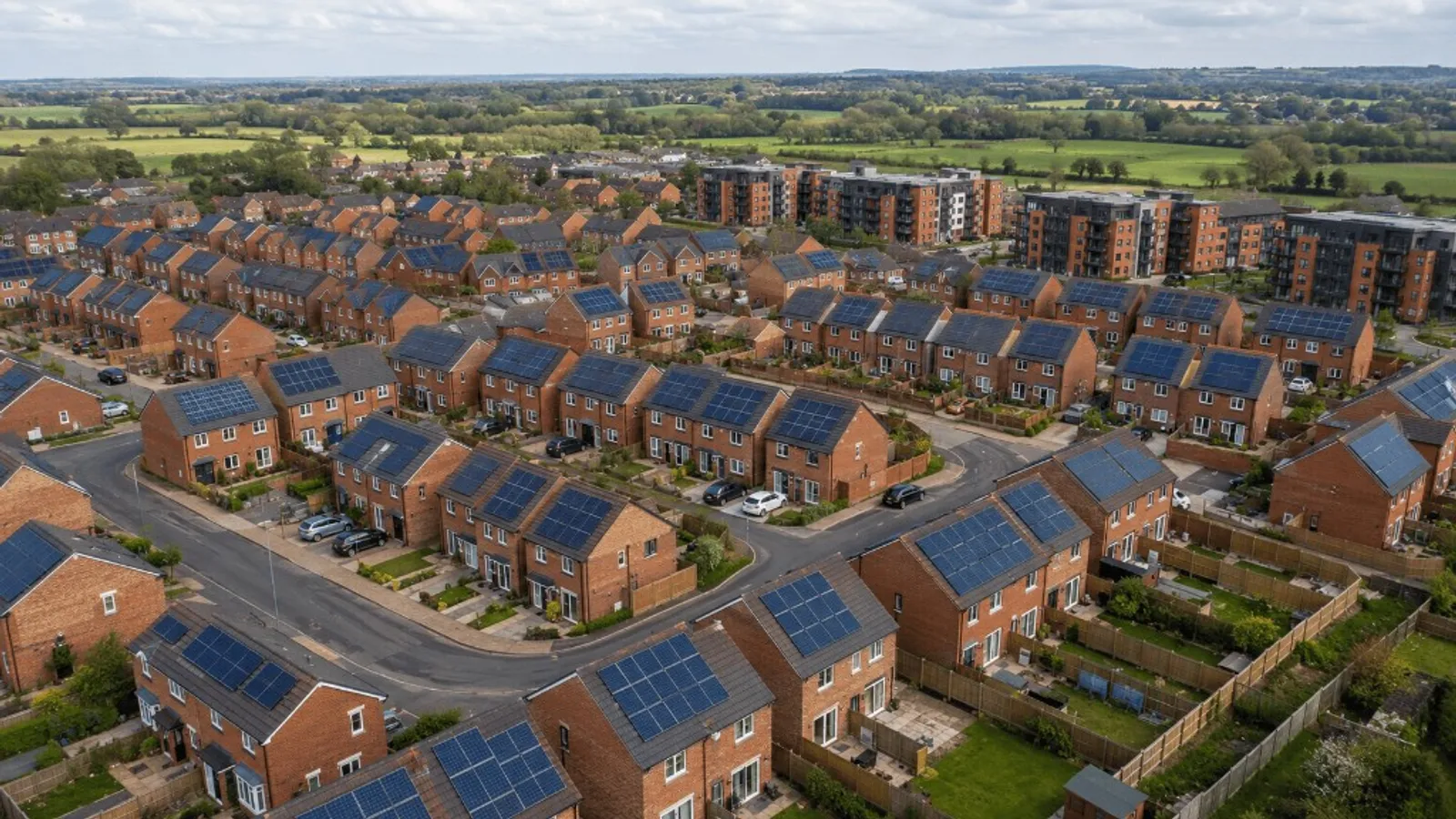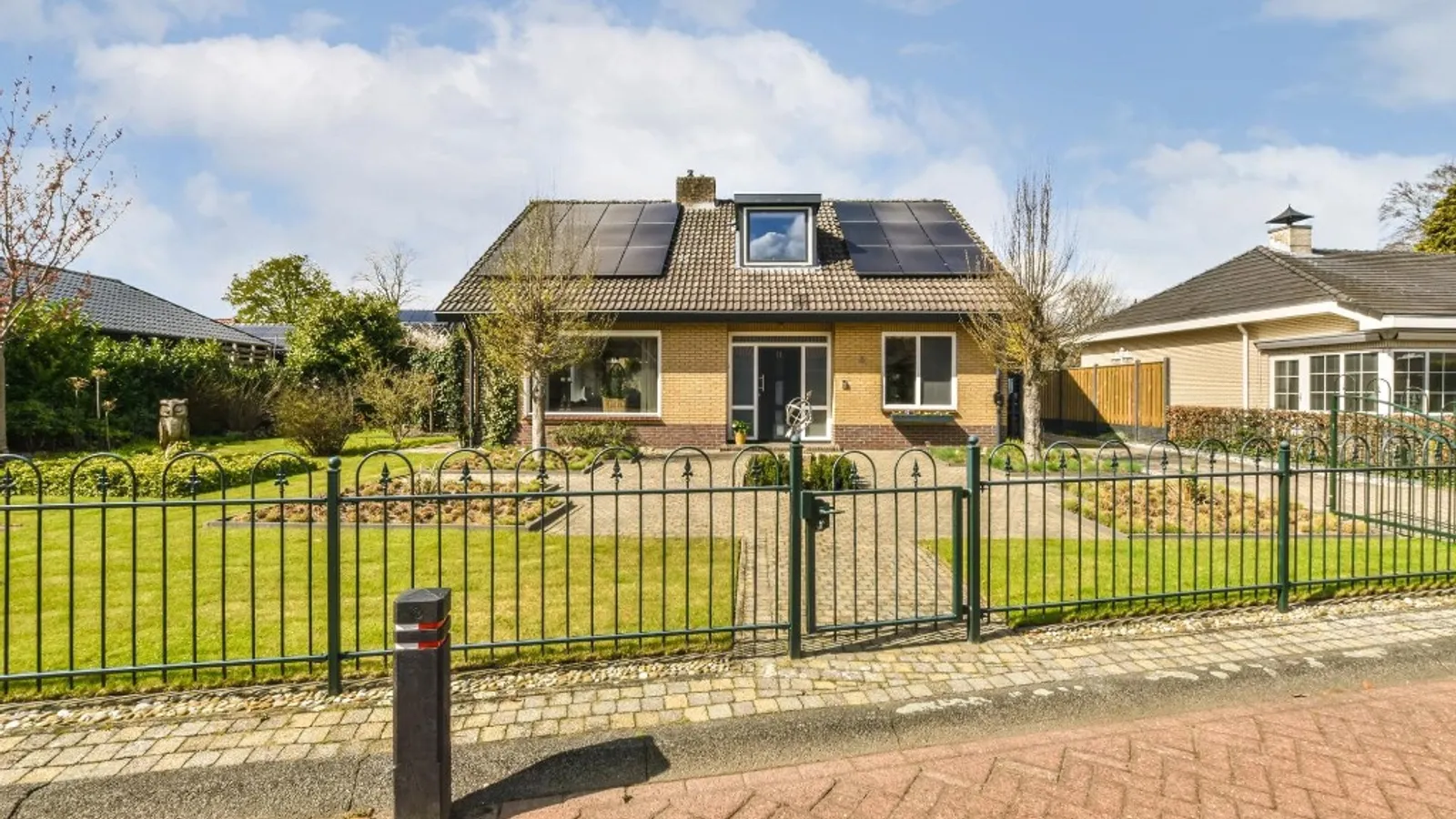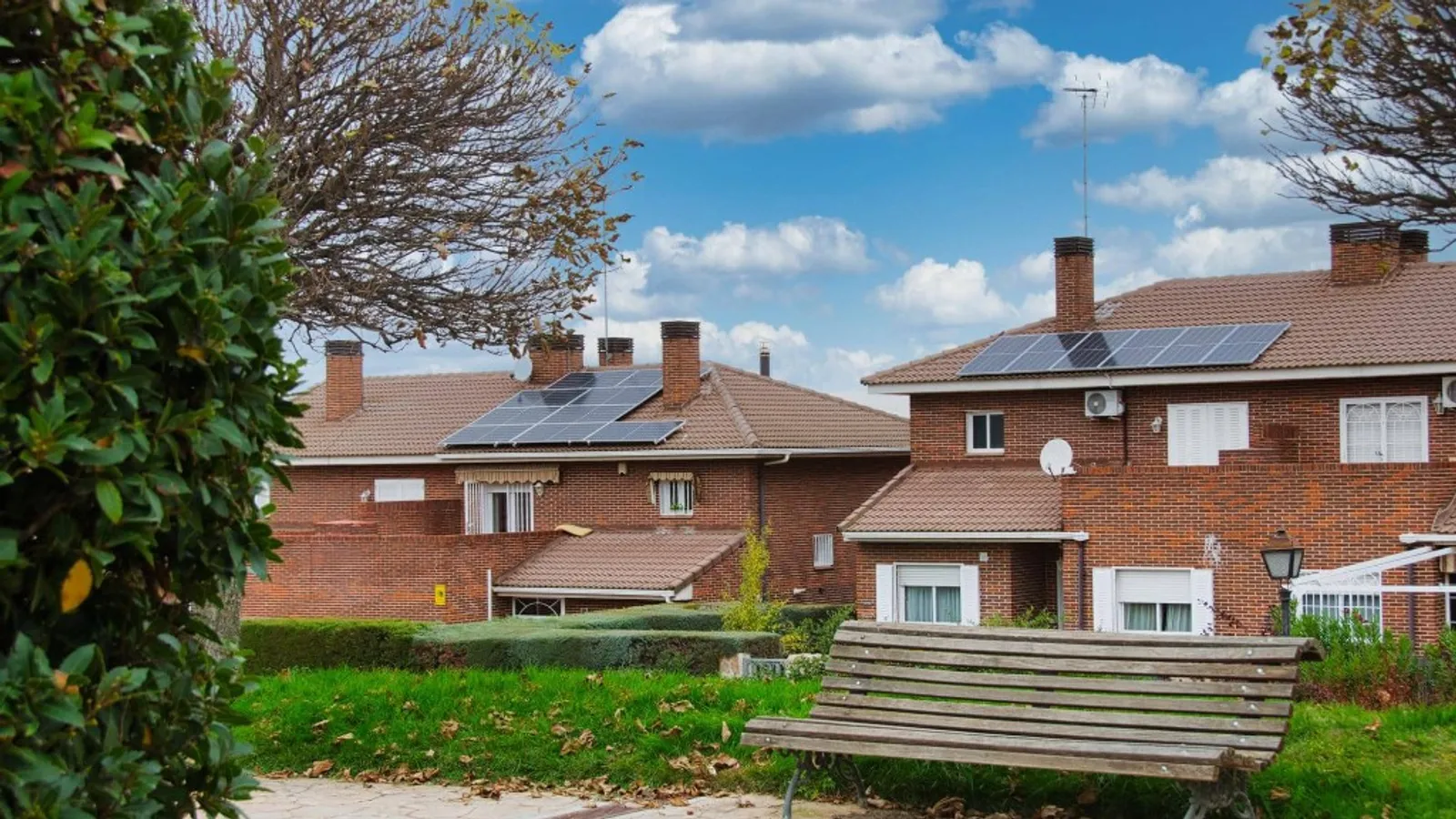
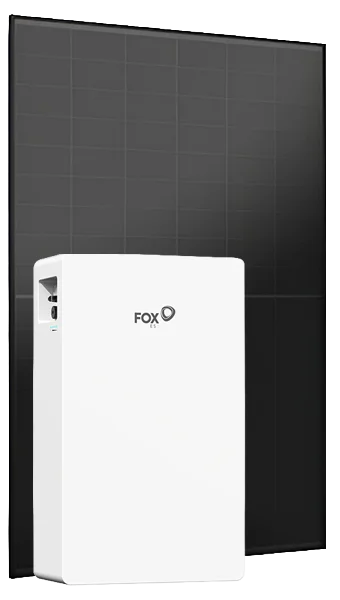






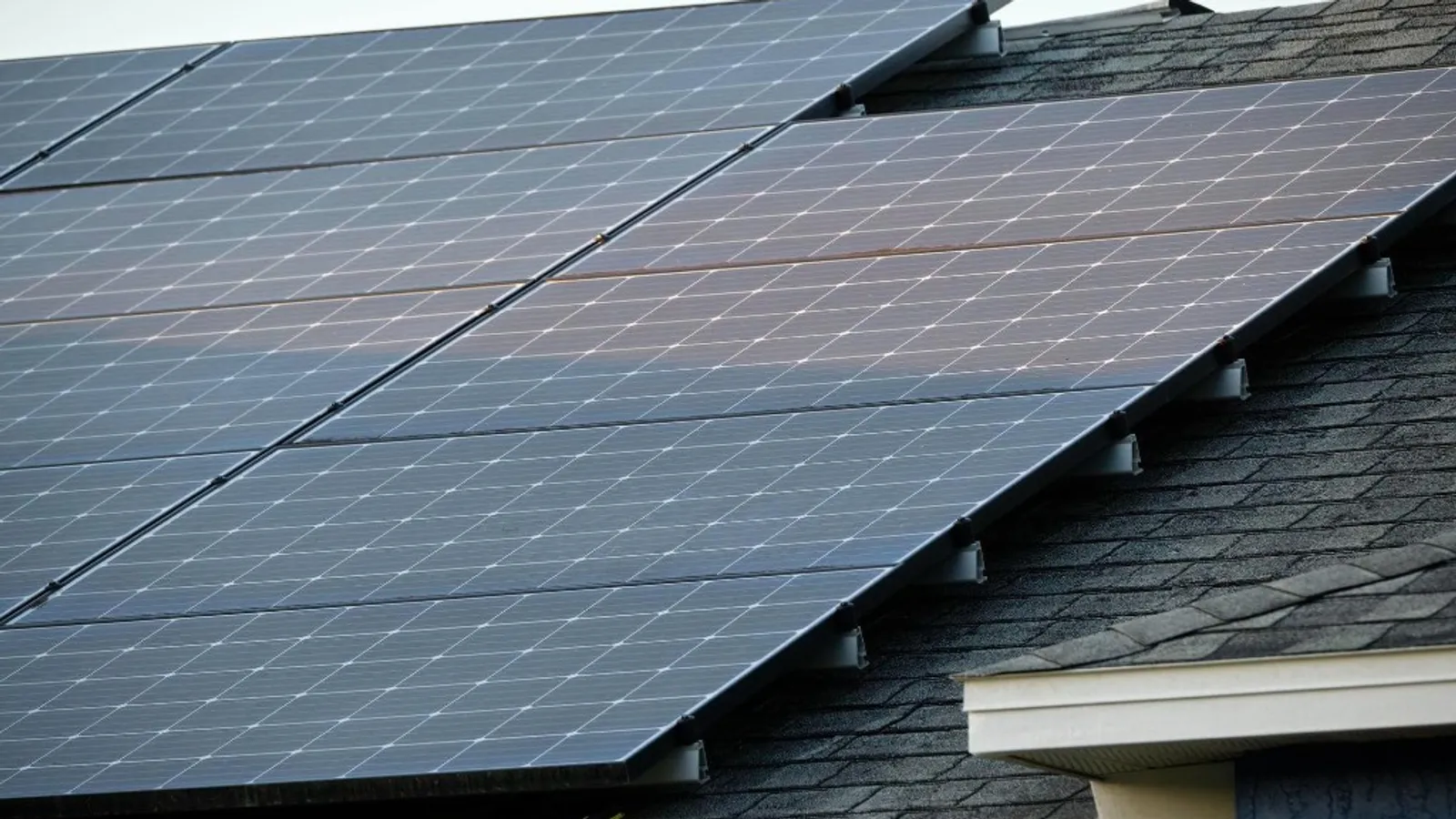
A 4 kWp solar system (roughly 10 panels) covers the annual electricity use of an average UK home. Ofgem’s medium electricity figure sits at around 2,700 kWh a year, and a typical 4 kWp array generates 3,400-4,200 kWh depending on roof orientation, pitch, and location. That’s enough on paper, but the real-world value depends on how much of the generation you self-consume versus export. Add an EV charger or a heat pump and the right size grows.
Start with what you actually use
Pull a year of electricity off your latest bill or your smart meter app. The number you want is your annual kWh figure. Compare it against Ofgem’s Typical Domestic Consumption Values (TDCV):
- Low: ~1,800 kWh per year
- Medium: ~2,700 kWh per year
- High: ~4,100 kWh per year
If your number is significantly above the medium figure, you’ve probably got electric heating, a heat pump, an EV, or a busy household. Size the solar array against your actual usage rather than the average.
How much roof space do you need?
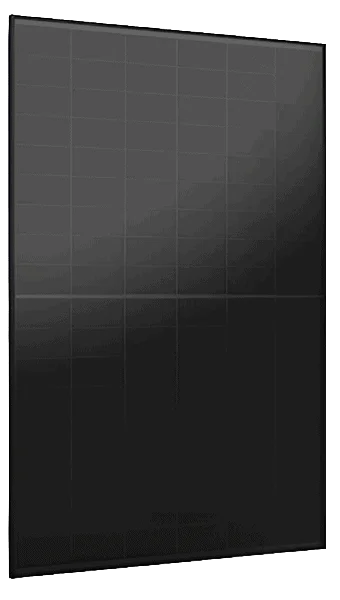
A standard residential panel measures roughly 1.7m by 1m and produces around 400W. UKEM installs all-black N-type panels rated from 450W up to 475W, which are slightly more compact than older 400W modules for the same output. As a rule of thumb, allow 10m² of unshaded roof per kWp of capacity. The table below is a sensible starting point before a roof inspection.
| System size | Panels (approx.) | Roof space needed | Annual output |
|---|---|---|---|
| 2 kWp | 5 | ~10 m² | 1,700 - 2,100 kWh |
| 3 kWp | 7-8 | ~15 m² | 2,500 - 3,200 kWh |
| 4 kWp | 9-10 | ~20 m² | 3,400 - 4,200 kWh |
| 5 kWp | 11-12 | ~25 m² | 4,200 - 5,300 kWh |
| 6 kWp | 13-15 | ~30 m² | 5,100 - 6,300 kWh |

How do roof orientation and pitch change the answer?
A south-facing roof at 30-40° pitch is the textbook best case. Real homes deviate from the textbook all the time, and most of them still make solar work.
- South, 30-40° pitch. Baseline. No penalty.
- East or west at a similar pitch. Roughly 15-20% less annual output. Useful if you want a flatter generation curve that lines up with morning and evening use.
- Flat roof or close to it. Roughly 10-15% less than the south-facing baseline. Mounted on a slight frame so panels shed water and self-clean.
- North-facing only. Rarely worth it on its own. Output drops 30%+ and the SEG payback gets thin.
Split-array systems with panels on two different aspects are common. A combined east/west array often outperforms a smaller south-only one because morning and evening generation overlap with household use better than a single midday peak does.
Size for what you actually use, not the biggest system the roof will hold.
What if you work from home?
In the house during daylight hours = higher self-consumption. You’ll burn more of what the panels generate directly, which is the most valuable kWh you’ll ever get out of solar. A household that’s home through the day can get a strong return from a smaller 3-4 kWp array without a battery.
Out at work all day, the inverse applies. More of your generation gets exported at a low rate. The maths gets better either with a battery (see the is solar battery storage worth it sister guide) or a smart EV charger that schedules around the solar curve.
Should you size up for an EV charger?
Probably yes. A home EV charger adds 2,500-4,000 kWh of annual electricity use for a typical commuter doing 7,500-10,000 miles a year. If an EV is on the horizon in the next two or three years, factor it into the array size now rather than retrofitting more panels later.
Should you size up for a heat pump?
A heat pump replaces gas with electricity. Annual consumption typically rises by 3,000-5,000 kWh depending on house size, insulation, and how the system is commissioned. The heat pump running costs guide breaks the figures down.
Solar covers a meaningful share of that demand in spring, summer, and the shoulder seasons. Winter is harder, because demand peaks at the time of year generation is lowest. Don’t expect solar to wipe out the heat pump bill on its own, but it does flatten the annual figure noticeably, especially with a battery to carry the daytime surplus into the evening.
When does oversizing hurt you?
Oversizing is the most common sizing mistake. Generate twice what you can use or store and the surplus goes to the grid at 5-15p, while the system cost scales linearly with capacity. The return per added kWp tails off fast once you cross your annual usage without storage to soak it up.
A sensible sweet-spot rule:
- No battery, out all day: aim for 70-90% of annual use.
- No battery, in all day: aim for 80-100% of annual use.
- With a battery: 100-130% of annual use is reasonable.
- With a battery plus heat pump or EV: 130-180%, sized against the new total.
For a sense of how that translates into monthly payments, the finance options page sets out the available terms.
A note on inverters and the 3.68 kW limit
Anything up to 3.68 kW of inverter output on single-phase fits under the G98 fit-and-notify route: we notify the Distribution Network Operator (DNO) after fitting. Above 3.68 kW, you need G99 pre-approval from the DNO before commissioning. UKEM handles the application, but the approval timeline can add a couple of weeks to a larger install.
Three-phase homes have no 3.68 kW per-phase limit, which simplifies larger systems. Most UK homes are single-phase. The inverter limit is independent of how many panels you fit on the roof, so it’s not unusual to see a 5-6 kWp panel array paired with a 3.68 kW inverter that clips peak generation. The clipping costs less than people assume, because peak output only happens a few hours of a few sunny days a year.
What most UK homes end up with
A 4 kWp system on a south-facing or split east/west roof, generating 3,400-4,200 kWh a year, covers an average household. Bump up to 5-6 kWp if you’re adding an EV or a heat pump, and pair with a battery if the house is empty during the day. Bring your kWh figure to the quote stage and the proposal can be sized against your bill instead of an average. The solar and battery storage product page and the wider solar advice hub cover the rest of the decision.
Frequently asked questions
How many solar panels does an average UK home need?
Can I install solar on a north-facing roof?
Do I need planning permission for solar panels?
How much roof space do I need?
Should I size up if I'm getting an EV or heat pump?
Last updated: