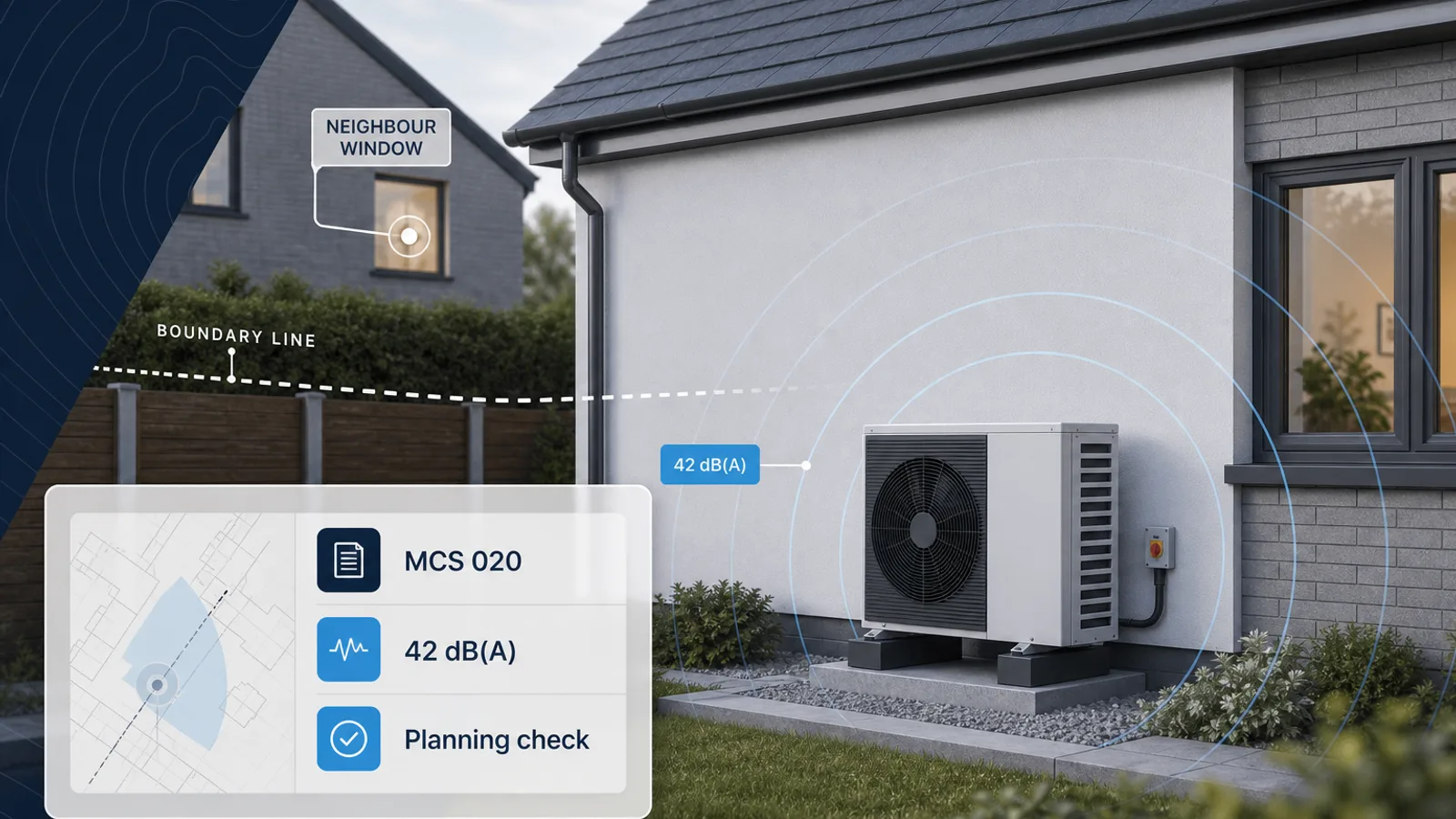






A modern air source heat pump heating a well-insulated three-bedroom UK home runs at roughly £600 to £1,000 a year, including hot water. That figure assumes electricity at around 24p per kWh (close to the current UK average) and a Seasonal Coefficient of Performance (SCOP) between 3.0 and 4.0. In plain terms, the heat pump turns one unit of electricity into three or four units of heat. The exact number on your bill depends on insulation, flow temperature, equipment, and tariff. Each of those moves the figure by a measurable amount, and the maths is below.
How does that compare to a gas boiler?
A modern gas boiler runs at around 90 percent efficiency. A heat pump at SCOP 3.5 runs at 350 percent. Gas costs less per kWh of fuel than electricity, but the heat pump’s efficiency closes the gap.
The fairest comparison is cost per kWh of heat delivered into your radiators or underfloor pipes, not cost per kWh of fuel into the meter. Working from current UK averages of around 7p per kWh for gas and 24p for electricity:
| Heat source | Efficiency | Cost per kWh of heat |
|---|---|---|
| Modern gas boiler | 90% | ~7.8p |
| Heat pump at SCOP 3.0 | 300% | ~8.0p |
| Heat pump at SCOP 3.5 | 350% | ~6.9p |
| Heat pump at SCOP 4.0 | 400% | ~6.0p |
| Heat pump on Octopus Cosy off-peak | 350% | ~3.9p |
A well-installed heat pump at SCOP 3.5 already matches gas at standard rates. On a heat-pump-friendly tariff, the gap widens, and the gap widens again if you can drop the gas standing charge entirely with an electric hob.
A worked annual example
Take a 1990s 3-bed semi with cavity walls, loft insulation, and double glazing. Annual heat demand for that envelope is around 12,000 kWh.
- At SCOP 3.5, the heat pump draws 12,000 ÷ 3.5 = ~3,430 kWh of electricity per year.
- On a flat 24p tariff, that costs ~£820 a year for heating and hot water.
- On Octopus Cosy with most heating shifted to the off-peak windows, the same demand can land closer to £550 a year.
The same home on a 90 percent efficient gas boiler needs roughly 13,300 kWh of gas to deliver 12,000 kWh of heat. At 7p per kWh that is ~£930 a year, before the gas standing charge of around £110. Net heat pump saving on a flat electricity tariff: roughly £200 a year. On a heat pump tariff, closer to £500.
What is COP and SCOP, in plain English?
COP is the instantaneous ratio of heat out to electricity in. SCOP is the annual average. SCOP is what shows up on your bill, so it is the figure to compare across quotes.
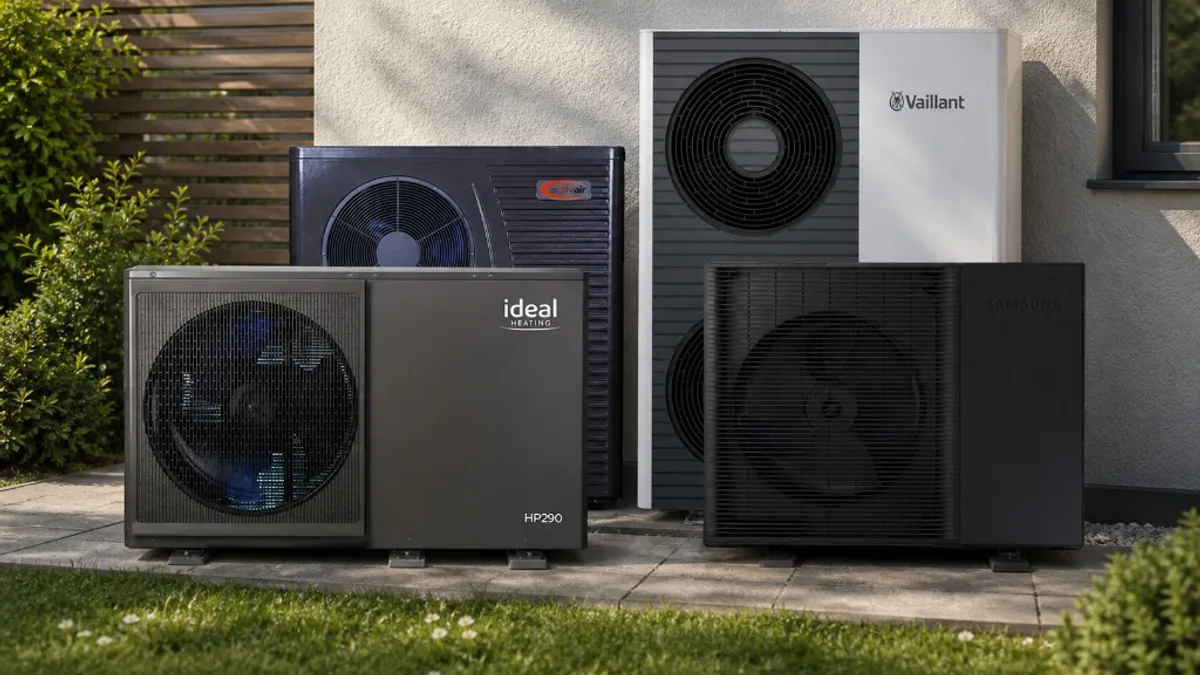
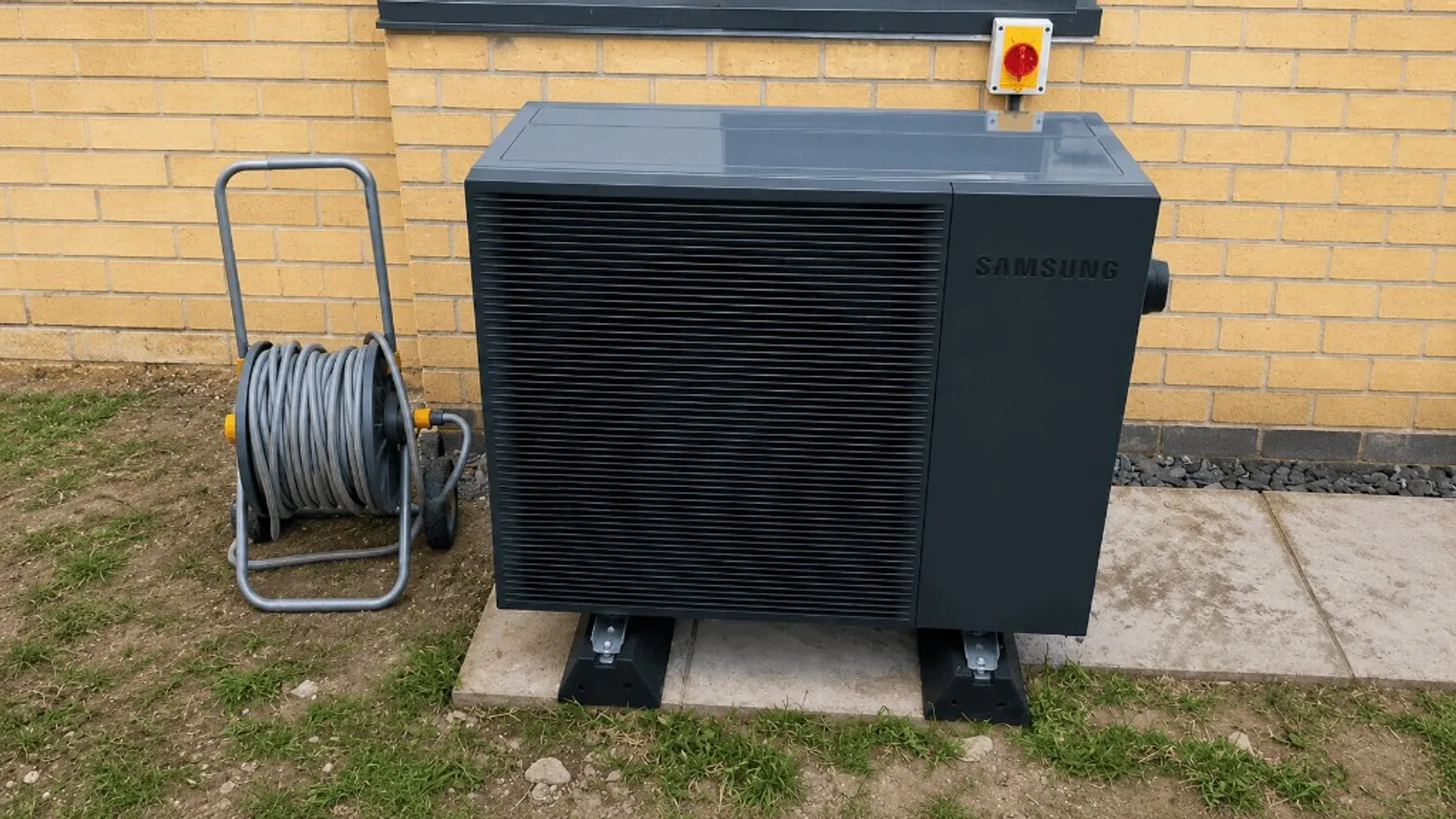
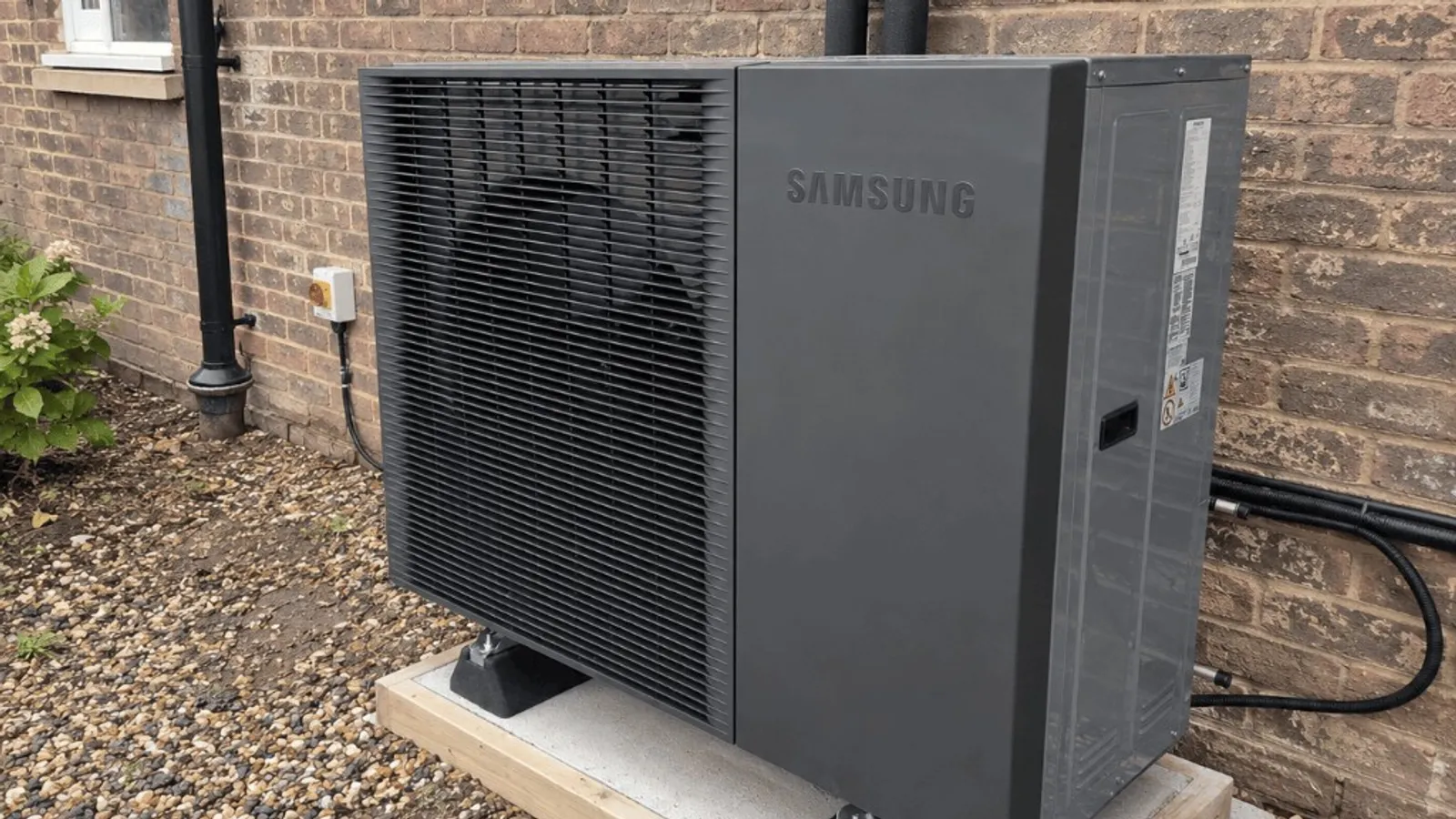
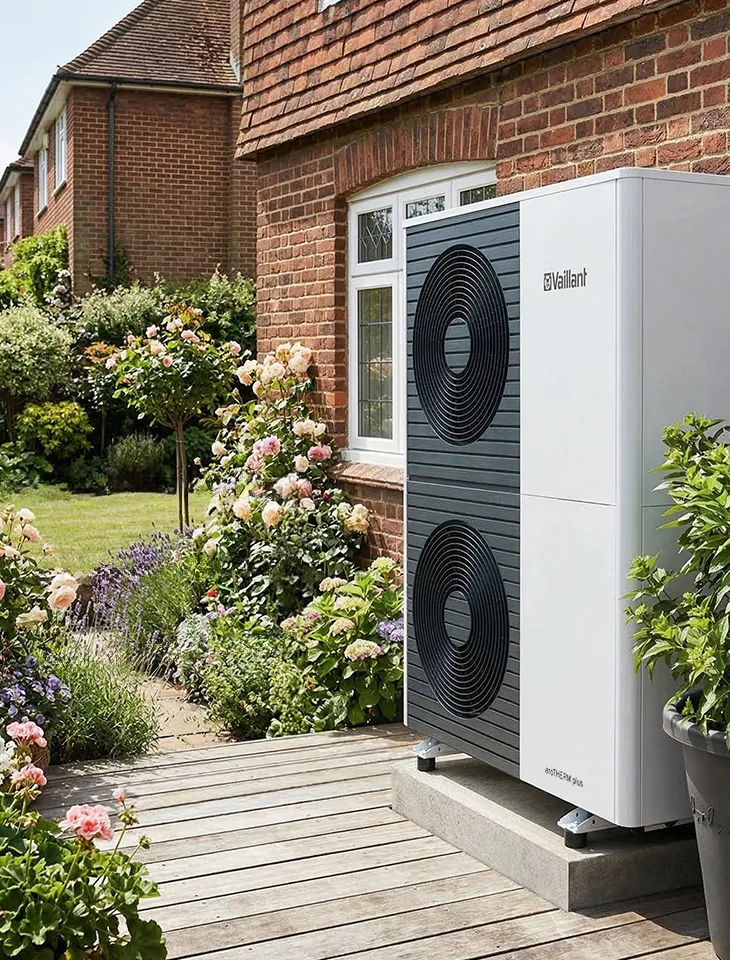
The Samsung R290 Gen 7, Vaillant Arotherm Plus, and Ideal HP290 quote SCOPs in the 4.0 to 4.5 range at low flow temperatures on their datasheets. SCOP figures for any MCS-certified heat pump can be cross-checked in the MCS Product Directory. Real-world averages tend to land between 3.0 and 4.0 once you account for hot water cycles and a real winter. A SCOP of 3.0 or below points to a sizing problem, an emitter problem, or a control problem, not a heat pump problem.
Insulation is the single biggest lever
Insulation moves the bill more than any equipment choice. A heat pump heating a 16,000 kWh annual demand uses ~5,300 kWh of electricity at SCOP 3.0. The same building, after cavity wall and loft top-up, might drop to 11,000 kWh demand and ~3,100 kWh of electricity at SCOP 3.5. That is a £500-plus annual swing on the bill, before anything to do with the heat pump itself.
How to design for low flow temperature
Heat pumps are most efficient at flow temperatures of 35 to 45°C. Each 5°C drop in flow temperature lifts SCOP by roughly 8 to 10 percent. Drop from 50°C to 40°C and you typically pick up 15 to 20 percent of efficiency.
Lower flow temperatures need more emitter surface, usually a couple of larger radiators or underfloor heating in the rooms with the highest heat loss. The MCS-certified survey calculates room-by-room heat loss and sizes emitters accordingly. Skipping radiator upgrades that the heat-loss calculation calls for is the most common reason real-world SCOP misses the manufacturer figure.
Is there a cheaper tariff for heat pumps?
Heat-pump-friendly tariffs reward you for moving load to off-peak hours. Most large UK suppliers now offer one in one of two shapes: a tariff with three cheap windows a day for pre-heating, or a tariff that settles heat pump consumption separately at a lower rate. Ofgem maintains an overview of smart and time-of-use tariffs if you want a neutral comparison before switching.
The savings are real. On Cosy, off-peak rates of around 13p per kWh against an average peak of around 32p mean a household that pre-heats during the cheap windows can knock 25 to 30 percent off the heating portion of its bill, with no change in comfort. A modern heat pump controller does the scheduling automatically once you tell it the tariff windows.
Can solar panels reduce running costs?
Solar overlaps with a heat pump mostly in two places: hot water cycles year round, and shoulder-season space heating in spring and autumn. A 5 kWp array generates roughly 4,200 to 5,300 kWh a year in the UK, with most of that landing in summer when heating demand is low.
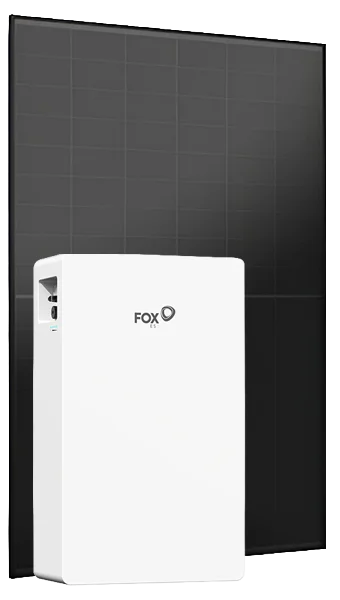
In practice, a sensibly sized solar setup typically covers most of a heat pump’s hot water cycles and a useful share of mid-season heating, especially with a battery. It will not cover deep winter heating, because the days are short and the demand is high; that is when the heat pump runs hardest. Pairing solar with a battery and a smart heat pump controller (see the solar sizing guide for the maths) gets self-consumption highest.
Run it the right way
Do
- Set a single comfortable target temperature and let weather compensation manage flow temperature.
- Pre-heat the house during off-peak tariff windows when a heat pump tariff makes sense.
Don't
- Treat it like a gas boiler. Switching the system off when you leave the house wastes more than it saves.
- Crank flow temperature above what the heat-loss calc specifies; SCOP falls and the bill climbs.
When do running costs disappoint?
A handful of patterns push real-world running costs above the modelled figure:
- Poor insulation that has not been addressed. A heat pump in a leaky envelope works harder. SCOP drops, electricity use climbs.
- Undersized emitters. If radiators were not changed during install, the controller is forced to push higher flow temperatures to compensate, which kills efficiency.
- The system being treated like a boiler. On-off cycling and aggressive setbacks fight the steady-state nature of a heat pump.
- Hot water set too high. Cylinders running at 65°C every day pull SCOP down. 50°C with a weekly anti-Legionella cycle is the usual recommendation.
- The wrong tariff. A heat pump on a flat 30p tariff pays premium rates for off-peak hours it could have shifted.
None of these are deal-breakers. Each is fixable, and a good installer addresses most of them in the design before the unit is fitted.
The grant and the upfront context
The Boiler Upgrade Scheme takes up to £7,500 off the install when your property qualifies. Heat pump installations also benefit from 0% VAT until March 2027. The grant does not change the per-year running cost, but it shortens the payback window significantly. UKEM applies on the homeowner’s behalf as part of the install (see our guide to UK energy grants in 2026 for the full scheme detail). Scotland uses Home Energy Scotland instead of BUS.
Heat pumps are also the only product line UKEM installs that requires an on-site survey before quoting, because flow temperature, emitter sizing, and pipework all affect the running cost figure quoted above. If you want monthly payments on the residual amount after the grant, finance options handle that separately.
The order of priority
Insulate first. Design for low flow temperature. Choose a heat-pump-friendly tariff. Claim the grant. The order matters, because each step lifts the value of the steps below it. A well-insulated home on a low-flow design with Cosy and the BUS grant applied is the setup that delivers £500 to £700 annual heating bills in real case studies. Skipping any of the four leaves money on the table.
Frequently asked questions
What is the difference between COP and SCOP?
COP (Coefficient of Performance) is the instantaneous ratio of heat out to electricity in. A heat pump running at COP 4.0 produces four units of heat from one unit of electricity at that moment. SCOP (Seasonal COP) is the annual average across a real heating season, including hot water, defrost cycles, and winter cold spells. SCOP is the figure that maps to your actual bill, so it is the one to compare on quotes.
Are heat pumps cheaper to run than a gas boiler?
In a well-insulated home, yes. A heat pump at SCOP 3.5 delivers heat at roughly 6.9p per kWh; a 90 percent efficient gas boiler delivers heat at roughly 7.8p per kWh on current UK averages. The gap widens further on a heat-pump-friendly time-of-use tariff. In a poorly insulated home running at SCOP 2.5 or below, gas can come out cheaper, which is why the survey checks heat loss before any quote is signed off.
Do heat pumps work in cold UK winters?
Yes. Modern R290 heat pumps from Samsung, Vaillant, and Ideal deliver full rated output down to around -10°C, which covers the coldest days the UK mainland sees in a typical year. Output drops gradually below that, but the units are designed for the British climate, not just mild conditions. Efficiency falls in deep cold, which is why a correctly sized system uses weather compensation to lift flow temperature only when it has to.
Can solar panels reduce heat pump running costs?
Yes, although the overlap is mostly in the shoulder seasons (spring and autumn) and on hot water year round. A 5 kWp solar array can offer a useful chunk of free electricity for hot water cycles and lower-load heating during the day. Pairing solar with a battery and a smart heat pump controller pushes self-consumption higher again. See our guide on sizing a solar system for the maths.
Is there a special tariff for heat pump owners?
Yes. Several UK suppliers offer heat-pump-friendly tariffs in two broad shapes: a fixed off-peak window (typically three cheap blocks across the day for pre-heating), or a tariff that settles heat pump consumption separately at a lower rate. The right tariff depends on whether your heat pump can shift load to off-peak hours, which most modern controllers handle natively.
Last updated: