

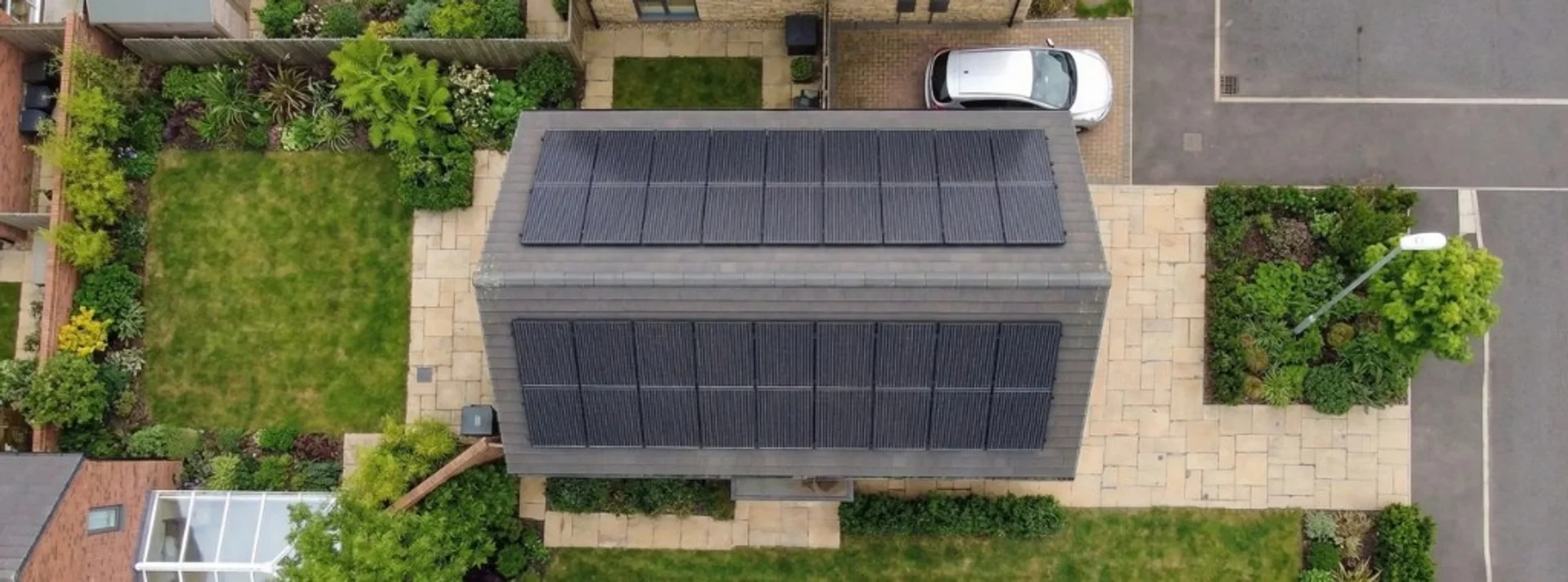


Aerial view of all-black solar panels on a UK home roof

Solar Panels

The right solar setup when you don't need a battery (yet)

Lower upfront, faster payback, bills down from day one. Solar-only fits homes that use power during daylight, drive an EV, or want to start now and add storage later.

Get my solar quote
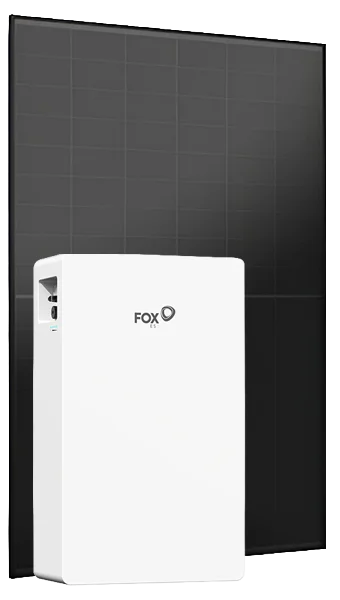
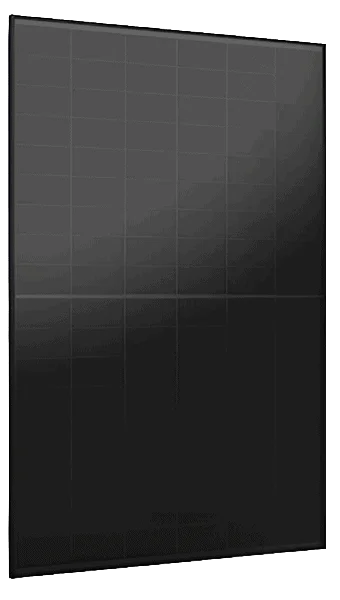
Three solar panel finishes side by side: silver-frame, black-frame, and full all-black N-type
Our customers say Excellent 4.8 out of 5 based on 1,570 reviews
Is solar-only right for you?

Three signs solar-only fits your home

Most homes get more out of a combined solar and battery system, but in a few cases solar on its own already covers the bulk of the saving. If any of these sound like you, panels alone are worth costing up first.

  • You're home when the sun is up

    Daytime household

    Working from home, retired, or a parent with kids around at lunchtime. You can use 50-60% of generation directly, so panels alone already cover a lot of your usage.

  • Your EV charges in daylight

    EV driver

    Park up at lunchtime, plug in, and let your charger run on solar. Daytime EV charging soaks up most of the surplus that would otherwise need storing.

  • You want solar now, battery soon after

    Phased buyer

    Spread the spend. You can add a battery later (next year, or whenever your EV arrives), so day-one is just panels.

Without a battery

Make every kWh count

The trick on a solar-only system is to use what you generate while it's free, instead of selling it cheap and buying it back expensive. Four practical levers move self-consumption from around 30% to 50-60% on most homes.

  • Free hot water from spare solar

    If you have a hot water cylinder (not a combi boiler), a diverter sends any spare solar to heat it. By evening you have a free tank of hot water for showers.

  • Smart appliance schedules

    Run the dishwasher, washing machine, and dryer between 11am and 3pm when generation is highest. Most modern appliances have a delay timer built in.

  • Daylight EV charging

    Set your charger to solar mode (Ohme, Zappi, Easee) so it tops up the car only when there is surplus. Free fuel on sunny days.

  • Heat your home with surplus

    If you have a heat pump or electric heating, schedule it to lift indoor temperature 1-2 degrees in the afternoon. The fabric of the house holds the warmth into the evening.

We'll talk through which of these will move the needle most for your house at quote stage.

How It Works

From quote to commissioning in days, not weeks

Solar-only installs are quicker than a combined system because there's no hybrid inverter to commission and no battery to bench-test.

  1. 01

    Quick online survey

    Tell us about your roof, usage, and whether you might add a battery later. No site visit needed at this stage.

  2. 02

    Fixed price with savings model

    All-in price up front, with the system sized to your usage and roof. No deposits chased and no surprise extras on the day.

  3. 03

    Fitted in 1-2 days

    Scaffolding, panels, inverter, electrical work, commissioning and MCS registration. Faster than a combined install because there's no battery to wire in.

Get your free solar quote Takes a few minutes. No obligation.

See what solar-only would save you

Tell us about your home and you'll get a fixed all-in price for solar-only and a combined solar + battery system on one quote, so you can compare like for like.

Costs & Payback

Solar-only vs solar + battery: the honest comparison

Both work. The right pick depends on when you actually use power and how much you can spend up front.

Solar + battery

Higher upfront, longer payback, full evening cover and 0% VAT on the battery.

Upfront, fully fitted
From around £7,150
Typical year-one bill cut
50-70%
Payback window
~9-12 years
Evening cover
Yes, on stored solar
Install time
About a week

Best for: households out during the day, time-of-use tariff users, anyone wanting backup during a grid outage. See combined systems.

Both setups qualify for 0% VAT until March 2027. Your exact price and payback depend on your roof, your usage, and the SEG tariff you pick. Get a fixed quote and we'll model both side by side.

Smart Export Guarantee

Without a battery, your SEG tariff carries more weight

Anything your panels generate that you don't use is exported to the grid, and your supplier pays you for it under the Smart Export Guarantee. On a solar-only system that's typically 40-60% of generation, so the rate you pick matters.

You can switch your SEG supplier independently of your electricity supplier, so a better export rate doesn't cost you a good import deal. Octopus Outgoing currently leads, with EDF and E.ON Next close behind. Worth a yearly check on the Ofgem SEG list.

Common Questions

Solar-only FAQ

Honest answers on whether solar makes sense without a battery, what you save, and how to add a battery later.

How much do solar panels cost in the UK?

A typical residential solar panel system costs between £5,000 and £12,000, depending on system size, roof layout, and whether you add battery storage. UKEM installs systems from 6 panels (2.67 kW), with larger systems available where suitable. Get a fixed, personalised price through our online quote tool.

Is solar worth it without a battery?

Yes, for plenty of homes. Solar-only systems carry the lowest upfront cost (typically from around £5,300 fully fitted) and tend to pay back faster than a combined system, usually inside 7 to 10 years. They suit households that use power during the day: people working from home, retired homeowners, families with kids around at lunchtime, or anyone who runs an EV, hot water tank, or appliances on daylight hours. The trade-off is reduced evening cover. Anything you don't use during the day is exported under the Smart Export Guarantee rather than stored, so picking a strong export tariff matters. If you're out most days and use most of your power in the evening, see our combined solar and battery systems.

Can I add a battery later, and what does it cost?

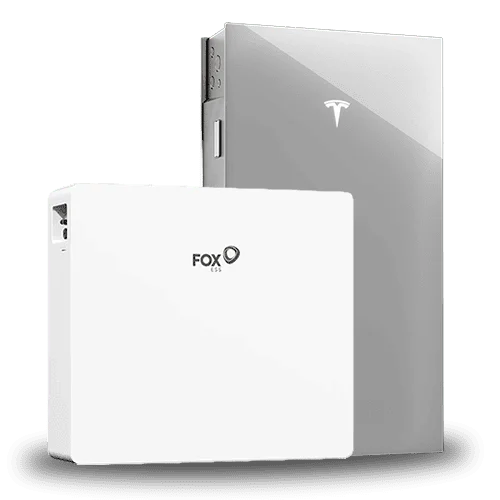
Yes. Most retrofits use an AC-coupled battery, which works alongside your existing solar inverter rather than replacing it, so the panels stay as they are. Fitting usually takes around a day with no roof work. As a standalone retrofit, batteries typically fit for around £4,000 to £7,000 depending on capacity (Fox ESS 5.76 kWh up to Tesla Powerwall 3 at 13.5 kWh) and whether you want whole-home backup. Bundling a battery in with your original solar install is usually £1,500 to £4,000 cheaper than retrofitting later, because it's one site visit and one MCS submission. See our battery-only options for the full range.

Which Smart Export Guarantee tariff pays the most?

SEG rates currently sit between roughly 5p and 15p per kWh, and the leaders move around. As of 2026, Octopus Outgoing typically pays around 15p flat, EDF and E.ON Next sit at the upper end, and most other suppliers pay between 5p and 8p. You can switch your export supplier independently of your import supplier, so it's worth checking the Ofgem SEG list at install and reviewing it once a year. Without a battery, your export volume is higher, so a good SEG rate makes a real difference to year-one returns.

How can I use more of my solar without a battery?

The goal is self-consumption, using your generation directly instead of exporting it cheap and buying it back expensive. Three things move the needle most. First, a hot water diverter (myenergi Eddi or Solar iBoost) sends surplus generation to your immersion heater, banking it as hot water. Second, schedule heavy appliances (dishwasher, washing machine, tumble dryer) to run between 11am and 3pm. Third, if you have an EV, set it to charge during daylight on sunny days using your charger's solar mode. Together these can lift typical self-consumption from around 30 percent to 50-60 percent on a solar-only system, often without spending much extra.

Do solar panels work in the UK climate?

Yes. Solar panels generate electricity from daylight, not direct sunshine, so they still perform on cloudy days. You'll generate more in summer and less in winter, but the annual output is usually strong enough to deliver meaningful savings for UK homes.

Do I need planning permission for solar panels?

Usually no. Most domestic rooftop systems are covered by permitted development rights. Exceptions include listed buildings, conservation areas, and some flat-roof setups where panels project above limits. We check this during your survey before installation is booked.

How long does solar panel installation take?

Most standard solar installations are completed within around one week. Larger systems or complex roof layouts can take longer. We handle scaffolding, electrical work, commissioning, and MCS paperwork so the process stays straightforward for you.

Can I get a solar and battery system on finance?

Yes. Panels, inverter, and battery storage are usually bundled into a single fixed-rate APR agreement, so you have one monthly payment for the whole system. Bundling also means 0% VAT applies under the energy-saving materials relief (running until March 2027). Many households structure repayments so the monthly cost lines up roughly with bill savings and Smart Export Guarantee income. See our finance page for how options are structured.

Will the monthly finance cost be less than my solar savings?

It depends on your system size, tariff, and household usage. Many setups are sized so the monthly finance payment sits close to the combined value of bill savings and Smart Export Guarantee (SEG) income. Self-consumption matters most: the more solar you use directly, the better the monthly maths. We model both sides at quote stage.

Aerial view of a UK detached home with all-black solar panels covering the roof

Want to know what you'd save? Get a price in a few minutes.

A few quick questions and you'll get a fixed all-in price for solar. We can talk savings and SEG tariff options at handover.