




Octopus Go
Off-peak ~8.5p/kWh
Peak ~28p/kWh
~20p saving per shifted kWh

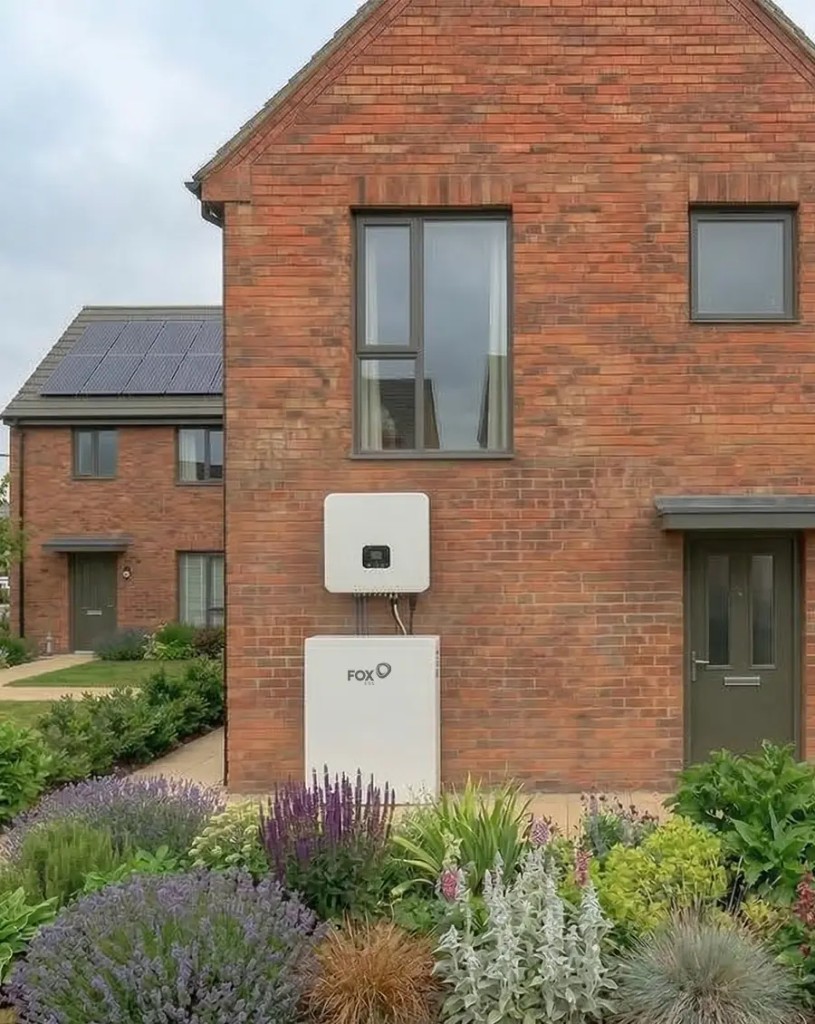
Charge a battery from off-peak grid tariffs at around 7-9p/kWh, then run your home through the evening peak when prices climb past 30p/kWh. Works with or without solar.
Get my battery quote
Most battery sales fall into one of three buckets. Pick the one closest to you and jump to the bit of this page that matters.
Capture surplus instead of exporting it cheap. A battery typically lifts self-consumption from around 40% to 70-80%, so you use the power your roof makes after dark.
See retrofit optionsCharge overnight at Octopus Go, Cosy, or Agile rates from around 7-9p/kWh. Discharge through the evening peak when grid prices climb past 30p. Works without solar.
See the tariff mathsAdd EPS to keep essentials running, or whole-home backup with Tesla Powerwall 3 and the Backup Gateway. Your hardware choice depends on what you need to stay live.
See backup tiersOn a smart tariff, you buy electricity at off-peak rates and use it through the evening peak. Here's the differential on the most common UK tariffs in 2026, and what it's worth on a 10 kWh battery cycled once a day.
Indicative figures based on published Octopus rates and a 10 kWh battery cycled once a day at around 90% round-trip efficiency. Tariffs change quarterly. Your saving depends on usage patterns, household size, and whether you also have solar. Read our battery worth-it guide for the full worked example.
Most home batteries shut down with the grid, by design. Three tiers of backup change that, with different cost, hardware, and what they actually keep running.
When the grid drops, the battery shuts off too. This is required by G98 / G99 anti-islanding regulation for engineer safety. No backup, but no extra cost either.
A pre-wired essentials circuit keeps lights, the fridge, sockets and your broadband router running through an outage. No oven, electric shower, or heat pump on this circuit.
A Backup Gateway switches your entire consumer unit to battery power during an outage. The home runs as normal, transparent unless you check the meter.
Most homes don't need backup beyond the islanding default. If you do, flag it at the quote stage so the right hardware and circuits get specified.
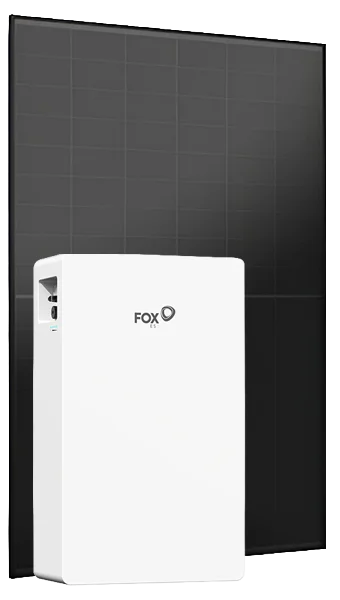
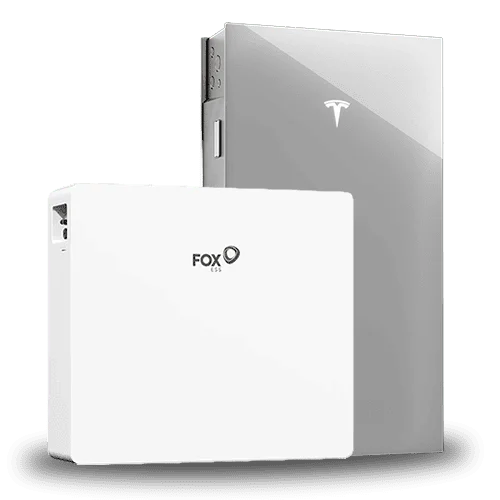
Fox ESS scales from a single 5.76 kWh wall unit up to ~46 kWh stacks, with EPS as an add-on. Tesla Powerwall 3 packs 13.5 kWh, a hybrid inverter, and whole-home backup capability into one box.

Enough for a typical evening. Covers lights, cooking, appliances, and hot water for most households on a smart tariff.

Bigger homes, EV owners filling once overnight, or households with a heat pump pulling power through the evening.

Tesla's flagship battery with built-in hybrid inverter and whole-home backup. Smart energy management and a polished Tesla App to go with it.

Three FOX ESS 6 kWh units stacked together. Built for large homes, EV charging, or households that want to bank a full overnight cycle on Octopus Go or Cosy.

Two Powerwall 3 units paired for serious capacity. Whole-home backup, EV charging, and headroom for the largest homes through the longest evenings.
Battery-only is faster than solar+battery. No scaffolding, no roof access, no DNO solar generation application. Quote to install in 3–5 days, fitting in around a day for most jobs.
Existing solar, smart tariff, or planning backup? A few questions, no visit needed.
All-in price up front. Battery, hybrid inverter where required, wiring, commissioning, DNO notification. Nothing hidden.
No scaffolding. Engineers mount the unit, wire it in, commission, and walk you through the app before they leave.
Home battery systems in the UK start from around four thousand pounds installed. Your exact price depends on the battery capacity, whether you have existing solar, and whether you want whole-home backup.
Charge overnight at around 7-9p/kWh, discharge during peak hours at 25-30p/kWh. The gap is your saving on every cycle.
Avoiding a freezer of spoiled food, keeping the router live for working from home, or just not sitting in the dark. Hard to put a number on, easy to feel when the power goes.
Home battery installations qualify for 0% VAT until March 2027.
Battery payback depends most on your usage pattern: time-of-use tariff, whether you have solar, and how much you draw in the evening. We model your specific case at quote stage. Get a quote for your home and you'll see projected savings before you commit.
Flexible finance
Get your battery installed with no deposit and pay it off over 36 months at 0%. Longer terms available from 9.9%APR Representative over up to 15 years. Subject to status and affordability.
How finance works
See the price up front, with no obligation.
Choose how long you want to spread the cost.
Complete the form in a few minutes. Most people get a decision the same day.
Final terms are confirmed in your formal quote.
36 monthly payments, with the total matching the cash price.
Get installed first, pay monthly. Optional deposit lowers payments.
Clear terms, fixed repayments, no hidden fees.
Straight answers on home batteries, time-of-use tariffs, backup, and installation.
No. A battery pays back two ways. With solar, it captures surplus you'd otherwise export at 5-15p and lets you use it at 28-30p later, lifting self-consumption from around 40% to 70-80%. Without solar, it charges from a smart time-of-use tariff in a cheap overnight window and runs your home through the evening peak. Both work. The right answer depends on your tariff and when you actually use electricity. See our battery worth-it guide for the full maths.
Any tariff with a meaningful gap between off-peak and peak rates. The most common in 2026 are Octopus Go (5-hour overnight window at around 8.5p, especially good for EV charging), Octopus Cosy (off-peak windows in the morning and afternoon at around 13p, designed around heat pump load), and Octopus Agile (half-hourly variable pricing, best with an automated battery scheduler). EDF, OVO and others run similar smart tariffs. Ofgem maintains a neutral overview of smart and time-of-use tariffs. The differential matters more than the supplier name. We size your battery against your chosen tariff so the daily cycle pays back.
Only if it's specified for backup. By default, batteries disconnect when the grid drops, because of G98/G99 anti-islanding regulation. Three options change that. EPS (Emergency Power Supply) keeps a pre-wired essentials circuit live: lights, fridge, sockets, broadband. Available as an add-on on Fox ESS systems, built into Tesla Powerwall 3. Whole-home backup uses a Backup Gateway to switch the entire consumer unit to battery power, transparent to you. Adds around £1,500-£2,500 to a Powerwall 3 install. Flag backup at the quote stage so the right hardware and circuits get specified.
For most retrofits, AC coupling. An AC-coupled battery sits alongside your existing solar inverter and charges from any spare power on your house circuit, so the panels and inverter stay as they are. DC coupling replaces the inverter with a hybrid model and ties the battery directly to the solar DC side, which is slightly more efficient (around 5%) but a bigger job. We default to AC coupling on retrofits unless your existing inverter is at end of life or the efficiency gain pays for the swap. We confirm during the quote.
Most UK 3-bed homes are well served by a 10 kWh battery. With an EV, the question is whether you charge the car off the battery or off the off-peak tariff directly. Usually the latter, since EV charging happens in the same overnight window the battery wants to fill. A 10-13 kWh battery covers the rest of the household. With a heat pump, larger battery sizing helps because you want to bank cheap-rate power to cover the evening heating peak. We typically size 13-20 kWh, often paired with Cosy or a similar tariff. Sizing is a quote-stage conversation.
We notify your Distribution Network Operator (DNO) that the battery is being installed. For most domestic batteries on a single-phase supply, this is a G98 notification, which is a post-install notification. Larger systems above the G98 threshold need a G99 application before the install, and the DNO has up to 65 working days to respond. Battery-only is usually simpler than solar+battery because there's no generation export application required. We handle all the paperwork.
Yes. The battery and inverter you install today work with panels added later. Tesla Powerwall 3 has a built-in solar inverter, so panels connect directly. Fox ESS systems use a hybrid inverter that's already designed to take a solar input. The main extra at solar-add time is the panels, mounting, and an MCS submission for the Smart Export Guarantee. If you know solar's likely within a few years, mention it at the quote stage so we size the inverter accordingly.
Modern lithium iron phosphate (LFP) batteries are rated for around 6,000 charge cycles, which works out to roughly a decade of cycling once a day. The standard manufacturer warranty is 10 years and guarantees the battery will hold at least 70-80% of its original capacity at the end of that period. After the warranty most batteries continue running with reduced capacity rather than failing outright. UKEM adds a 2-year workmanship warranty on top of the manufacturer cover.
Standalone home battery installs typically run from around £4,000 (Fox ESS EP6 at 5.76 kWh) up to £12,000+ (Tesla Powerwall 3 at 13.5 kWh with whole-home backup). The price covers the battery, hybrid inverter where required, isolators, wiring, commissioning, MCS paperwork and DNO notification. A retrofit to existing solar takes around a day. Get a fixed, personalised price through our online quote tool.
Most battery-only installs take around a day on site. No scaffolding, no roof access, no DNO solar generation application. The engineer mounts the battery (typically in a utility room, garage, or outside), wires it into your consumer unit through an isolator, commissions the system, and walks you through the app. Quote to install is usually 3-5 days for a standard retrofit. Powerwall 3 with whole-home backup adds half a day for the Backup Gateway and circuit reconfiguration.
Yes. Home batteries are eligible for our 0% interest finance over 36 months, with no deposit required. Longer terms up to 15 years are available from 9.9% APR Representative. Finance is arranged through FCA-authorised lenders. UKEM acts as a credit broker, not a lender. Most households structure repayments so the monthly cost lines up roughly with their time-of-use tariff savings. See our finance page for how options are structured.