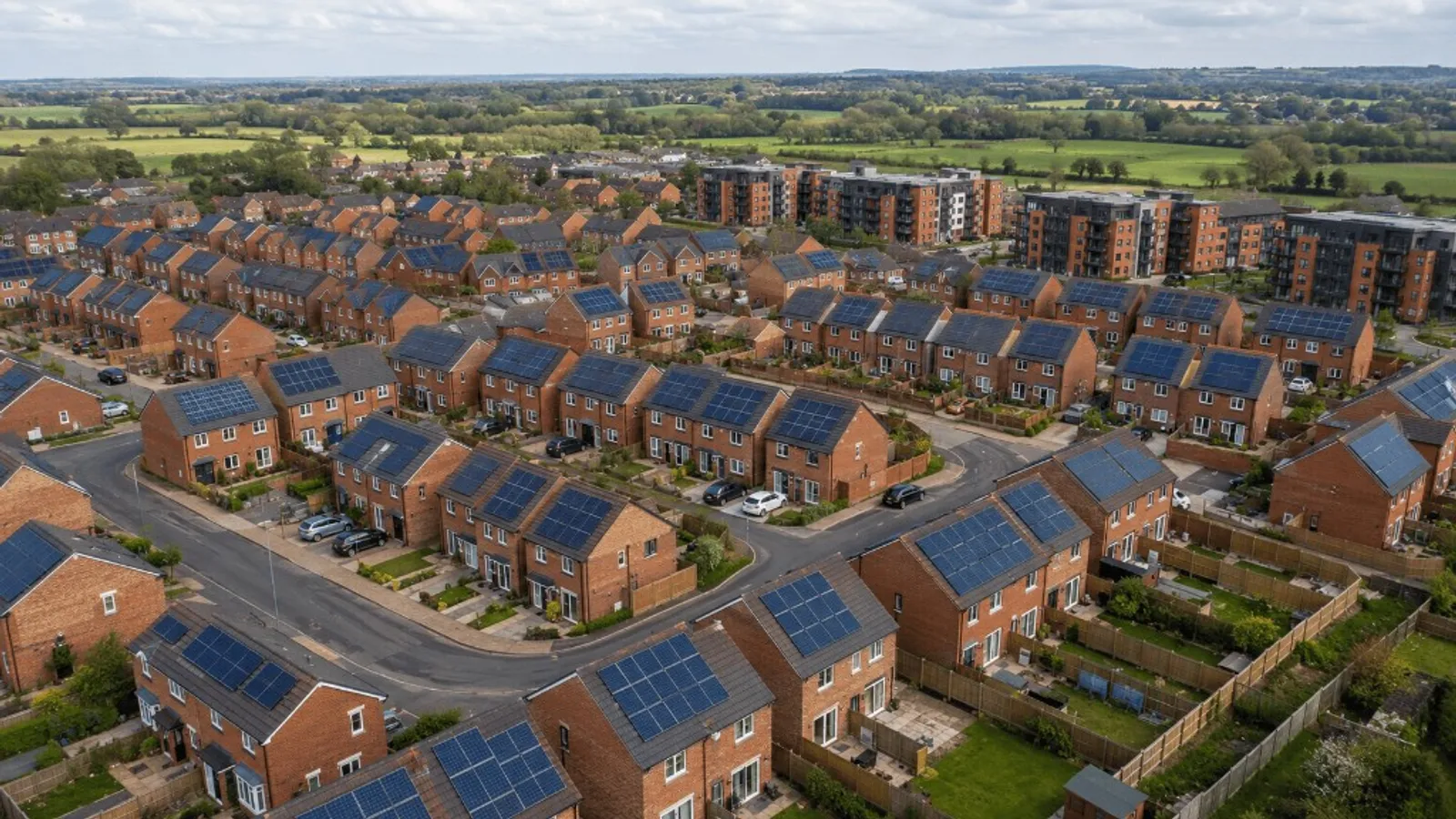
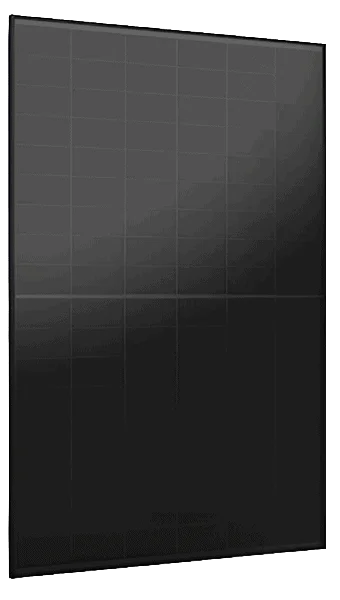





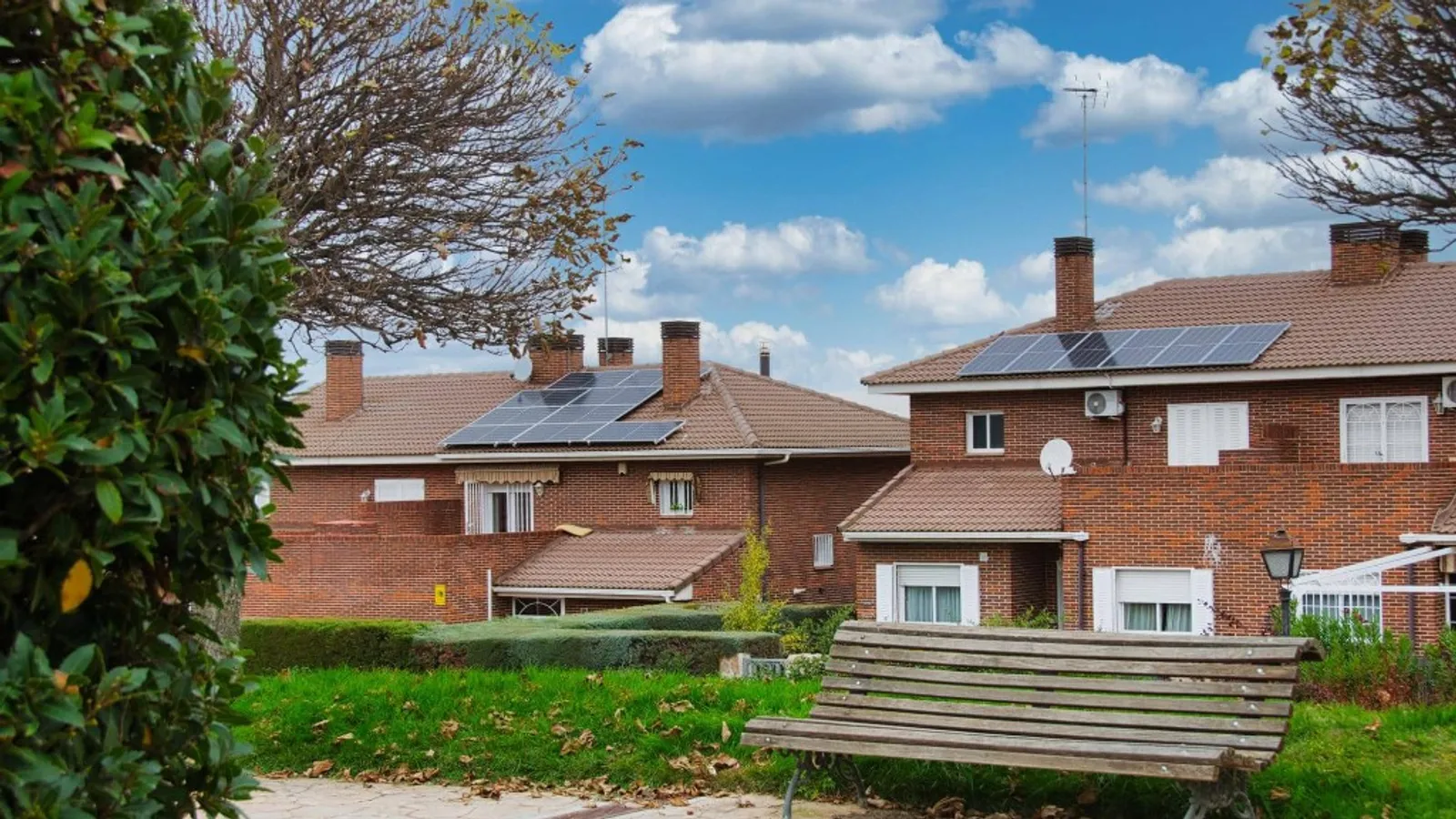
The government has put another £100m into solar for social housing and £40m into extending the Great British Energy schools solar programme. Both were announced on 21 April 2026 as part of the wider Decisive Action package to break the influence of gas on electricity prices. The social housing money will fund installs on up to 57,000 homes in the 2026/27 financial year. The schools money brings another 100 schools and colleges into the programme.
£100m for solar on social housing
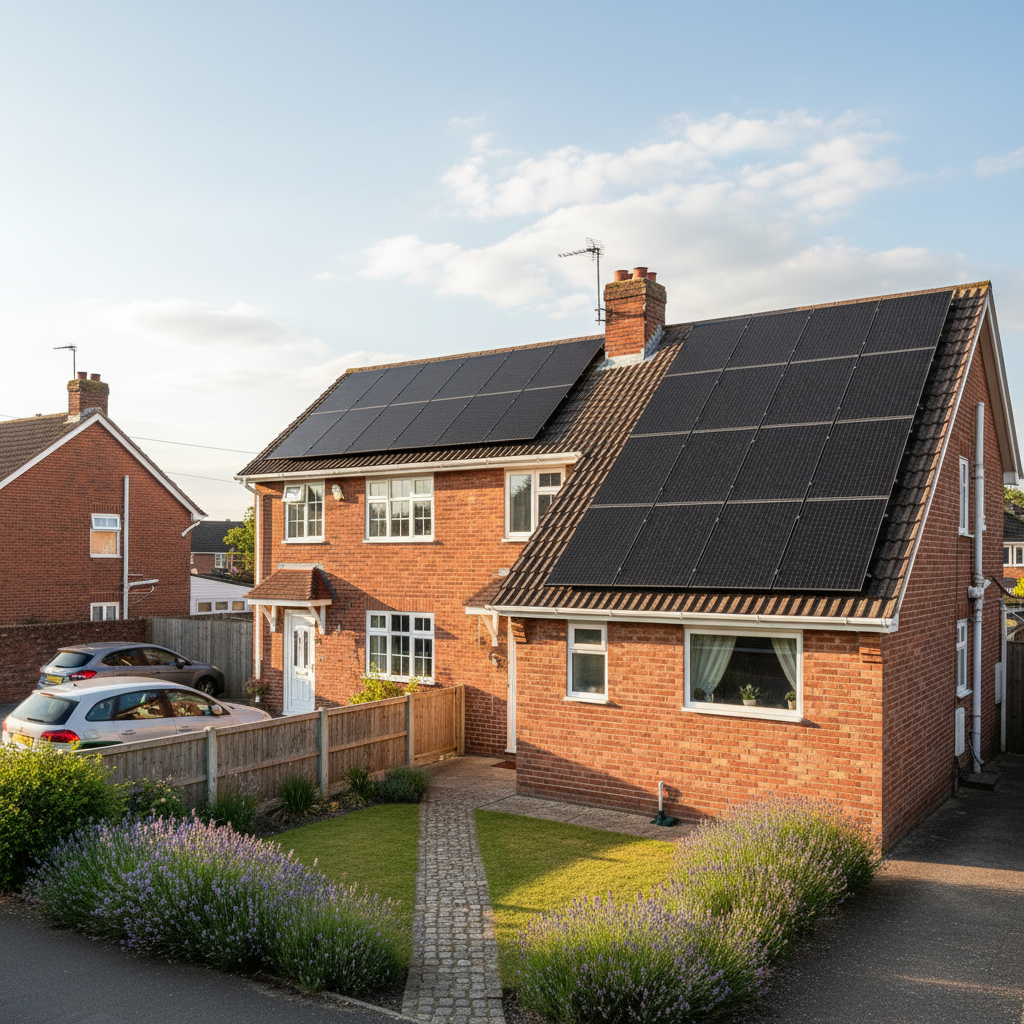
The £100m is a top-up to the existing Warm Homes: Social Housing Fund, which channels capital grants through housing associations and local authorities to retrofit social homes. The new money is ring-fenced for solar PV and rolls out in the current financial year. According to Inside Housing’s coverage of the announcement, the funding could put panels on as many as 57,000 properties between now and April 2027.
Tenants don’t pay for the install. The bill saving runs through their meter, with typical estimates around £400-£500 a year off an electricity bill for a 3-4 kWp array on a well-oriented roof. Housing associations decide which estates get prioritised, generally targeting properties with the highest fuel-poverty risk.
£40m extends solar to 100 more schools
The schools money sits inside the Great British Energy solar programme, which already covers roughly 250 schools and colleges. The £40m extension adds another 100, bringing total coverage close to 350 sites once delivery completes. The government estimates lifetime energy savings of around £520m across the combined schools and NHS rollout.
A typical secondary school install under the programme is sized between 50 and 100 kWp, often paired with a battery to shift midday generation into the teaching day. Cash that schools currently spend on electricity is freed up for staff, maintenance, and equipment.
The full Great British Energy solar programme
Great British Energy is the state-owned clean power company the government set up to invest in renewable generation. Its solar programme is the largest single block of public-sector solar spending in the UK and runs to £255m in total once the schools top-up is included.
| Funding line | Amount | Target |
|---|---|---|
| Schools and colleges (GB Energy) | £80m original + £40m top-up | ~350 schools and colleges |
| NHS sites (GB Energy) | £100m | ~260 NHS Trust sites |
| Military estate (GB Energy) | £35m | Multiple bases across UK |
| Warm Homes: Social Housing Fund solar | £100m | Up to 57,000 social homes |
| Plug-in solar pilot for low-income households | £25m | Pilot scale, household kits |
| Combined April 2026 commitment | ~£300m | Public-sector + low-income |
Lifetime savings across schools and NHS sites alone are estimated above £520m. The wider plan also pencils in up to 10 GW of renewable capacity from public-sector land over the next decade.
A separate £25m plug-in solar pilot
Alongside the rooftop money, the same announcement put £25m into a plug-in solar pilot for low-income households. Plug-in kits, capped at 800W under the new BS 7671 Amendment 4 rules, became legal in UK homes on 15 April 2026. The pilot puts kits into qualifying households as a low-cost route into generation for renters and flat-dwellers who can’t access rooftop solar.
A typical 800W plug-in kit offsets 500-800 kWh a year, worth roughly £150-£250 off an electricity bill at current unit rates. It’s small-scale by design and not a substitute for a rooftop install where one is viable.
What it means for private homeowners
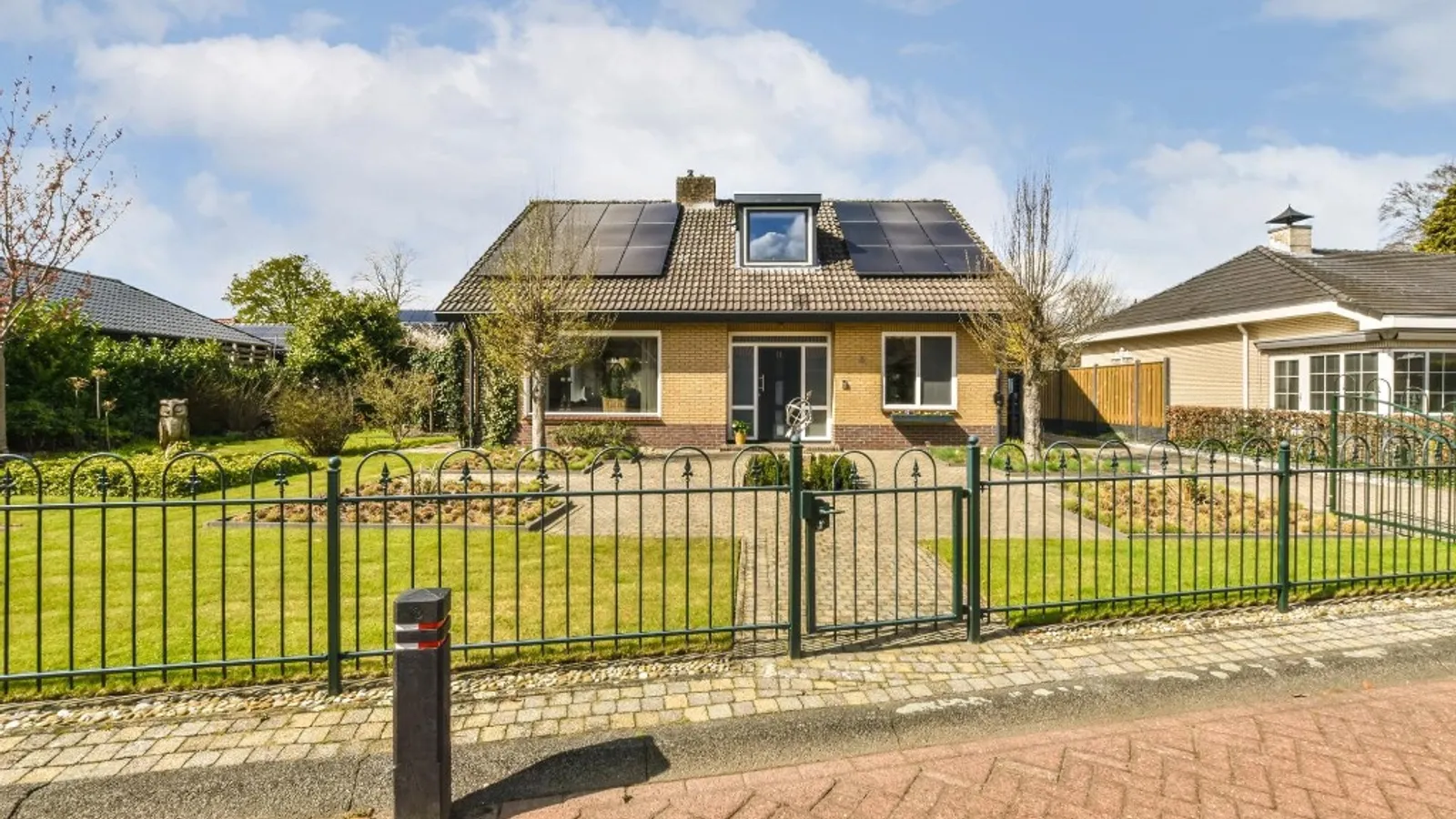
The blunt answer is that none of this April 2026 money pays for an owner-occupier install. The package is aimed at public buildings, social housing tenants, and low-income households. If you own your home and want solar, the financial route is still the same: 0% VAT, a Smart Export Guarantee tariff for export, and the option of pairing panels with a battery to shift more of your own generation to evening use.
The indirect effects matter, though. A £255m public-sector solar pipeline keeps UK installers busy, sustains apprenticeship training, and supports import volume on panels, inverters, and batteries. Domestic system prices have already eased over the past two years. A larger, steadier public order book tends to push that further. The government also confirmed up to 10 GW of renewable capacity sited on public land over the next decade, which feeds into wholesale electricity prices over the longer term.
For sizing your own roof, our how many solar panels do you need guide walks through the maths. If you’re weighing whether to add storage, is battery storage worth it covers payback. For everything else, the solar and battery storage hub is the place to start, and the grants hub shows what’s actually claimable.
The honest read
Public-sector solar rollouts don’t write a cheque for private homeowners, and it’s worth being clear about that. What they do is reduce delivery cost, build installer capacity, and put more renewable generation on the grid, which slowly works its way into wholesale prices. If you’ve been holding off on solar waiting for a new homeowner grant, that wait isn’t likely to end with this announcement. The case for private solar in 2026 still rests on the unit-rate maths, 0% VAT, and the Smart Export Guarantee, not on a top-up from this week’s news.
Frequently asked questions
Does any of this £100m help me as a private homeowner?
What grants are available to private homeowners for solar in 2026?
What is Great British Energy and who runs it?
How big are the systems on these schools and social homes?
Is this part of the Boiler Upgrade Scheme uplift announced the same day?
Last updated: