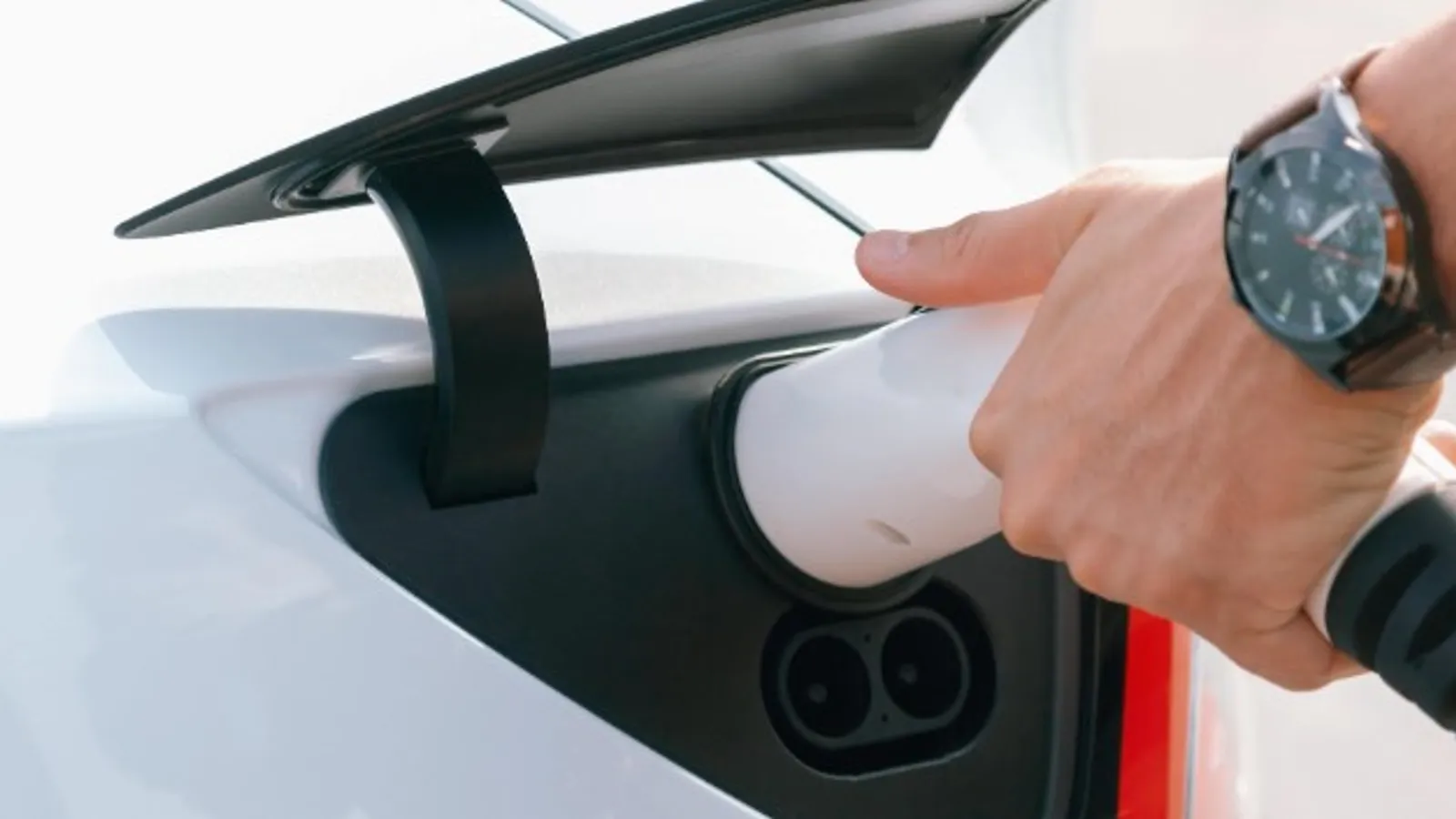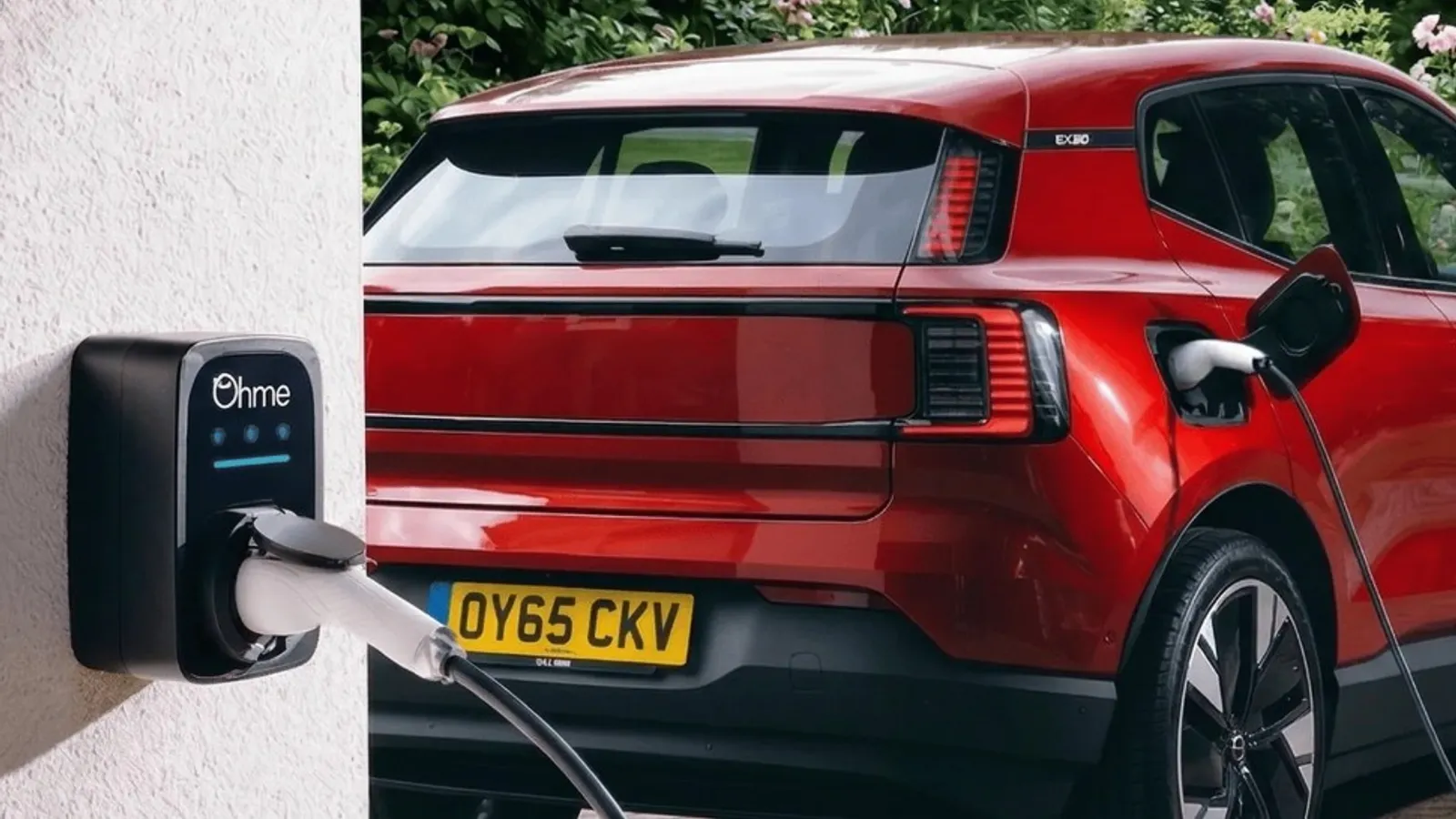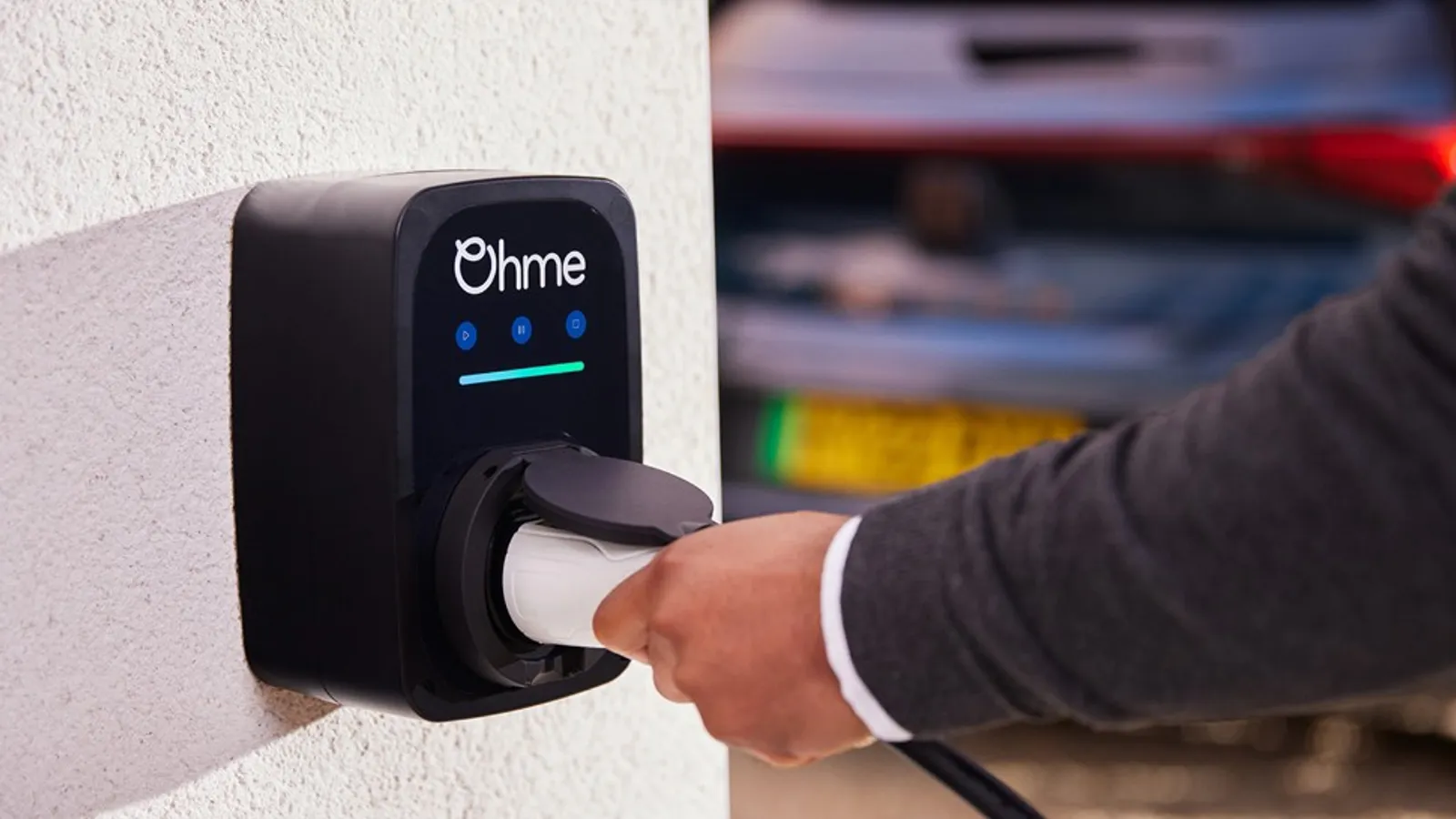






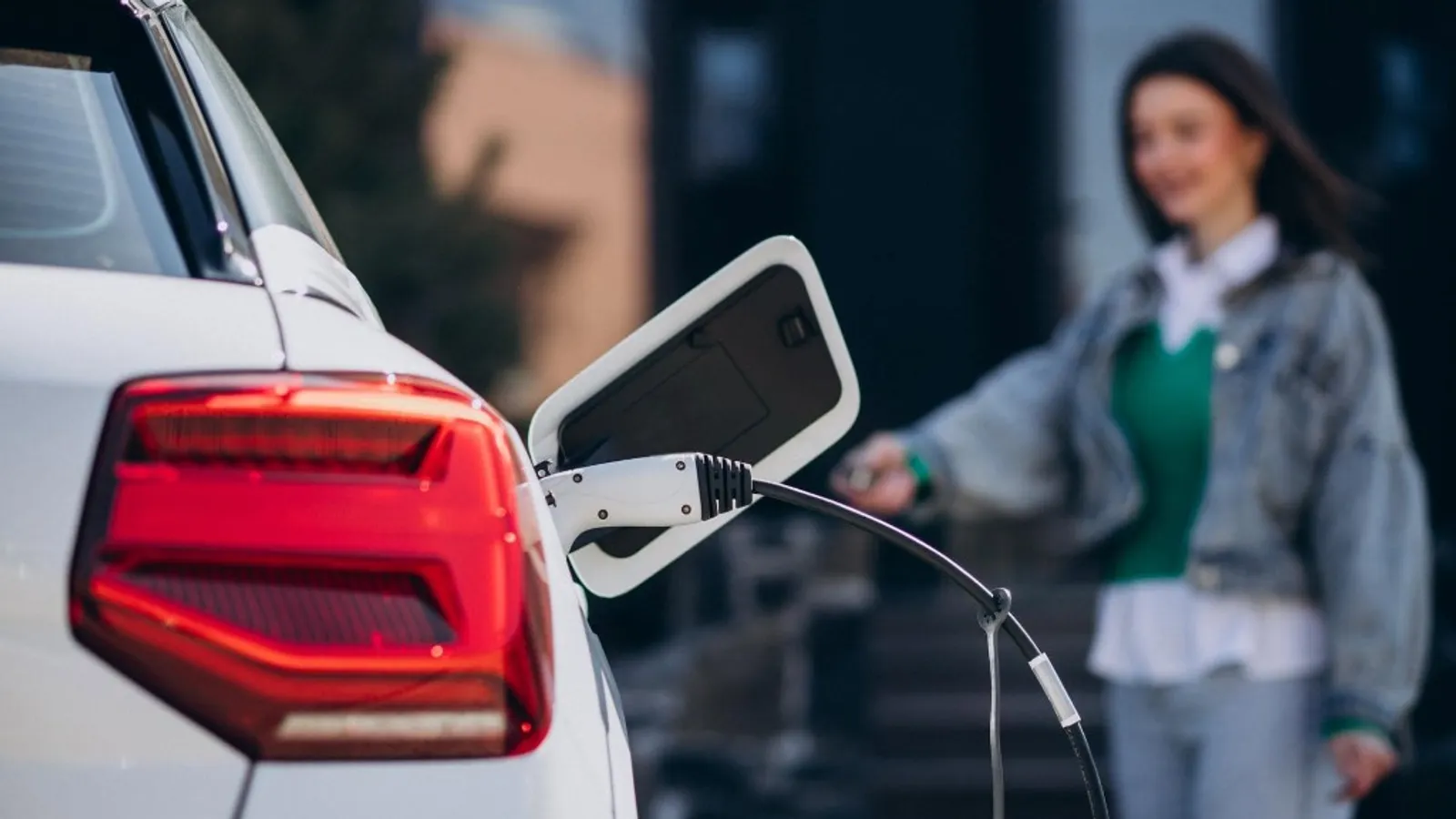
Most UK households with off-street parking can have a 7.4 kW smart charger fitted in about half a day, with quote-to-install around three days. UKEM installs Ohme ePod, Ohme Home Pro, and Tesla Wall Connector. Most fully-installed UK home chargers land in the high-three to low-four figures, depending on the model and how complex the wiring run is. The OZEV grant takes up to £500 off the price for renters, landlords, and flat owners; homeowners who own a house aren’t eligible.
At a glance
Why install a home charger?
Home charging is the cheapest per-kWh way to run an EV. On a standard import tariff you’re paying around 24-28p per kWh. On a time-of-use EV tariff (offered by most major UK suppliers — see Ofgem’s overview of smart tariffs), the overnight rate sits at around 7p per kWh. Public rapid chargers at motorway services typically charge 70-85p per kWh, which works out at four to ten times the cost of charging at home, depending on your tariff.
Combined with overnight scheduling, this is the single biggest reason most EV drivers fit a home charger within a few months of buying the car. Plug in, walk away, full charge in the morning at the lowest rate of the day. The smart EV charging explainer goes deeper on the tariff and scheduling side.
Tethered or untethered: which should you pick?
This is the question every buyer asks. There’s no wrong answer, but most UK households end up happier with a tethered charger.
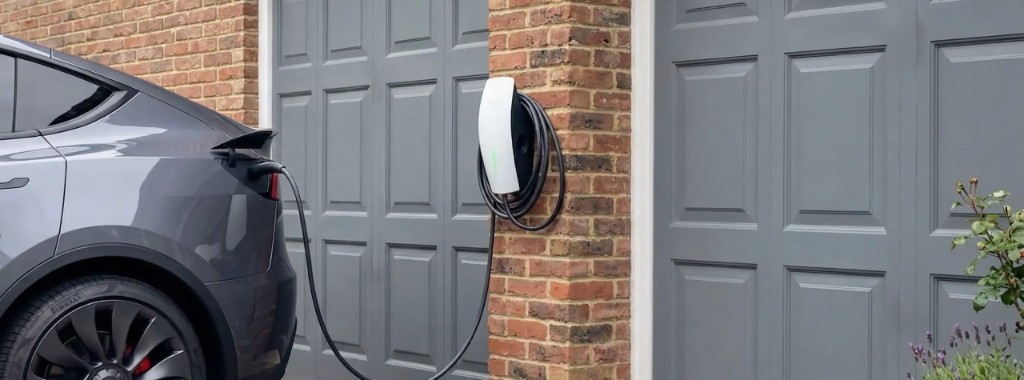
Tethered chargers have the cable permanently attached. You park, unhook the cable, plug in. The cable can’t be stolen or accidentally left in the car when you arrive home. The downside is that the cable is always on the wall.
Untethered chargers have a Type 2 socket on the side. You bring your own cable each time, which is the same one that lives in the boot for public charging. The unit looks tidier when not in use, and if you ever change to a vehicle with a different connector, you swap the cable rather than the whole charger. In practice every modern UK EV uses Type 2, so the future-proofing argument has largely faded.
| Factor | Tethered | Untethered |
|---|---|---|
| Cable | Permanently attached | You bring your own |
| Plugging in | One step (cable always at the wall) | Two steps (fetch cable, fit both ends) |
| Cable theft | Not possible | Possible if cable left out |
| Wall look | Cable visible at all times | Tidy when unplugged |
| Best for | Single-driver households, daily commutes | Multi-EV households, tidier installs |
For drivers who park in the same spot every night, tethered wins on day-to-day convenience. For households sharing one charger between multiple cars, or anyone who wants the wall to look bare when the car’s away, untethered is the cleaner choice.
What does UKEM install?
All UKEM EV chargers are 7.4 kW single-phase units. That’s the maximum a standard UK domestic supply can deliver, enough to add roughly 25 miles of range an hour, or fully recharge a 60 kWh battery overnight in about eight hours.
We fit three models:
- Ohme ePod: compact, app-only, tethered. Full smart features including Solar Boost.
- Ohme Home Pro: same internals as the ePod plus a built-in display, useful if you’d rather check status at the wall than open the app.
- Tesla Wall Connector: managed through the Tesla app, works with any EV that has a Type 2 socket, integrates with a Tesla Powerwall for solar charging.
If you’re shopping for a charger before you’ve chosen a tariff, start with how you want to manage scheduling. Ohme suits people who want app-side control and easy tariff switching. Tesla Wall Connector suits Tesla owners or households already invested in the Tesla ecosystem.
What do you need at home?
A few prerequisites cover most UK driveways:
Install at home if
- You have a driveway, garage, or dedicated parking bay where the cable can reach without crossing a public footpath.
- Your consumer unit has a spare way (or space for an upgrade) for a dedicated 32 A circuit.
- You have reasonable Wi-Fi at the proposed charger location.
- You're staying in the property for at least the next year or two.
Reconsider if
- You only have on-street parking and your local authority doesn't permit cables across pavements.
- You're in a flat with a shared meter cupboard the network operator won't approve.
- You're moving in the next 6 to 12 months and the payback won't reach you.
Most UK homes have a single-phase 100 A supply, which supports a 7.4 kW charger without any upgrade. Three-phase supplies (rare in residential properties) enable 22 kW charging, but very few EVs accept that rate at home and the cost rarely justifies it.
How does the installation work?
Quote-to-install runs to around three days, and the fitting itself takes about half a day on site.
The process is short. We assess your supply and the proposed cable run from photos or a remote site call rather than a separate home survey. On install day, an electrician mounts the unit on the wall closest to your parking space, runs cabling back to the consumer unit, fits a dedicated circuit with RCD and MCB protection, commissions the charger, and walks you through the app. The DNO notification is filed on the same day.
If the wiring run is unusually long or the consumer unit needs an upgrade, we flag it from the photos and confirm the fixed price before any work starts. Nothing on install day comes as a surprise.
What’s included in your quote?
The manufacturer warranty on the charger itself runs up to three years; the 2-year UKEM workmanship warranty covers the install and sits on top of that. Most fully-installed UK home chargers land in the high-three to low-four figures, depending on the charger model and how complex the wiring run is. Your quote shows the all-in price before any OZEV grant is applied. See the EV chargers product page for the current models we’re fitting and how the quote process runs.
Can you get the OZEV grant?
The OZEV Electric Vehicle Chargepoint Grant covers up to £500 or 75% of the install cost, whichever is lower. Eligibility is narrower than most people expect:
- Renters in private or social housing, with the landlord’s written permission.
- Landlords installing on a property they let out (separate landlord application route).
- Flat owners who own and live in a flat with dedicated off-street parking.
Homeowners who own a house are not eligible. This catches a lot of people out. The grant exists to fix the gap at properties where the occupant doesn’t own the building outright; it isn’t designed to subsidise standard owner-occupier driveways. There’s a parallel route for flat owners and renters on gov.uk.
UKEM checks eligibility and applies on your behalf during the install if you qualify. Read the 2026 grants overview for how OZEV sits alongside the Boiler Upgrade Scheme and the Smart Export Guarantee.
When is home charging not the right call?
Most households with a driveway end up better off with a charger; a few cases are worth flagging anyway.
On-street parking. Trailing a cable across a public pavement isn’t permitted under most local authority bylaws, and most home chargers can’t reach safely. Look at workplace charging, on-street local-authority chargepoints (the LEVI scheme), or pavement gully systems where the council allows them.
Shared meter cupboards in flats with no DNO permission. Some older flats have shared supplies the network operator won’t allow a 7.4 kW charger on. We flag this from your photos before quoting.
Plans to move within six to twelve months. A home charger isn’t easily portable. The new buyers will probably value it, but your payback window is too short to make the spend worthwhile yourself.
For everyone else with a driveway and a single-phase supply, a home charger is the most cost-effective bit of EV infrastructure you’ll fit. Once it’s in, you stop thinking about charging and start thinking about everything else.
Frequently asked questions
Can I get an OZEV grant if I own my house?
Should I get a tethered or untethered EV charger?
Do I need planning permission for a home EV charger?
How long does a home EV charger installation take?
Can I charge my EV from solar panels?
Last updated: