






Five government schemes currently help UK homeowners cut the cost of energy upgrades in 2026: the Boiler Upgrade Scheme (BUS), the OZEV EV chargepoint grant, ECO4, the Smart Export Guarantee (SEG), and 0% VAT on energy-saving installations. Between them, you can claim up to £7,500 off an eligible heat pump, £500 off an EV charger, fully funded insulation if you receive certain benefits, ongoing payments for surplus solar exports, and zero VAT on solar, batteries, heat pumps, and insulation until March 2027. Scottish residents access the BUS-equivalent grant through Home Energy Scotland, with interest-free loans available alongside the grant.
Two of these schemes are about to change. ECO4 is set to wind down within nine months and a successor programme is expected, though specifics have not been published. The 0% VAT zero rate ends in March 2027, after which the previous 5% reduced rate is expected to return. BUS funding is confirmed through 2028, OZEV continues with current eligibility, and SEG runs indefinitely. If a major upgrade is on your list for 2026 or 2027, both the grants and the timing matter.
The five schemes at a glance
What’s changing in 2026 and 2027?
Two grants have hard end dates. One has a wind-down already in motion. The rest are stable.
The practical takeaway: if you are eligible for ECO4-funded measures, apply now rather than waiting for clarity on the successor scheme. If you are paying for solar, batteries, a heat pump, or insulation out of pocket, scheduling work before March 2027 keeps the zero-VAT saving locked in. BUS heat pump installs are funded through 2028, so the timing pressure there is lower.
Boiler Upgrade Scheme (BUS): up to £7,500 off an eligible heat pump
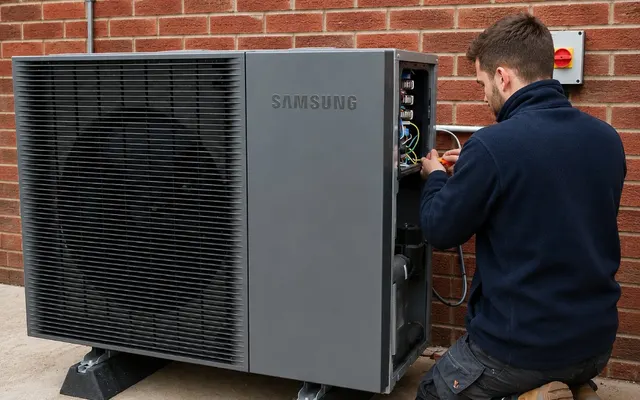
The Boiler Upgrade Scheme is the headline grant for households moving away from fossil-fuel heating. It pays up to £7,500 toward an air source or ground source heat pump when the published eligibility tests are met, applied as a discount on your installation invoice.
How much you get. £7,500 is the published rate for many qualifying heat pump installs in England and Wales. Check gov.uk for the live figure; installers can only ever redeem what Ofgem has switched on when your voucher pays out.
Who qualifies. Homeowners and small landlords in England and Wales with a property built before 2025. The home must not already have a heat pump, and the work must be done by an MCS-certified installer. EPC requirements were dropped in 2024, so an outdated EPC score is no longer a blocker by itself.
What it covers. Air source and ground source heat pumps at the published grant level. Hybrid systems and air-to-air systems are not eligible.
How to apply. Your installer applies through the MCS portal on your behalf, the grant is voucher-based, and the saving is taken off the install price. Funding is confirmed through 2028. Full eligibility detail is on gov.uk. For how a heat pump compares to keeping a gas boiler, see the heat pump vs gas boiler guide and the heat pumps product page.

OZEV EV chargepoint grant: who actually qualifies?
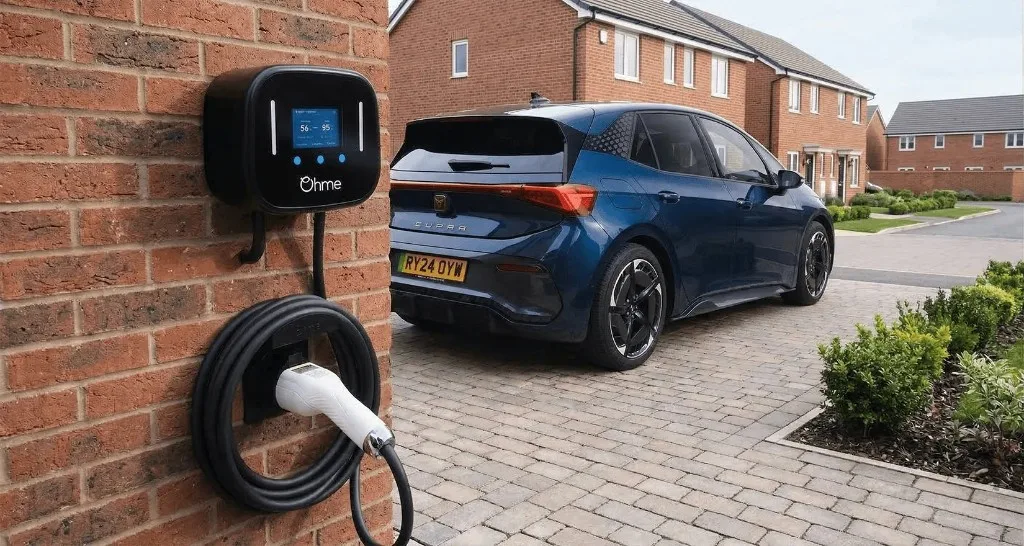
The OZEV grant pays up to £500, or 75% of the installation cost, whichever is lower. It is administered by the Office for Zero Emission Vehicles and applied as a direct discount on your home charger install. Eligibility was narrowed since the original universal homeowner version.
Who qualifies. The grant is now restricted to specific groups:
- Renters in private and social rental properties
- Landlords installing chargers at properties they let out
- Flat owners (owner-occupiers in flats with dedicated parking)
Who doesn’t qualify. Homeowners who own a house. If you own a freehold or leasehold house with a driveway or garage, you cannot claim OZEV in 2026. The 0% VAT rate still applies when the install is bundled with other energy-saving measures.
What you need. Off-street parking allocated to your property, an OZEV-approved charger (most major brands qualify), and proof of an electric or plug-in hybrid vehicle.
How to apply. Your installer applies on your behalf. UKEM checks eligibility during the quote process and submits the application before the work starts. The full guidance is on gov.uk. For the practical install side, see the home EV charger guide and the EV chargers product page.
Is ECO4 still available, and what’s coming next?
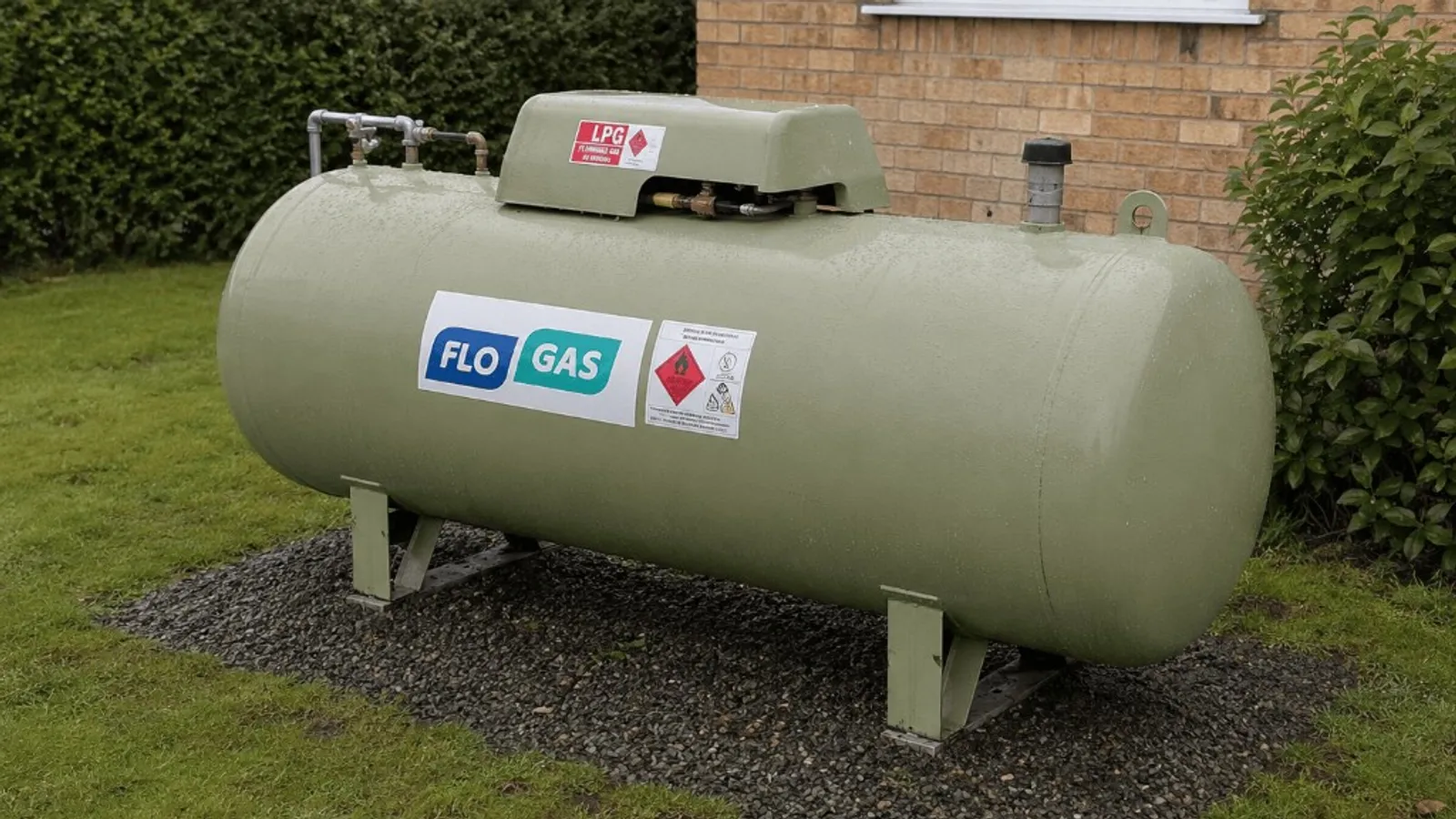
ECO4 (the fourth iteration of the Energy Company Obligation) is the long-running fuel-poverty scheme funded by large energy suppliers and administered by Ofgem. It is the only grant on this list that can fully fund a major retrofit at no cost to the homeowner.
Who qualifies. Households receiving certain means-tested benefits and living in EPC band D, E, F, or G properties. Qualifying benefits include Universal Credit, Pension Credit, Child Tax Credit, Working Tax Credit, Income Support, and Income-Based Jobseeker’s Allowance. Local authority “ECO Flex” schemes widen eligibility for low-income households not on benefits, with criteria varying by council.
What it covers. Loft insulation, cavity wall insulation, internal and external solid wall insulation, boiler replacements, first-time central heating, and some renewable installations including solar PV. The scope depends on what your home actually needs based on a property assessment.
The transition. ECO4 is set to wind down within the next nine months and is expected to be replaced by a successor programme. The government has not published the specifics. Until the new scheme is in place, ECO4 funding continues, but eligibility windows are tightening as suppliers complete their obligations. Check current eligibility before applying; don’t assume what was funded last year is still funded today.
How to apply. Through an authorised installer who works with the obligated energy suppliers. UKEM checks eligibility based on the benefits in your household and a property assessment, and runs the funding application end to end. If you qualify, the work is fully funded.

How does the Smart Export Guarantee work?
Solar isn’t grant-funded the way a heat pump is, but the Smart Export Guarantee gives you ongoing income from the system. Every licensed electricity supplier with 150,000 or more customers must offer an SEG tariff. You pick the supplier; it doesn’t have to be your import supplier.
What it pays. Rates currently range from around 5p per kWh up to about 15p per kWh, with some time-of-use plans paying more during peak export windows when grid prices are high. The figures move; check the latest tariff before you sign, and re-shop annually.
Who qualifies. Any homeowner with solar PV (or other small-scale generation up to 5 MW) installed by an MCS-certified installer. You need a smart meter that reports half-hourly export readings, and your system needs to be registered with MCS at handover.
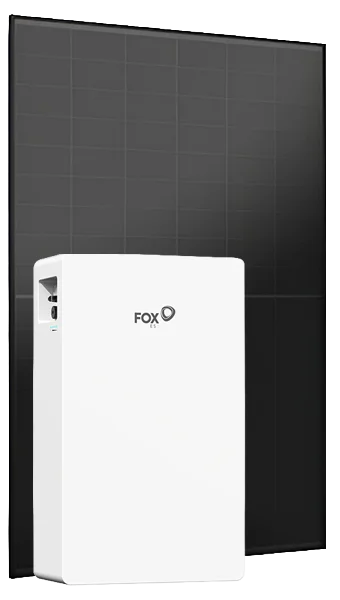
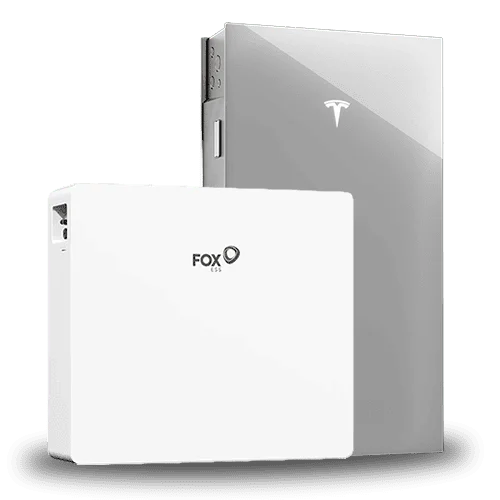
How to register. Once your panels are commissioned and the MCS certificate is issued, you apply directly to your chosen SEG supplier. Some suppliers require you to import from them; many don’t. Pair SEG with a battery and a time-of-use import tariff, and the maths shifts further in your favour. The is battery storage worth it guide walks through that calculation in detail. The solar and battery product page covers the brands UKEM installs.
0% VAT on energy-saving installations until March 2027
Since April 2022, the UK government has applied a zero rate of VAT to qualifying energy-saving materials and their installation. On a typical solar-and-battery quote, this is a four-figure saving baked into the headline price.
Who qualifies. All UK homeowners. There is no income test and no means assessment.
What it covers. Solar panels, battery storage, air source and ground source heat pumps, water-source heat pumps, wind turbines, and most insulation products. Hot water cylinders and smart thermostats also qualify when installed alongside other energy-saving measures.
How long it lasts. The zero rate is in place until March 2027. After that, the previous 5% reduced rate is expected to return for the same product list. This is the easiest concession to act on, because it applies regardless of household income or property type. Full guidance is on gov.uk.
What if I live in Scotland?
Scotland runs its own equivalent to BUS via Home Energy Scotland, funded by the Scottish Government. The headline difference: alongside the grant, Scottish residents can also access an interest-free loan, which often covers the rest of the install cost. Eligibility, application route, and timing differ from BUS, so check the Home Energy Scotland route directly rather than assuming the English rules apply. UKEM operates across UK mainland (including Scotland) and works within the Home Energy Scotland process where it applies.
How do the five schemes compare?
| Scheme | Maximum value | Who qualifies | What it applies to | Status |
|---|---|---|---|---|
| BUS | £7,500 | Homeowners, England and Wales | Heat pump replacing fossil-fuel heating | Funded through 2028 |
| OZEV | £500 | Renters, landlords, flat owners | Home EV charger installation | Continuing |
| ECO4 | Full funding | Benefits + EPC D-G | Insulation, heating, some solar | Winds down 2026/27 |
| SEG | 5p to 15p+ /kWh | Any solar owner with MCS install | Surplus solar exports | Continuing |
| 0% VAT | Variable | All UK homeowners | Solar, batteries, heat pumps, insulation | Ends March 2027 |
The grants you can claim depend more on what you're installing than where you live, but Scotland is the exception.
Scenarios: which grants apply to your home?
A few real-world combinations show how the schemes stack and where the value sits.
Three-bed semi, gas-heated, owner-occupier. A heat pump install pays £7,500 BUS plus 0% VAT until March 2027. Solar paired with a battery gets the 0% VAT rate and an SEG export tariff once commissioned. An EV charger does not get OZEV (you own a house), though 0% VAT applies if the charger is bundled with other qualifying measures.
Off-grid Welsh cottage on oil heating. BUS still pays the published grant when the home qualifies; insulation and 0% VAT often matter as much as the voucher. If the household is on means-tested benefits, ECO4 may also fund insulation while the scheme remains live, stacking on top of BUS for the heat pump itself.
Renting a flat in Manchester. ECO4 may apply if your landlord agrees and the property qualifies. The OZEV chargepoint grant applies if you have a dedicated parking space and your landlord consents. SEG and BUS don’t apply to a tenant directly, but a landlord can install solar or a heat pump and pass the benefit through the rental arrangement.
Scottish homeowner, gas-heated. BUS does not apply directly; instead, Home Energy Scotland combines a grant with an interest-free loan. The 0% VAT rate still applies. SEG works the same way it does in England and Wales.
When grants don’t apply
It’s worth being upfront about the setups outside every scheme on this list, so you don’t spend time chasing money that isn’t there.
- Replacing a gas boiler with another gas boiler. No grant applies. The 0% VAT rate covers energy-saving materials, not standard gas combi swaps. The new boiler guide covers the practical decision.
- Owning a house and wanting an EV charger. OZEV doesn’t apply. Only the 0% VAT and any installer or manufacturer offers.
- Higher-income households without children or pension credit. ECO4’s fuel-poverty criteria won’t apply. The route in is the 0% VAT and BUS for heating.
- Air-to-air heat pumps and hybrid systems. Not eligible for BUS. They can still be the right call in some homes, but they don’t qualify for the £7,500 grant.
- Northern Ireland or the islands. Outside this article’s scope and outside UKEM’s service area. UKEM operates on UK mainland (England, Scotland, Wales).
How to check what you qualify for
A practical sequence works better than guessing your way through application forms.
- Identify what you actually want to install. Heat pump, EV charger, solar, insulation, or several of these.
- Check the geography. UK mainland, England and Wales, or Scotland. The grants split along those lines.
- Check the eligibility criteria. Property age and existing heating system for BUS; tenure and parking for OZEV; benefits and EPC band for ECO4.
- Get an MCS-certified quote. For solar and heat pumps, MCS certification is mandatory for any grant. Quotes from non-MCS installers are not grant-eligible.
- Have the installer run the application. Every grant on this list except 0% VAT (which is automatic) is applied for by the installer. Don’t pay anyone who tells you otherwise.
For most owner-occupier UK homeowners, the four grants that actually matter are 0% VAT (almost universal), BUS (if you’re switching from fossil-fuel heating), SEG (if you install solar), and OZEV (only if you’re a renter, landlord, or flat owner). ECO4 covers low-income households on means-tested benefits while the scheme remains live; Scottish residents go through Home Energy Scotland for the BUS-equivalent grant and interest-free loan. UKEM applies for any grants you qualify for as part of the installation, so the paperwork is built into the quote process.