
















Energy regulator Ofgem has confirmed the price cap will rise 4% from 1 October 2026, taking a typical dual-fuel bill from £1,663 to £1,723 a year. The headline hides the real story: gas unit rates jump 8.7% while electricity barely moves, because the government is removing the 5% VAT on household electricity for the whole winter. For anyone weighing up solar and battery storage or a heat pump, the numbers have shifted in electricity’s favour.
What changes on 1 October
The Ofgem announcement of 26 August sets the cap for 1 October to 31 December 2026. It limits what suppliers can charge per unit and per day on default tariffs, covering around 22 million households in England, Scotland and Wales.
| Rate | July to September 2026 | October to December 2026 |
|---|---|---|
| Electricity unit rate | 26.11p per kWh | 26.32p per kWh |
| Electricity standing charge | 57.19p per day | 54.83p per day |
| Gas unit rate | 7.33p per kWh | 7.97p per kWh |
| Gas standing charge | 29.04p per day | 29.68p per day |
One reading note on the electricity row: the summer figure includes 5% VAT and the October figure includes none, so the underlying supplier price did rise. Ofgem itself says the two periods cannot be compared directly. What a household actually pays per unit of electricity, though, is close to flat, while gas climbs steeply.
Around 35% of households, roughly 11 million, are on fixed tariffs and will not see the October increase at all.
Why is gas rising so much faster than electricity?
Wholesale gas costs did the damage. Ofgem attributes most of the October rise to higher wholesale prices feeding through the gas side of the cap, and winter is when that side of the bill dominates for the 85% of homes that heat with a gas boiler.
Electricity was heading the same way until the government stepped in. On 21 July it announced a temporary zero rate of VAT on domestic electricity, running from 1 October 2026 to 31 March 2027 across England, Scotland and Wales. Without it, the electricity unit rate would have risen by roughly the same margin as the underlying costs; with it, the rate a household pays nudges up by a fifth of a penny.
There is a second technical change worth knowing about. Ofgem has updated its Typical Domestic Consumption Values, the usage assumptions behind the headline figure, because homes now use around 7% less electricity and 17% less gas than at the last review. On the old assumptions the same rates would have produced a headline of £1,935, so treat the £1,723 as a comparison tool, not a prediction of your bill.
The gas-to-electricity ratio just moved
For years the rule of thumb was that a unit of electricity costs about three and a half times a unit of gas. From October that ratio drops from 3.6 to 3.3, and it changes the arithmetic for electric heating.
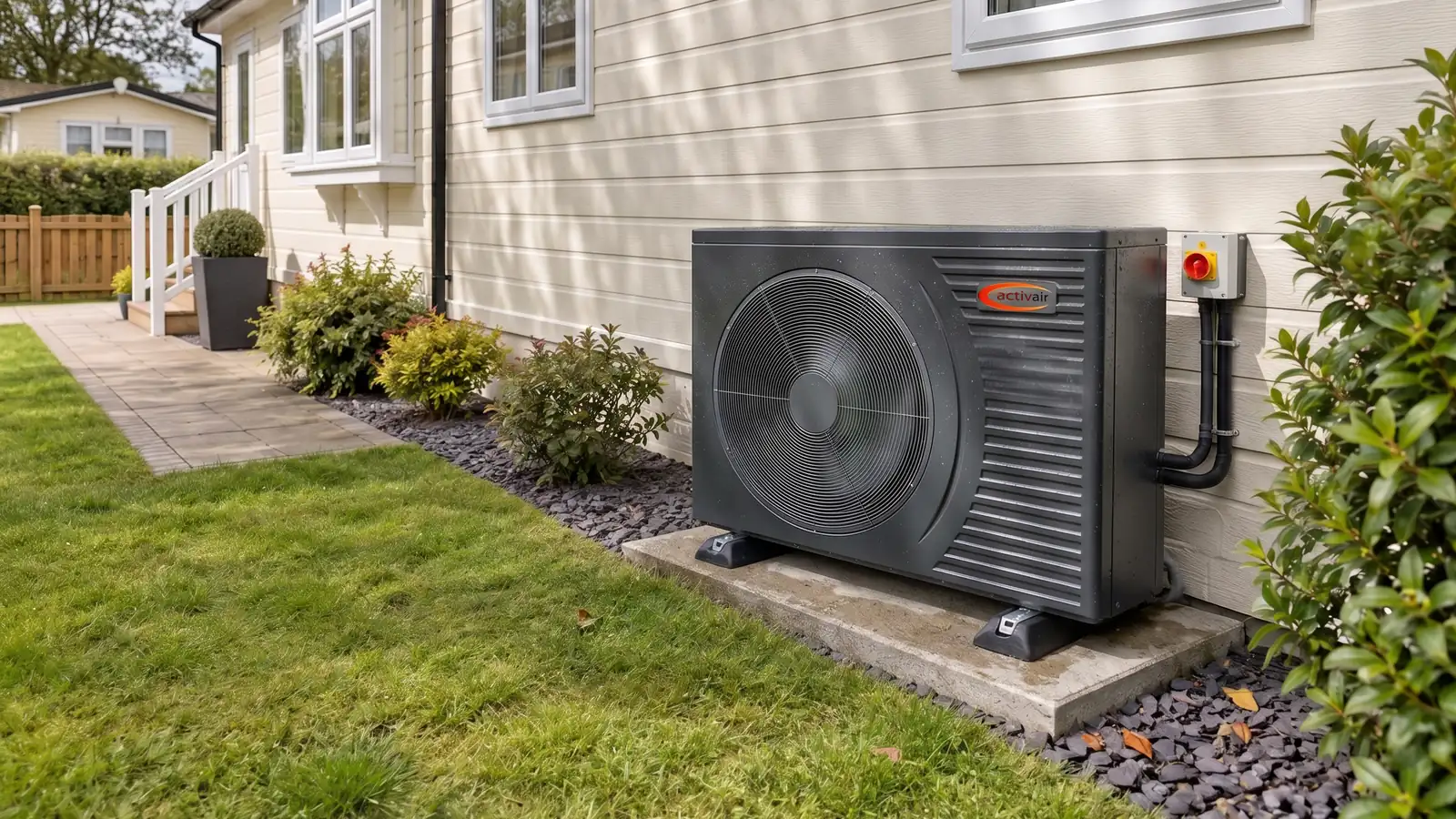
A gas boiler running at 90% efficiency turns 7.97p gas into heat at roughly 8.9p per kWh. An air source heat pump with a seasonal efficiency of 3.5 turns 26.32p electricity into heat at about 7.5p per kWh, and even a modest 3.0 system lands around 8.8p. On standard rates, a well-installed heat pump now delivers heat cheaper than gas before any special tariff is applied, and dedicated heat-pump tariffs push the gap wider. The full worked figures are in our heat pump running costs guide.
Going all-electric eventually removes the gas standing charge too, which at 29.68p a day is around £108 a year before you burn a single unit.
Solar and batteries blunt the rise entirely
The cap only matters for the electricity you buy. A typical 4 kWp solar array generates around 3,400 to 4,200 kWh a year, and every one of those units you use yourself is a unit you do not buy at 26.32p.

Without storage, most households self-consume around 40% of what their panels generate, because generation peaks at midday and demand peaks in the evening. Adding a battery lifts that to 70 to 80%, and the maths of when that pays is covered honestly in is battery storage worth it. What you still export earns Smart Export Guarantee payments on top.
Winter is the weakest season for generation, so solar will not erase a winter bill. Its effect compounds across the year: the panels carry the summer and shoulder months, the battery squeezes more value from every generated unit, and the VAT-free winter rates make the remaining imports cheaper.
What can you do before winter?
- Check your tariff. If you are on a fix, the October rise passes you by. If you are on a default tariff, compare what a fix offers against capped rates before the January announcement.
- Do nothing to claim the VAT cut. Suppliers apply the zero rate automatically from 1 October, on fixed and default tariffs alike. Our guide to what 0% VAT on electricity means for your home goes product by product.
- If you have been weighing up solar, a battery or a heat pump, run the numbers at the new rates. Grant support is unchanged: the UK energy grants guide covers the Boiler Upgrade Scheme, 0% VAT on installations and the Smart Export Guarantee.
- Diarise 25 November. That is when Ofgem announces the January to March 2027 cap, the next big signal on winter costs.
The direction of travel is the story here. Gas is drifting up, electricity is being actively cheapened by policy, and the technologies that run on electricity, or generate it on your roof, benefit from both ends of that squeeze.
See more from UKEM in your Google results.

Frequently asked questions
How much is the energy price cap from October 2026?
From 1 October to 31 December 2026 the cap works out at £1,723 a year for a typical dual-fuel household paying by direct debit, a 4% rise on the £1,663 summer figure. The cap limits unit rates and standing charges, not your total bill: electricity is capped at an average 26.32p per kWh with a 54.83p daily standing charge, and gas at 7.97p per kWh with a 29.68p daily standing charge. Use more, pay more.
Is there VAT on electricity bills from October 2026?
No. The government has removed the 5% VAT on domestic electricity in England, Scotland and Wales from 1 October 2026 to 31 March 2027. Suppliers apply it automatically, including on fixed tariffs, so there is nothing to claim. Gas keeps its 5% VAT. The average household saves around £45 over a year at typical usage; homes that heat, drive or cook on electricity save more because the relief scales with every unit used.
Does the October rise affect me if I'm on a fixed tariff?
The cap only governs default (standard variable) tariffs, so a fixed deal keeps its agreed rates until it ends. Ofgem estimates around 35% of households, roughly 11 million, are on fixed tariffs and will not see the October increase. You still benefit from the electricity VAT removal, which applies to fixed tariffs too. When your fix ends you fall back onto capped rates unless you choose a new deal.
Will the price cap change again in January 2027?
Yes, the cap is reviewed every three months. Ofgem will announce the January to March 2027 level by 25 November 2026, with the April to June level following by 23 February 2027. Wholesale gas costs drove the October rise, and winter caps have historically been the most volatile, so the January figure is the one to watch if you are weighing up a fixed deal this autumn.
Do heat pumps cost less to run than gas boilers at the new rates?
The maths has tightened in the heat pump's favour. At the October rates, a gas boiler running at 90% efficiency delivers heat at roughly 8.9p per kWh, while an air source heat pump at a seasonal efficiency of 3.5 delivers it at about 7.5p per kWh on standard electricity. Even at a modest efficiency of 3.0 the heat pump comes in around 8.8p, level with gas. Heat-pump tariffs with cheaper off-peak windows widen that gap further.