











Battery electric cars took 29.8% of UK new car registrations in August, the highest August share on record, according to the SMMT’s latest figures. That is 28,063 new battery electric cars in one of the market’s quietest months, up 27.7% on August 2025, and it makes almost three in ten new cars fully electric. For households making the switch, the practical question is what it costs to run one, and the answer still starts with a home EV charger.
What the August numbers actually show
August is a small month for car sales because buyers wait for September’s new number plate, which makes percentage shares swing more than usual. The SMMT flags this itself: a seasonal BEV spike has appeared every August since 2023. Even allowing for that, the underlying table is strong.
| Powertrain | August 2026 | Change vs Aug 2025 | Market share |
|---|---|---|---|
| Battery electric (BEV) | 28,063 | +27.7% | 29.8% |
| Plug-in hybrid (PHEV) | 13,707 | +39.8% | 14.5% |
| Hybrid (HEV) | 11,940 | +26.3% | 12.7% |
| Petrol | 36,048 | -3.5% | 38.3% |
| Diesel | 4,478 | +4.0% | 4.8% |
Every plug-in category grew by a quarter or more while petrol shrank. Across 2026 so far, 355,746 battery electric cars have been registered, a 25.6% share of the market and a record for the first eight months of any year. The UK now has over two million electric vehicles on its roads, served by a public network that passed 120,000 chargers back in April.
September is the real test. It is one of the two biggest months of the year, and a strong plate-change month at these shares would confirm the trend has volume behind it.
Is the ZEV mandate being met?
The zero emission vehicle mandate requires 33% of each manufacturer’s 2026 car sales to be zero emission on the headline measure, though credit trading and other flexibilities bring the effective industry-wide figure down substantially, and independent analysis puts the market slightly ahead of the adjusted trajectory.
The backdrop is a live government review of the ZEV mandate, open until 23 October 2026. It asks whether the yearly targets on the way to 2030 remain right, and it includes options that would lower them. The 2030 commitment itself, ending sales of new pure petrol and diesel cars, is not what is being consulted away; the argument is about the slope of the line, not the destination.
For a buyer none of this changes much. Manufacturers still need to sell electric cars in volume, which is why over 160 EV models are now on sale in the UK and why discounting on them has been persistent.
What the record means if you’re switching
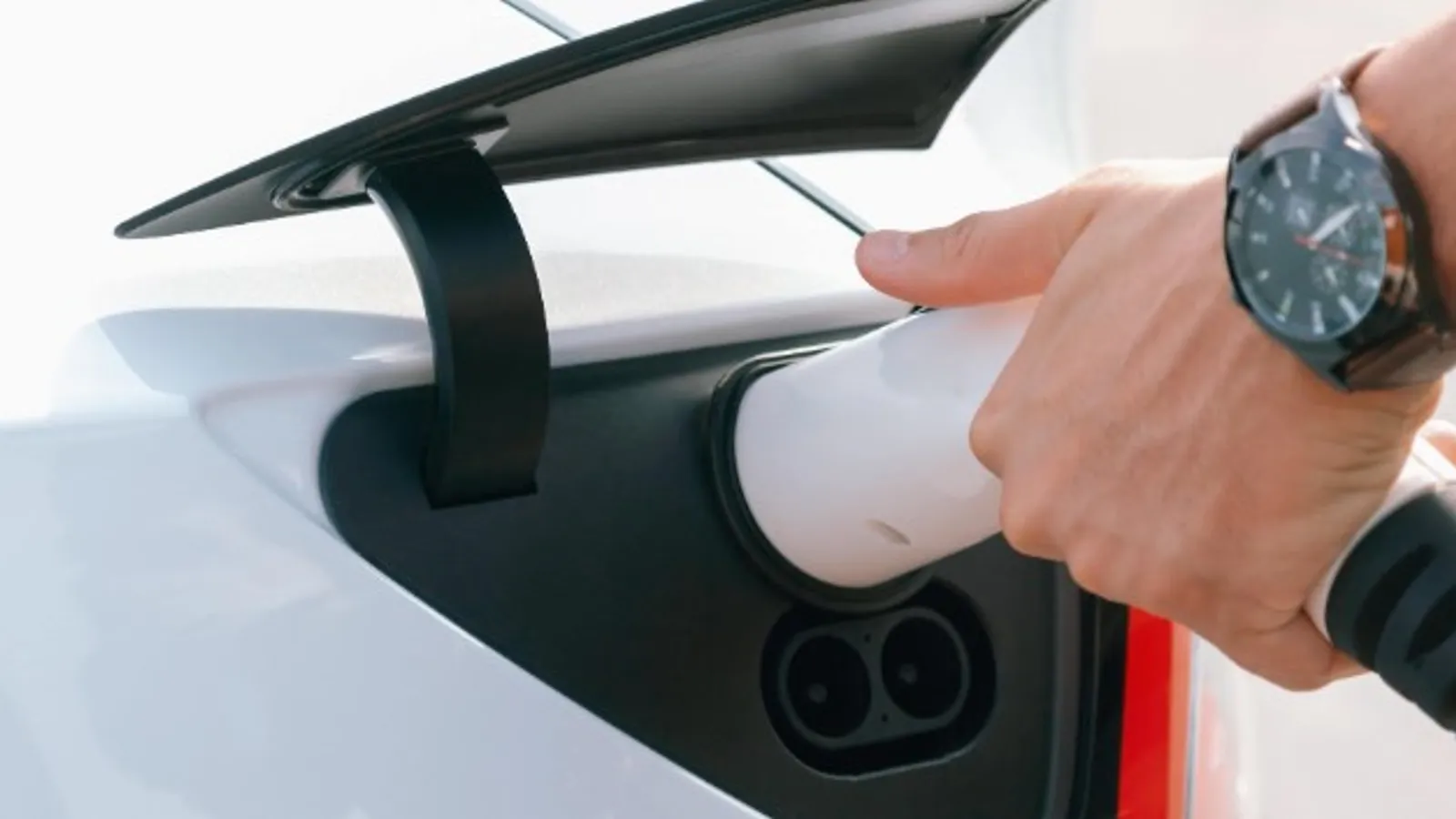
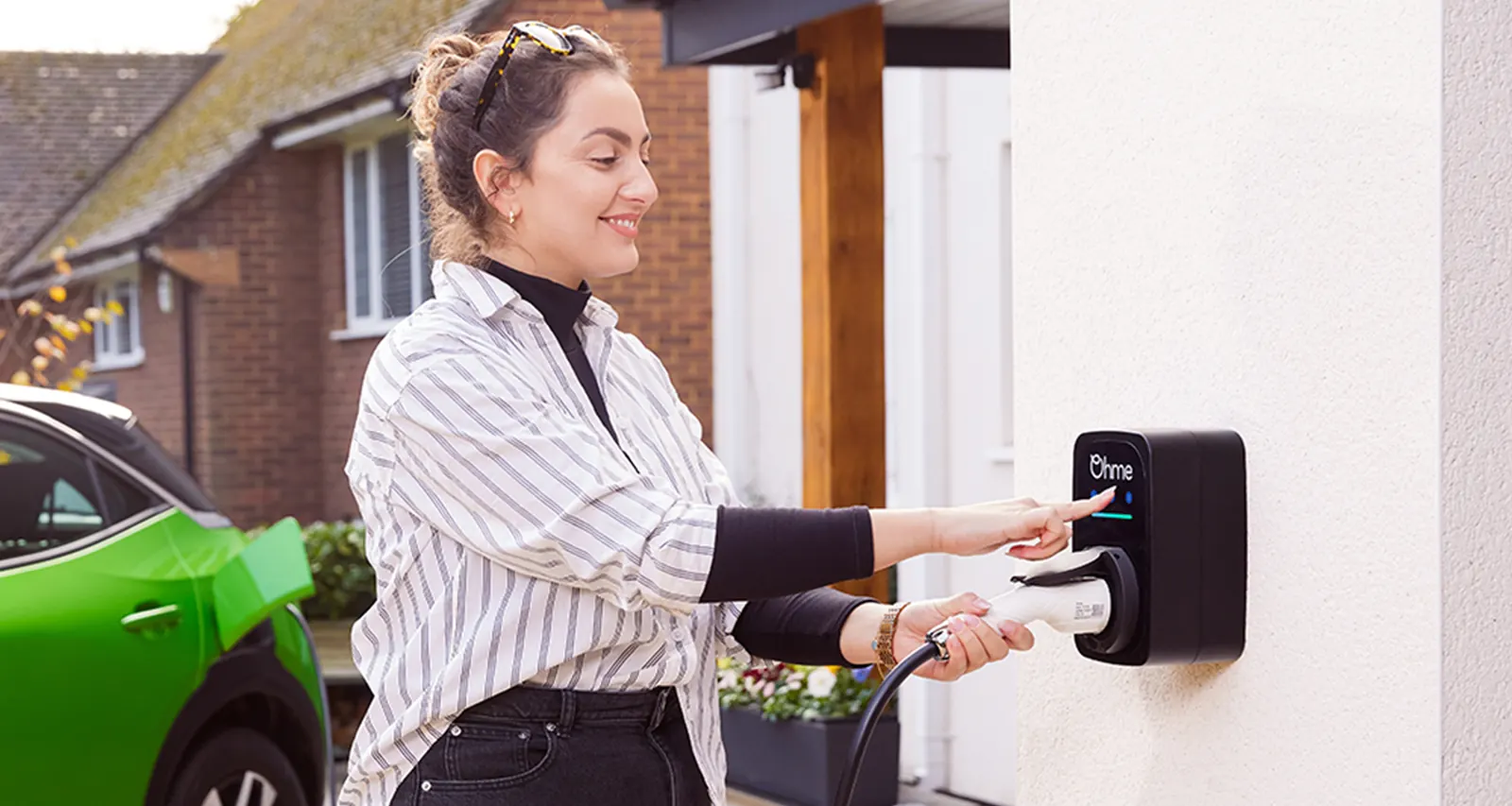
The cost case for an EV is made or broken at home. Around 75% of UK EV mileage is charged on a driveway, where an off-peak smart tariff runs at around 7p per kWh against 70 to 85p at a motorway rapid charger. Our home EV charging costs guide works through the pence-per-mile figures on the current tariffs.
Two things sweeten that arithmetic this autumn. From 1 October, VAT comes off domestic electricity until 31 March 2027, trimming every home-charged mile. And the chargepoint grant remains open.
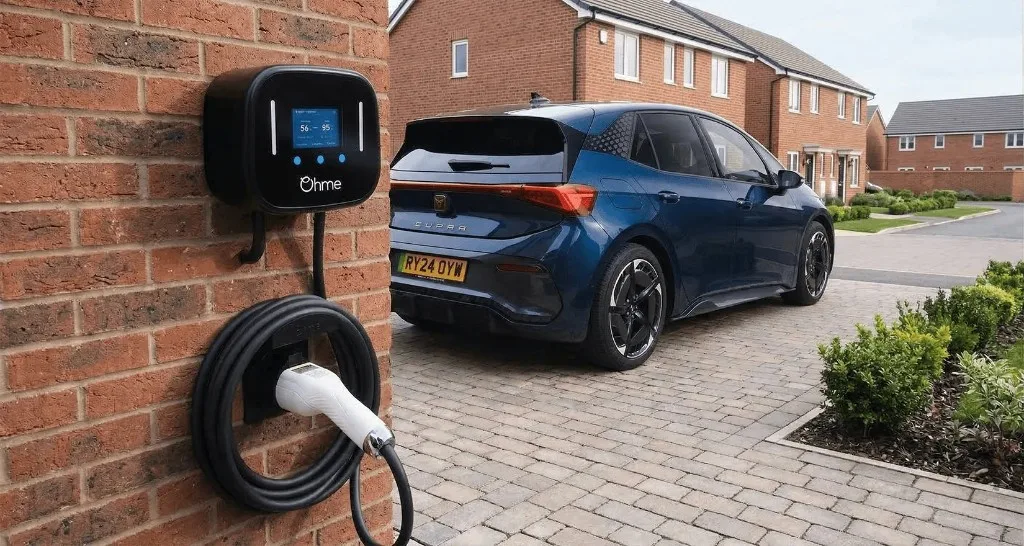
The £500 chargepoint grant runs to March 2027
The £500 EV chargepoint grant pays up to £500 or 75% of the installation cost, whichever is lower, and government funding is confirmed until 31 March 2027. Eligibility is specific, and worth getting right:
- Eligible: renters (private and social), owner-occupiers of flats with dedicated off-street parking, and landlords fitting chargers at residential rental properties.
- Not eligible: homeowners who own a house. That route closed in 2022 and has not returned.
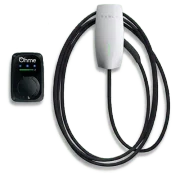
The charger must be on the government’s approved model list and fitted by an OZEV-authorised installer, per the published rules on gov.uk. You never claim the money yourself: UKEM is OZEV-authorised and applies on your behalf, deducting the grant straight from the invoice. The home EV charger guide covers the rest of the decision, from tethered versus untethered cables to what happens on install day.
A record August says the market has decided where it is going. If a new plate arrives on your driveway this September, quote-to-install on a home charger is around three days, and the fitting itself takes about half a day.
See more from UKEM in your Google results.

Frequently asked questions
Are electric cars now outselling petrol cars in the UK?
Not yet on the official count. SMMT figures for August 2026 put petrol (including mild hybrids) at 38.3% of registrations against 29.8% for battery electric cars. The direction is what stands out: petrol fell 3.5% year on year while battery electric grew 27.7%, and August was the ninth consecutive month of overall market growth. Year to date, 25.6% of new cars are fully electric, the highest share on record.
Can I still get a grant for a home EV charger?
Yes. The OZEV EV chargepoint grant pays up to £500 or 75% of the cost, whichever is lower, and funding is confirmed until 31 March 2027. It covers renters, owner-occupiers of flats with dedicated parking, and landlords fitting chargers at rental properties. Homeowners who own a house are not eligible; that route closed in 2022. The charger must be an approved model fitted by an OZEV-authorised installer, who handles the claim and deducts the grant from the invoice.
Is it cheaper to charge an EV at home or at public chargers?
Home wins by a wide margin. An off-peak smart tariff charges around 7p per kWh overnight, against roughly 70 to 85p at a motorway rapid charger, so a 60 kWh battery costs about £4 to fill at home versus £40 or more on the road. Around 75% of UK EV mileage is already charged at home. From 1 October 2026 home charging gets slightly cheaper still, because VAT comes off domestic electricity until 31 March 2027.
Will the 2030 petrol and diesel ban still happen?
The government's stated commitment to end sales of new pure petrol and diesel cars by 2030 stands, with all new cars and vans zero emission by 2035. What is under review is the trajectory: a consultation running to 23 October 2026 asks whether the annual ZEV mandate targets and their flexibilities should change, including options that would lower the 2030 target. Any changes would affect manufacturers' yearly quotas, not the phase-out commitment itself.
Last updated: