





From 28 May 2026, MCS 020 is the only certification scheme accepted for heat pump installations under England’s permitted development rules. The old “equivalent” route, which let installers use manufacturer noise data or a third-party acoustic assessment, closes that day. Every permitted-development install now needs a signed MCS 020 calculation on file.
For most homeowners this is a cleanup of the rules, not a barrier to a new install. The “equivalent” route was rarely used; large MCS-certified installers already work to MCS 020 by default, because it is the path that gets the BUS grant paid. With the UK now past 250,000 certified heat pump installations, the volume of installers running compliant surveys is already high. The impact lands on installs that relied on non-MCS acoustic methods, and on tight plots where the unit sits close to a neighbour.
What MCS 020 covers
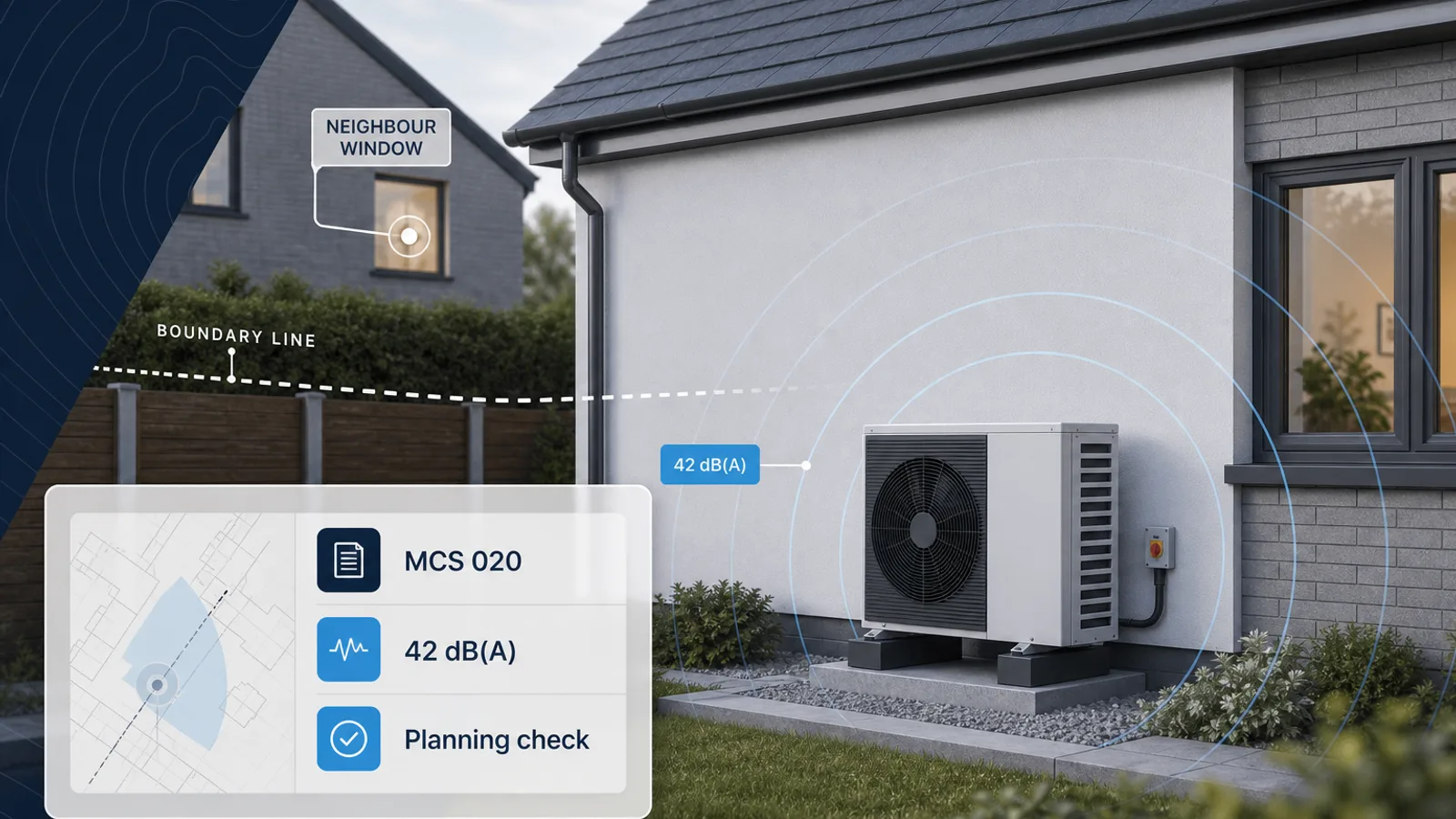
MCS 020 is the acoustic standard for air source heat pumps. The installer takes the manufacturer’s sound power figure, applies distance and barrier corrections, and produces a predicted sound pressure level at 1m from the centre of the nearest neighbour’s habitable room window. The ceiling is 42 dB(A). At or below, the install qualifies for permitted development. Above, it needs a full planning application.
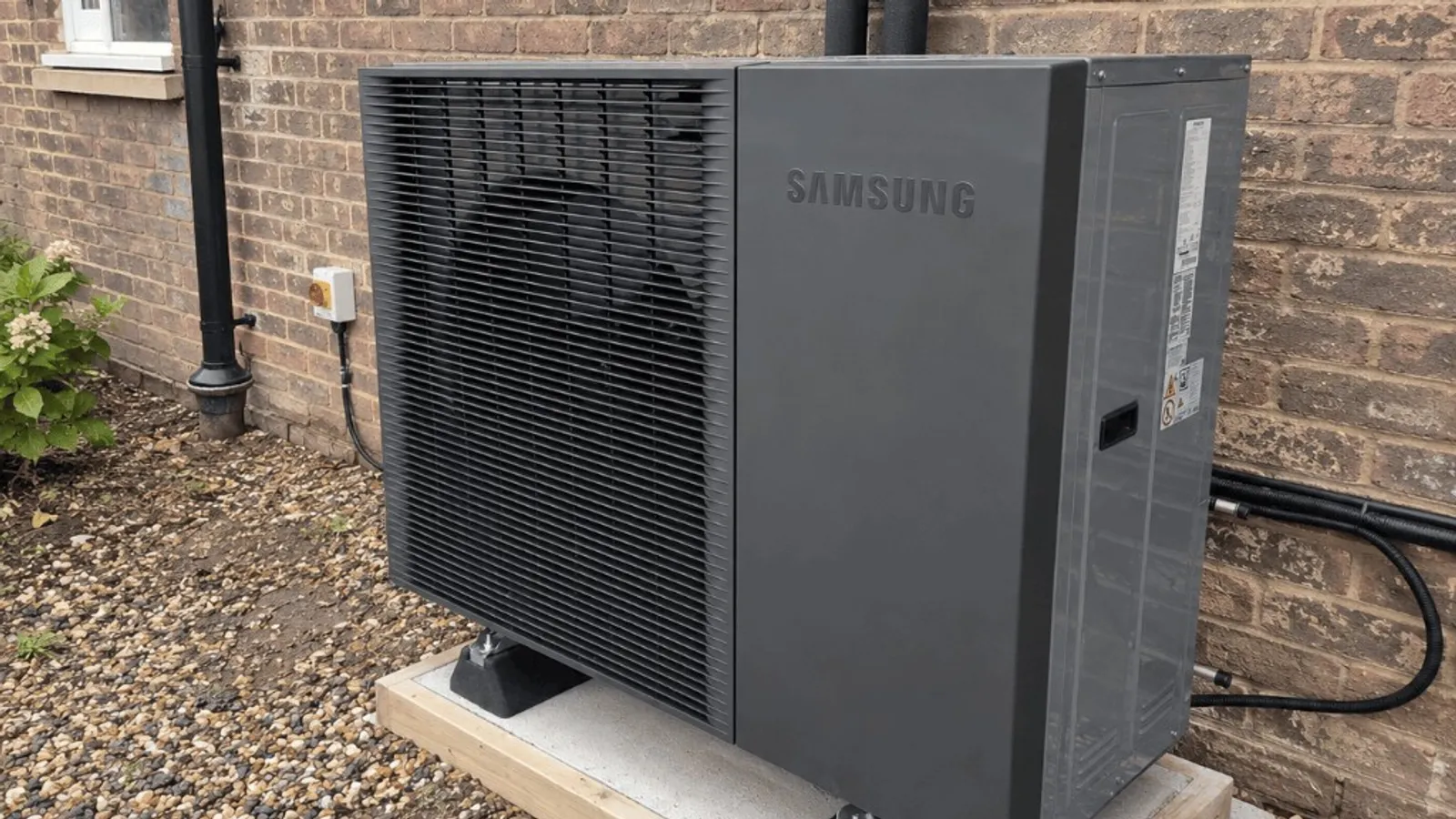
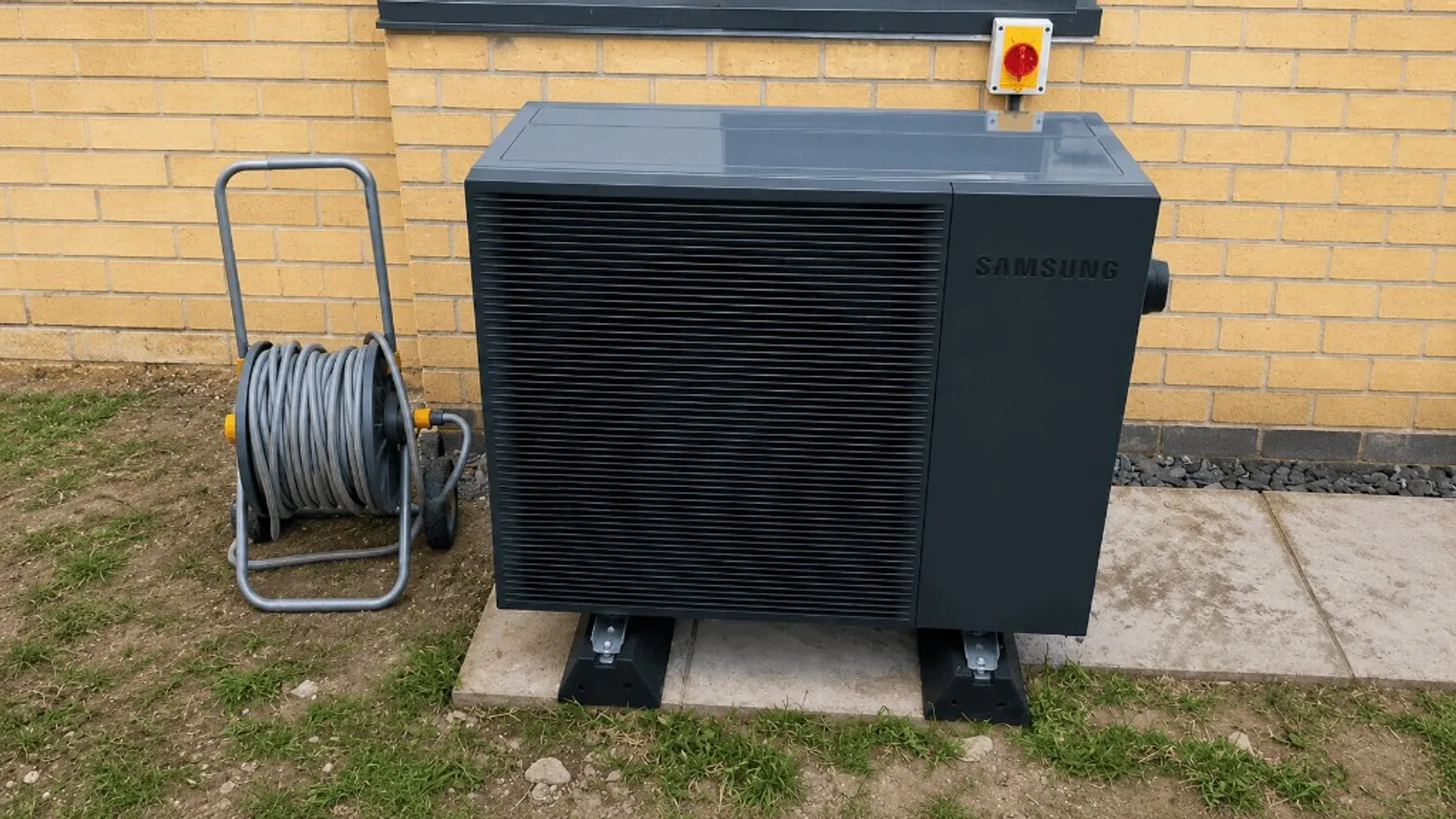
MCS 020 also covers siting: minimum distances to the boundary, allowances for solid fencing, and the rules for wall-mounted versus ground-mounted units. The MCS standards library holds the current document and the official calculator.
What changes on 28 May 2026
Until 28 May, England’s permitted development rules accept either MCS 020 or an “equivalent” approach (manufacturer-published noise data or a bespoke acoustic assessment from a qualified engineer, provided the outcome met the same 42 dB(A) ceiling). From 28 May, only MCS 020 counts. The Planning Portal’s MCS guidance is the primary published reference.
| Rule | Before 28 May 2026 | From 28 May 2026 |
|---|---|---|
| Accepted certification | MCS 020 or “equivalent” route | MCS 020 only |
| Acoustic ceiling | 42 dB(A) at 1m from neighbour | 42 dB(A) at 1m from neighbour |
| Installer requirement | MCS-certified for grants only | MCS-certified for grants and permitted development |
| Paperwork on file | MCS 020 form or equivalent | MCS 020 form (signed) |
| Fail outcome | Full planning application | Full planning application |
The acoustic ceiling and the siting rules do not change. The change is procedural: which document proves you have hit the ceiling.
The 42 dB(A) limit in real terms
42 dB(A) is quiet. A domestic fridge at 1m sits at around 40 to 45 dB(A); suburban daytime background is typically 45 to 55 dB(A). The MCS 020 ceiling is set below daytime background, which is why heat pumps in normal UK gardens rarely cause a complaint once installed correctly.
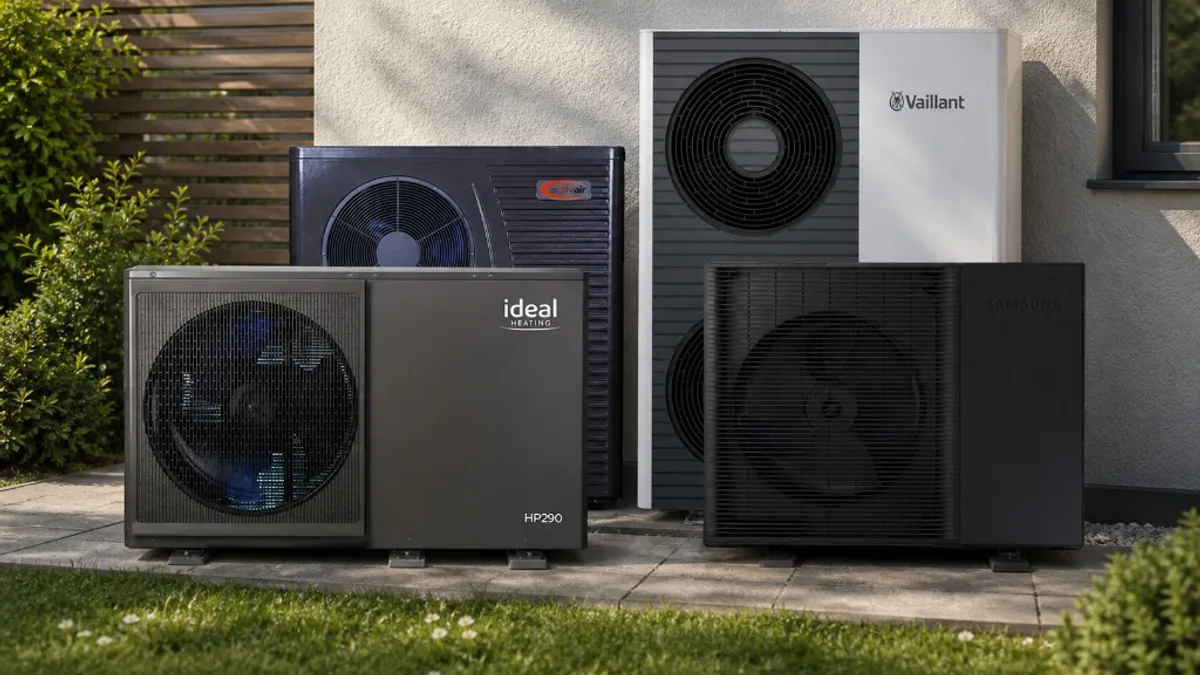
Fail cases tend to involve tight terraced gardens, semi-detached side returns close to a neighbour’s living room, or plinths within 2 to 3m of a habitable room window. A quieter R290 model from Samsung, Vaillant, or Ideal (sound power around 56 to 58 dB at full load) usually clears the ceiling; if not, the install needs planning or a different location.

The wider MCS Redeveloped Installer Scheme
Separate from the 28 May deadline, MCS is rolling out a broader overhaul through 2025 and 2026. The MCS Redeveloped Installer Scheme shifts the focus from quality-management-system paperwork to delivered quality on site: how the unit performs, whether it was commissioned correctly, and whether the homeowner has working cover years later.
The headline new requirement is a 6-year workmanship warranty. Certified installers must back every install with an Insurance-Backed Warranty (IWA) or an equivalent product that pays out on labour defects for six years after handover. That sits on top of the manufacturer’s product warranty (typically 5 to 10 years) and the standard installer guarantee. Labour has historically had the thinner cover, so this is a useful tightening.
What homeowners should ask their installer
Three questions cover most of it. Is the installer MCS-certified, and can they share their MCS number (checkable on the MCS certified installer directory)? Will they share the completed MCS 020 calculator before any equipment is ordered? And what 6-year workmanship cover sits in the handover pack alongside the manufacturer warranty and the commissioning report?
For most installs, none of this is new work; it just shifts from “good practice” to “required”. See our heat pump running costs guide and our comparison of heat pumps versus gas boilers, or head to the heat pumps product page or the grants hub when you are ready to price up an install. The Boiler Upgrade Scheme claim is filed by the installer on your behalf.
Frequently asked questions
Do I need planning permission for a heat pump from 28 May 2026?
In most cases, no. An air source heat pump installed under permitted development still avoids a planning application, provided the install passes MCS 020. The change on 28 May is that MCS 020 is now the only certification route accepted; the older 'equivalent' option (using manufacturer data or another acoustic method) closes. If the unit's location passes the 42 dB(A) test at 1m from the nearest neighbour's window, you are still under permitted development.
What is MCS 020 in plain terms?
MCS 020 is the acoustic standard for air source heat pumps. It sets out how the installer must calculate the predicted noise level at the nearest neighbour's habitable room, what allowances apply for fencing and barriers, and the 42 dB(A) ceiling at 1m from that window. The installer fills in an MCS 020 calculator before the install and keeps it on file. That paperwork is what proves your heat pump is under permitted development.
What happens if my install fails MCS 020?
You need a full planning application. In practice, most installers will site the unit or specify a quieter model to keep the install under 42 dB(A) at the boundary, because going through full planning adds 8 to 13 weeks and a fee. Models from Samsung, Vaillant, and Ideal publish sound power figures low enough to pass on almost any normal UK plot. The fail cases tend to be terraced gardens, very close boundary walls, or a unit pushed up against a neighbour's bedroom window.
Does this change my Boiler Upgrade Scheme grant?
No. The Boiler Upgrade Scheme has required an MCS-certified installer and MCS-listed equipment since launch. The 28 May change tightens the planning route, not the grant route. The published £7,500 cap still pays out the same way for eligible installs. See our 2026 UK energy grants guide for the full eligibility list.
What is the MCS Redeveloped Installer Scheme?
It is the broader overhaul MCS is rolling out across 2025 and 2026, separate from the MCS 020 deadline. The headline shift is from quality-management-system paperwork to delivered quality on site, plus a new 6-year workmanship warranty requirement. Certified installers must back the install with an Insurance-Backed Warranty (IWA) or an equivalent product. For homeowners, that means longer cover on the labour side of the install, on top of the manufacturer's product warranty.