




Frequently asked questions
How much does an EV charger cost to install?
Which charger is right for me?
How long does installation take?
What's included in the installation?
Do I need to tell my energy supplier?
Can I charge my car from solar panels?
What is the OZEV grant?
Will the charger work with my car?
Do you offer finance?
Where do you install?
How much can I save by charging at home vs public chargers?
The gap is significant. A typical off-peak EV tariff at home runs around 7-10p per kWh, while public rapid chargers usually sit between 30p and 79p per kWh. On a 60kWh battery, that's the difference between roughly £5 and £45 for a full charge. The UK now has more than 120,000 public chargepoints (Zapmap stats), but home charging stays the cheapest option for daily use. See our EV chargers hub.
Are there other EV charger grants beyond OZEV?
For most homeowners, the OZEV Chargepoint Grant of £500 is the main scheme available, and it's limited to renters, landlords, and flat owners (gov.uk OZEV). There's no nationwide alternative for private homes, though a few local councils run small top-up schemes. Businesses can apply separately under the Workplace Charging Scheme. Our grants guide covers the full landscape.
Can I get a charger on finance?
Yes. Most reputable installers offer finance so you can spread the cost over fixed monthly payments rather than paying upfront. Terms vary by lender, but plans are typically FCA-regulated with no deposit required and clear fixed repayments. Approval depends on your status and affordability checks. For full details on packages, options and what's included, see our EV chargers hub.
How long does the install actually take on the day?
Most home EV charger installations take around half a day on site, typically 3 to 4 hours. The job involves mounting the unit, running the cable back to your consumer unit, fitting a dedicated circuit with RCD protection, testing the system and issuing certification. Complex routes or consumer unit upgrades can push this longer. Your surveyor confirms the expected timing during the pre-install quote. More in our home charger guide.
What if my consumer unit is full or outdated?
It's a common issue in older homes. If your consumer unit doesn't have a free slot for the dedicated EV circuit, the installer can usually fit a separate isolator next to it. If the board itself is outdated or non-compliant with current wiring regs, a consumer unit upgrade may be needed before the charger goes in. Your surveyor confirms this during the quote so there are no surprises on the day. See the home charger guide.
Do I need off-street parking?
For a dedicated home charger, yes. The unit needs to be fitted to an external wall or post within cable reach of where the car parks, and the cable must stay on your property. Trailing a cable across a public pavement is not legal in most UK councils without specific consent, and many councils refuse permission outright. If you have no off-street parking, your best option is the growing public network. See our EV chargers hub.
Do I need DNO approval before installing?
For a standard 7.4kW home charger, no prior approval is needed. The installer submits a G98 notification to your Distribution Network Operator after the work is complete, which is a legal requirement they handle for you. Higher-power installations above 16A per phase (around 11kW and above) require a G99 application before work starts, and the DNO may need to assess your local supply. More detail in our home charger guide.
Can I install a charger if I rent?
Yes, with two conditions. You need written permission from your landlord, since the charger is a permanent fixture attached to the property. The good news for renters is that the OZEV Chargepoint Grant of £500 is specifically available to people in rented accommodation, which makes the installation much more affordable. See the gov.uk OZEV page and our grants guide for eligibility.
Tethered or untethered: which is better?
It comes down to convenience versus tidiness. A tethered charger has the cable permanently attached, so you just unhook it and plug straight into the car. An untethered (socket) charger gives you a neater wall-mounted unit, but you need to fetch and connect your own Type 2 cable each time. Tethered suits drivers who charge daily; untethered suits anyone who wants a cleaner look or might switch cars. See our home charger guide.
Do I need a smart charger?
Yes, and it's not optional. Under the UK Smart Charge Point Regulations, every new home or workplace charger sold or installed since 30 June 2022 must be smart by default. That means it has to support scheduled off-peak charging, randomised start delays to protect the grid, and remote firmware updates. The benefit is you can charge during cheap overnight tariff hours automatically. Our smart charging guide explains in detail.
Can I charge two EVs at home?
Yes, with options. The simplest is one charger used sequentially, plugging in each car overnight in turn. The more flexible setup is two chargers with load-balancing, which splits available power between both units so you don't exceed your incoming supply. Most UK homes have a 60-100A supply, which can comfortably support load-balanced dual charging. Your surveyor checks your supply during the quote. See our EV chargers hub.
Can I finance an EV charger install if I'm waiting for the OZEV grant?
Yes. If you qualify for the OZEV Chargepoint Grant, the £500 comes straight off your invoice at the point of install, and finance is arranged on the remaining balance. Worth knowing: most homeowners of houses don't qualify for OZEV, which is limited to renters, landlords and flat owners. Our grants guide covers eligibility, and our finance page has the full terms.
Will I need a deposit for charger finance?
Not usually. Most charger finance plans run with no deposit required, so the full cost spreads over fixed monthly payments. A deposit can sometimes lower your monthly figure if you'd prefer to put cash down, but it's optional rather than mandatory. Approval is subject to status and affordability checks. Full terms are on our finance page, alongside details for our EV chargers hub.
Will applying for charger finance affect my credit score?
The initial quote uses a soft credit search, which doesn't leave a footprint on your credit file and won't affect your score. Only once you accept the offer and proceed does the lender run a hard search to finalise the agreement. That means you can check what you'd be approved for without any risk to your credit. See our finance page for full details.
Can I pay off charger finance early?
Yes. Under FCA rules, you have the right to settle your finance agreement early at any time. The lender provides a settlement figure on request, which is the remaining balance with any applicable interest rebate applied. Some plans charge a small early settlement fee, but many don't. Always check your specific agreement before signing. Full terms are on our finance page.
Who provides the finance?
We work with FCA-authorised lenders who specialise in home improvement finance, including EV charger installations. As an Appointed Representative, we're regulated to offer finance on their behalf, with clear terms, fixed repayments and no hidden fees. Approval is subject to status and affordability checks carried out by the lender. The lender details are confirmed on your agreement. See our finance page.
Can I include solar with my charger on the same finance agreement?
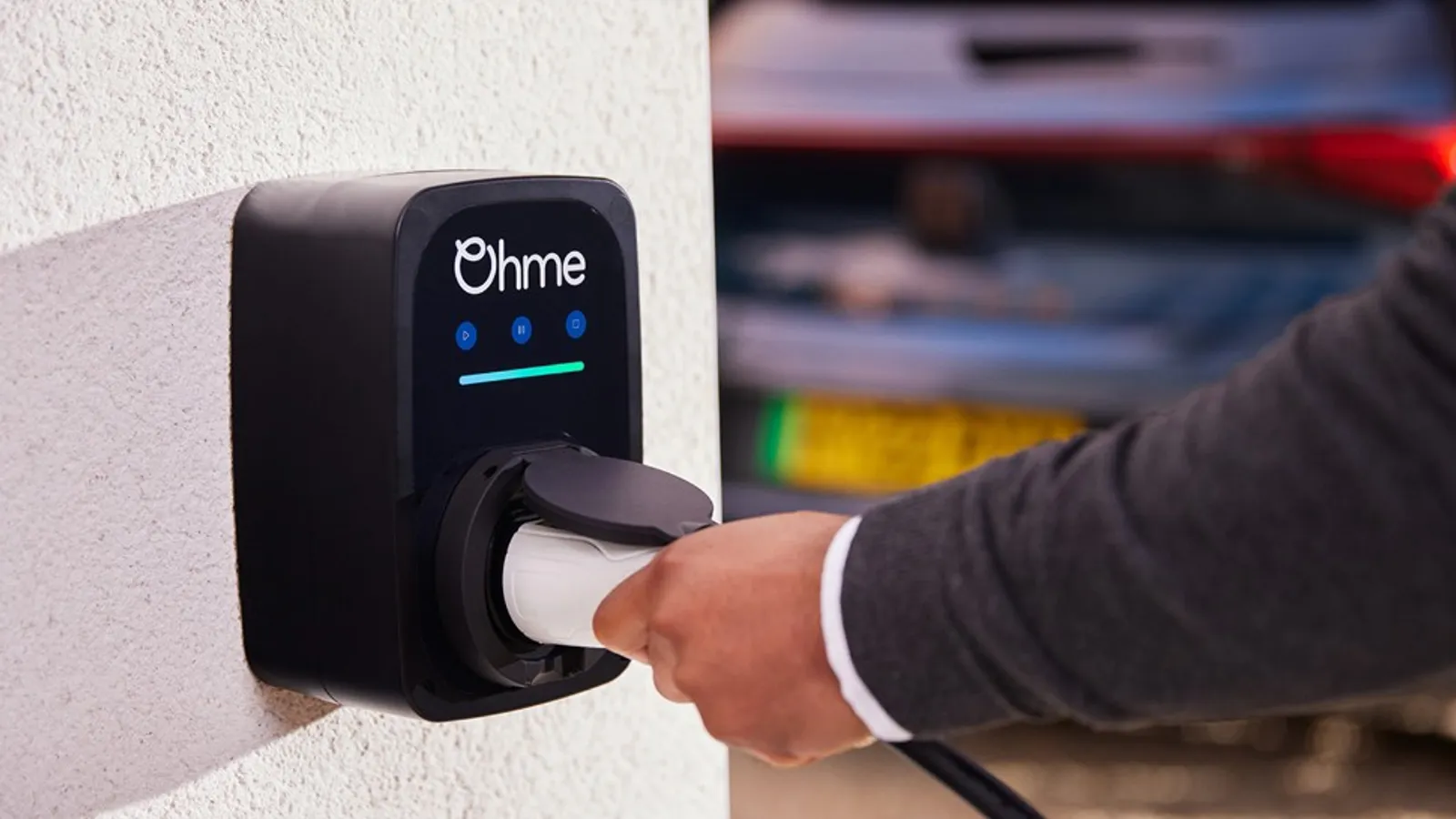
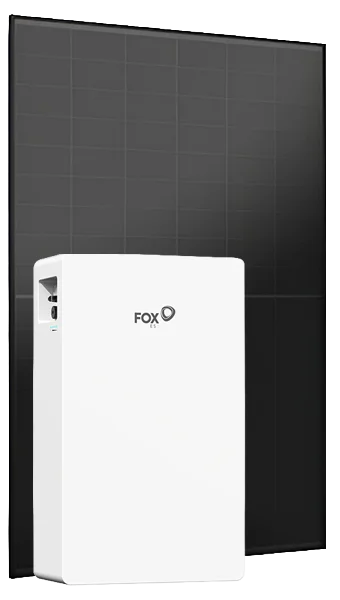
Yes. If you're installing solar alongside your EV charger, the combined cost can be spread over a single finance agreement rather than running two separate plans. Pairing the two makes sense as the Ohme chargers have a Solar Boost feature that diverts surplus solar straight to your car for free daytime charging. Our finance page covers the full setup, and the EV chargers hub explains the combined install.
Last updated: