








A smart EV charger paired with rooftop solar can push surplus generation into your car instead of exporting it cheaply to the grid. On a sunny UK summer day, a 4 kWp array often adds 20-40 miles of zero marginal cost range if the car is plugged in while the sun is high. Winter numbers are lower, but the same setup still trims import whenever generation outruns the house. You need compatible inverter data, a smart charger, and realistic expectations about when the car is actually connected.
At a glance
How solar EV charging works
Solar panels on your roof feed an inverter that exports AC to your consumer unit. The house loads take priority; anything left can export under SEG or flow to flexible loads. A smart charger monitors import/export at the meter (via CT clamp or inverter API) and raises charging power when export rises, lowering it when the house needs power.
The car never connects directly to panels. It always charges from the home supply; the charger software steers how much of that supply is solar-backed.
Summer vs winter output
| Season | 4 kWp daily generation (typical) | EV opportunity |
|---|---|---|
| Summer | 18-25 kWh | High if car plugged in midday |
| Shoulder | 10-15 kWh | Moderate |
| Winter | 4-8 kWh | Low unless battery stores midday surplus |
Generation varies by roof orientation and weather. South-facing arrays outperform east/west splits on total kWh but east/west can align better with morning and evening home use. The solar sizing guide covers orientation trade-offs.
Miles per kWh: realistic free range
Assume 3.5 miles per kWh vehicle efficiency (adjust for your model).
- 10 kWh of captured solar surplus ≈ 35 miles
- 15 kWh captured ≈ 52 miles
Those kWh might spread across the sunny window, not one hour. A 7.4 kW charger can absorb surplus faster than a 4 kWp array produces at midday, so the charger modulates down to match export. On smaller arrays, charging may sit below full power all afternoon, which is normal.
Ohme vs Tesla for solar integration
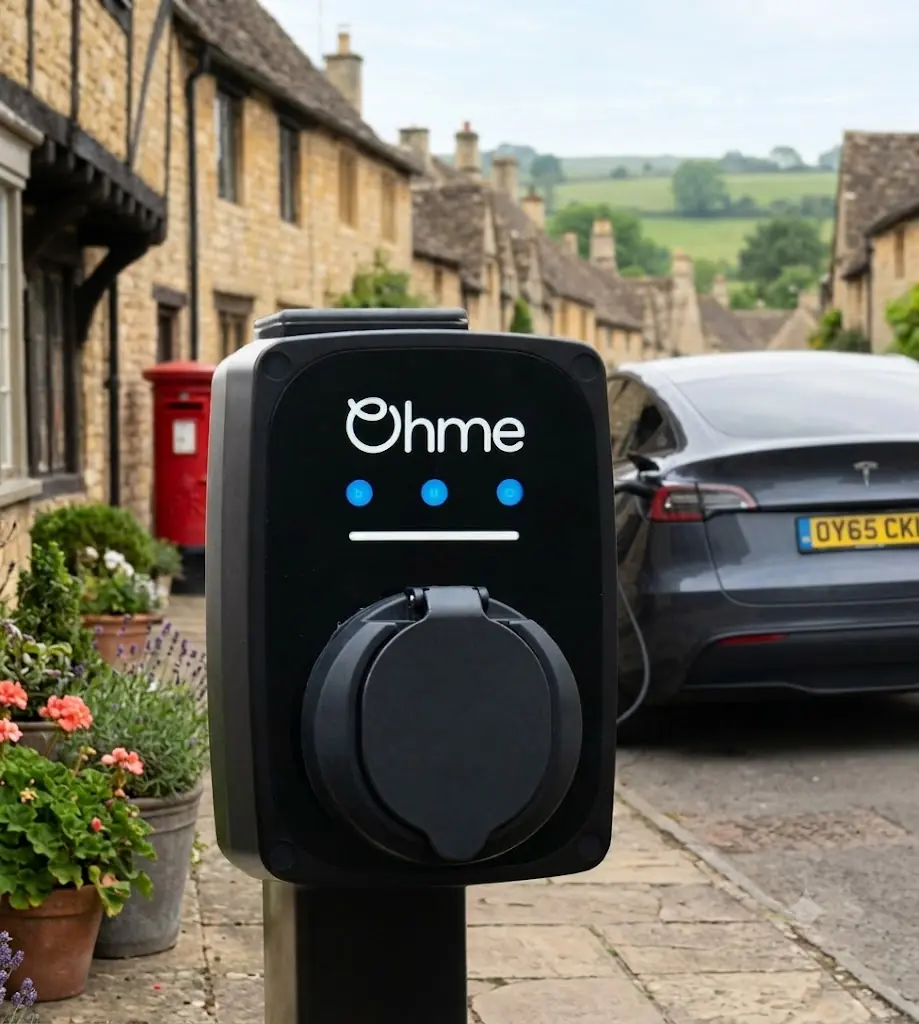
Ohme ePod / Home Pro use Solar Boost in the Ohme app: set a minimum charge target, then let solar top up beyond it. Tariff linking still handles overnight grid charging in the cheap window.
Tesla Wall Connector solar modes work best with Tesla Powerwall or Tesla solar inverter ecosystems; export following is tighter inside that stack.
Both approaches need correct clamp or data wiring at install. UKEM configures this during the half-day charger fitting described in the installation day guide.
Solar-only vs solar plus battery
| Setup | Best when |
|---|---|
| Solar + smart EV charger | Car often home in daylight; want lowest cost per added mile |
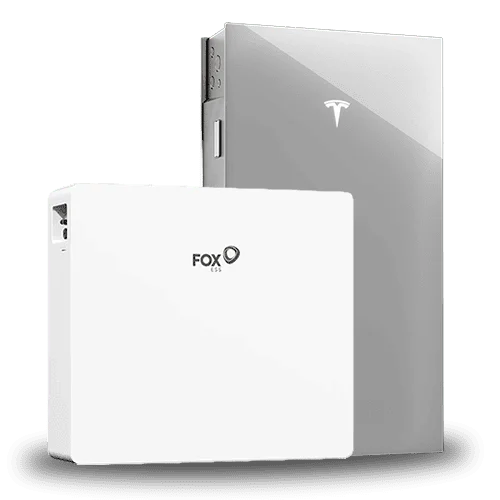
| Solar + battery | House empty in day; want evening import cut and EV top-up later |
| Solar + battery + EV | High evening load, heat pump, or multiple flexible loads |
A battery reduces SEG export and raises self-consumption from ~40% toward 70-80%. The car is another flexible load, but only when plugged in. If you commute and park elsewhere until 6 pm, midday surplus still exports unless a battery stores it.
Planning solar and an EV together
If an EV is on the horizon within two or three years, size solar against future kWh in the panel sizing guide. Adding 2,500-4,000 kWh annual demand for commuting is a common planning increment.
Installing solar and a charger in one project saves a second mobilisation. Quote to install is around one week for solar and battery together and around three days for a charger alone; combined scheduling is quoted case by case on the solar and battery page and EV chargers page.
SEG and the value of diverted kWh
Every kWh diverted to the car avoids exporting at roughly 3-16p and avoids importing later at 24-28p. The win is the import avoided, not the export payment forgone. The SEG guide explains export tariffs in full.
What to read next
- Smart EV charging explained for schedules, tariffs, and load management.
- Home EV charging costs for off-peak grid charging maths.
- How many solar panels do you need if you are sizing before both installs.
Frequently asked questions
Can I charge my electric car directly from solar panels?
Not without the right inverter and charger setup. Panels produce DC; your home and car use AC. A solar inverter exports AC to the house, and a smart EV charger detects surplus and increases charging while the array is generating. Ohme calls this Solar Boost; Tesla integrates via Wall Connector and Powerwall. The car charges from the home supply, prioritising solar when configured correctly.
How many free miles does solar add to an EV per day?
On a sunny summer day, a 4 kWp array might produce 20-25 kWh. If the house uses 5-10 kWh and the charger captures 10-15 kWh of surplus, an efficient EV at 3.5 miles per kWh gains roughly 35-50 miles at zero marginal cost. In winter, surplus is smaller; expect fewer free miles unless you also store in a battery.
Do I need a battery to charge an EV from solar?
No, but it helps. Without a battery, surplus only goes to the car when it is plugged in during daylight. With storage, daytime solar can fill the battery first, then support evening charging. Many commuters plug in after work, so a battery or aggressive daytime scheduling both improve capture. See is battery storage worth it.
Which EV chargers work with solar in the UK?
UKEM installs Ohme ePod and Ohme Home Pro with Solar Boost, and Tesla Wall Connector with Powerwall solar integration. All new home chargers must be smart under UK law. Pairing with a clamp or inverter data feed is configured at install.
Is solar EV charging better than a home battery?
They solve different problems. Solar EV charging is cheaper to add if you already have an EV and array; it captures surplus when the car is home in the day. A battery captures surplus regardless of whether the car is plugged in and supports evening loads. Many homes eventually run both. The home charging costs guide compares pence per mile on grid vs solar.
Last updated: